Born
2007
No user ratings available yet
Representation score: 3.3 out of 10
Representation Score
Limited
1974
RDirector
Ovidio G. Assonitis
Runtime
109 minutes
Average Rating
No ratings yetNew Showbiz Analysis
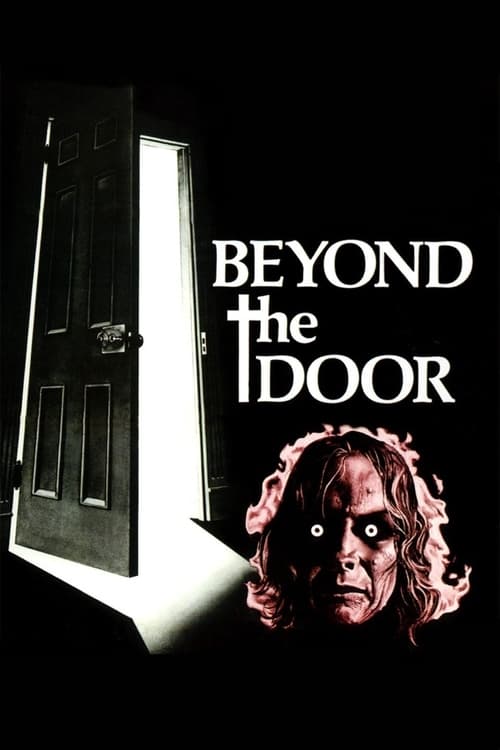
Beyond the Door is a typical 1970s horror film that adheres to the social and cinematic norms of its time. It emphasizes traditional family structures and religious morality over diverse representation. The narrative centers on a female protagonist but often portrays her as vulnerable due to biological and psychological factors, reinforcing traditional gendered spaces rather than providing structural dominance. Ultimately, the film offers a standard exploration of supernatural dread. It does not aim to disrupt conventional expectations or provide meaningful representation of diverse identities.
Category Breakdown
The film does not include any LGBTQ+ characters or explore non-straight identities. The main storyline revolves around a traditional family setup.
Despite featuring a strong female lead, the story often depicts her as vulnerable due to pregnancy and supernatural threats, which limits her control over the narrative.
The cast appears predominantly white, typical of the 1970s. There is no indication of diverse casting or racial dynamics in the film.
The story explores religious and occult themes, using demonic possession to reinforce singular moral or spiritual binaries.
Mental instability is used primarily as a horror element, lacking nuanced portrayals of neurodivergence or character's ability to drive the story.
Present on Screen
Limited or Absent
Official Synopsis
Jessica Barrett, wife and mother of two young children, begins to show signs of demonic possession while pregnant with her third child. As she seeks help from her husband and doctor, a mysterious man approaches her and seems to have some answers.
2007
1977
1983
1961
1979
1973
1975
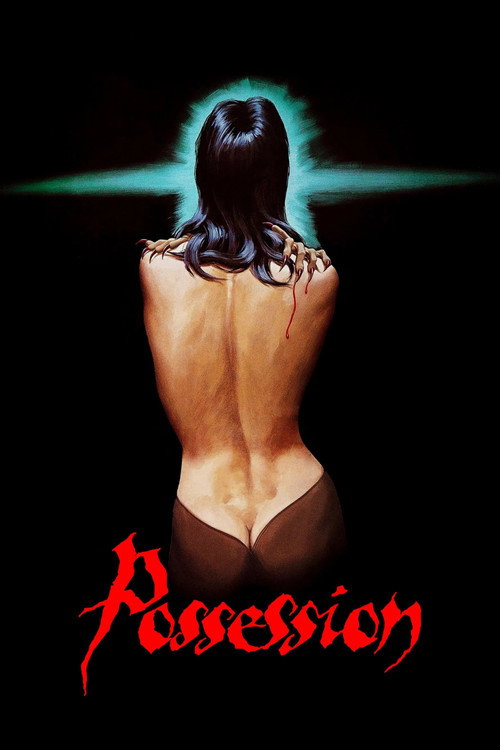
1981
No reviews yet. Be the first to share your thoughts on this movie!
Use the rating form above to leave a star rating and optional review.