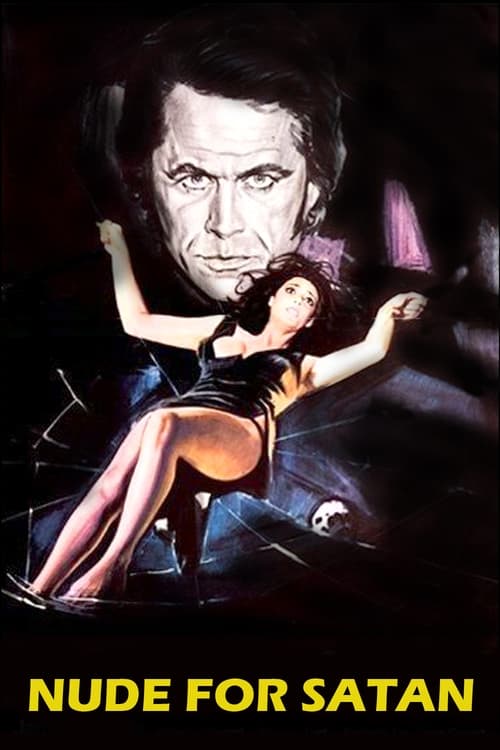
Nude for Satan
1974
No user ratings available yet
Representation score: 3.9 out of 10
Representation Score
Fair
1982
Not RatedDirector
Mario Bianchi
Runtime
75 minutes
Average Rating
No ratings yetNew Showbiz Analysis
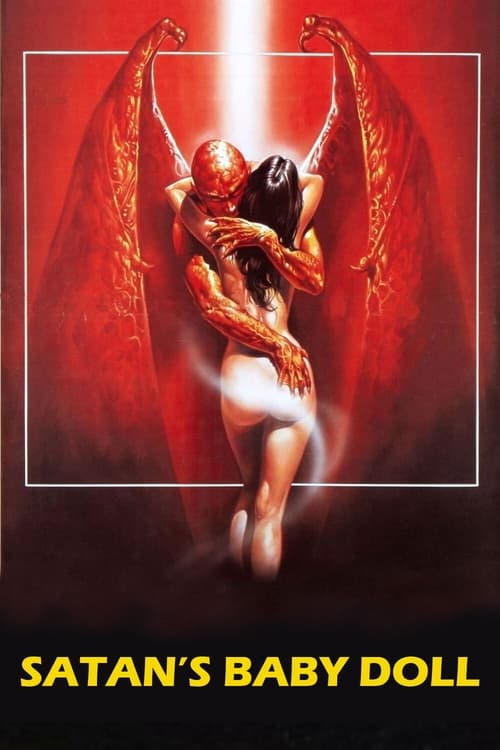
Satan's Baby Doll is a traditional gothic horror film that sticks closely to the genre's established clichés and supernatural themes. It does not explore social issues or diverse perspectives. The film is set in a homogeneous European context, lacking diversity in both ethnicity and race. It does not challenge the status quo or offer a multi-ethnic viewpoint. While the film features characters with disabilities, their portrayal can be problematic. Female characters are largely reactive and lack significant power, and there is no representation of LGBTQ+ identities.
Category Breakdown
The film does not include explicit representations of LGBTQ+ identities or non-straight relationships. The story focuses on the troubled marriage between Antonio and Maria, without delving into any queer subtext.
Women such as Maria, Miria, and Sol play mostly reactive roles. Antonio, who behaves as a bully, maintains a dominant patriarchal position, while the women have little control over their own lives.
The setting and character names suggest a uniform European environment. There is no indication of a diverse cast or non-white characters.
The story relies on traditional Christian themes, including exorcisms and Satanic elements. It operates within a singular religious framework without challenging Western institutions.
Ignazio, a mute character who uses a wheelchair, is portrayed as a voyeuristic observer. His role risks framing his disability through a predatory lens rather than giving him real power.
Present on Screen
Limited or Absent
Official Synopsis
In the crypt of the remote castle of the Aguilars lies the recently-deceased body of Maria. Her husband Antonio is a jealous bully, his mute brother Ignazio is in a wheelchair peeping on his caretaker Sol, a novice. Also present are Miria, the couple's virginal daughter, and Isidro, a factotum who fears Satan's power. A frequent visitor is Juan Suarez, a doctor who wants Miria in a sanatorium for a month. She doesn't want to go. Isidro tries to exorcize the castle's evil spirits. Bodies pile up. Is Miria's mother truly dead, and who is Satan's tool?
1974

1966
1973
1964
1979
1978
1988
1974
No reviews yet. Be the first to share your thoughts on this movie!
Use the rating form above to leave a star rating and optional review.