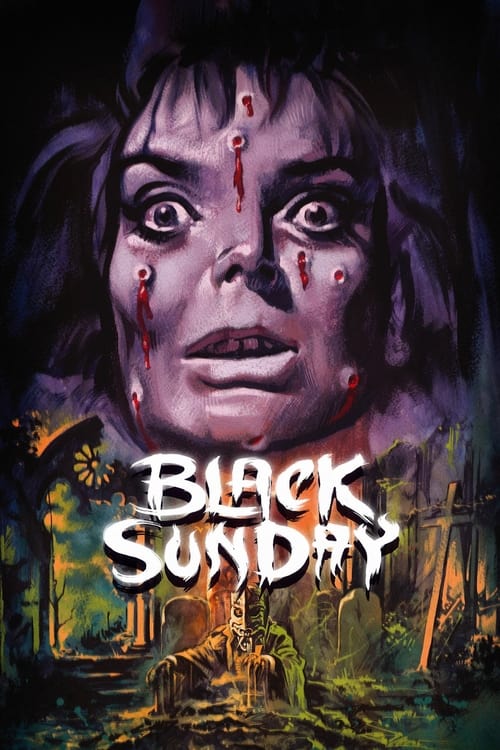
Black Sunday
1960
No user ratings available yet
Representation score: 5.4 out of 10
Representation Score
Limited
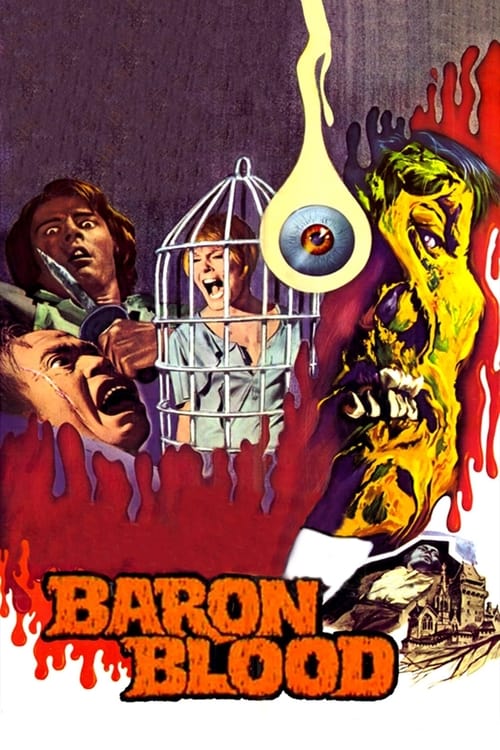
1972
PGDirector
Mario Bava
Runtime
98 minutes
Average Rating
No ratings yetNew Showbiz Analysis
Mario Bava’s film excels in creating atmospheric Gothic horror that emphasizes aesthetic form over social critique. The narrative heavily relies on established genre conventions, such as the predatory male antagonist and the passive female victim. Given the period-specific European setting, the cast remains homogeneous. The film does not aim to deconstruct systemic power structures or introduce diverse identities, preserving classical horror clichés.
Category Breakdown
The film strictly follows the assumption that everyone is straight or cisgender, typical of Gothic horror. There are no representations of non-binary gender identities or same-sex relationships.
Female characters frequently play passive roles, often as victims needing rescue. The film relies on traditional gender roles without challenging gender hierarchies.
The casting is predominantly white and uniform, reflecting the 19th-century European setting. Characters of color have little presence or influence in the story.
The story centers on ancestral curses and declining noble families. It reinforces traditional Gothic themes without critiquing Western institutions or secularism.
There are no meaningful or empowered portrayals of physical or neurodivergent disabilities. Physical suffering is used primarily as an aesthetic element of the horror.
Present on Screen
Limited or Absent
Official Synopsis
A young man, Peter, returns to Austria in search of his heritage. There he visits the castle of an ancestor, a sadistic Baron who was cursed to a violent death by a witch whom the Baron had burned at the stake. Peter reads aloud the incantation that causes Baron Blood to return and continue his murderous tortures.
1960
1964
1971

1972

1981

1963
1971
1966
No reviews yet. Be the first to share your thoughts on this movie!
Use the rating form above to leave a star rating and optional review.