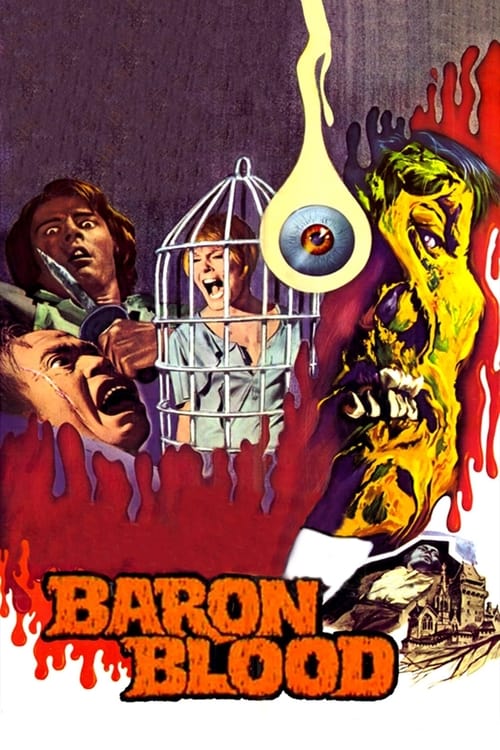
Baron Blood
1972
No user ratings available yet
Representation score: 2.7 out of 10
Representation Score
Fair
1960
NRDirector
Mario Bava
Runtime
86 minutes
Average Rating
No ratings yetNew Showbiz Analysis
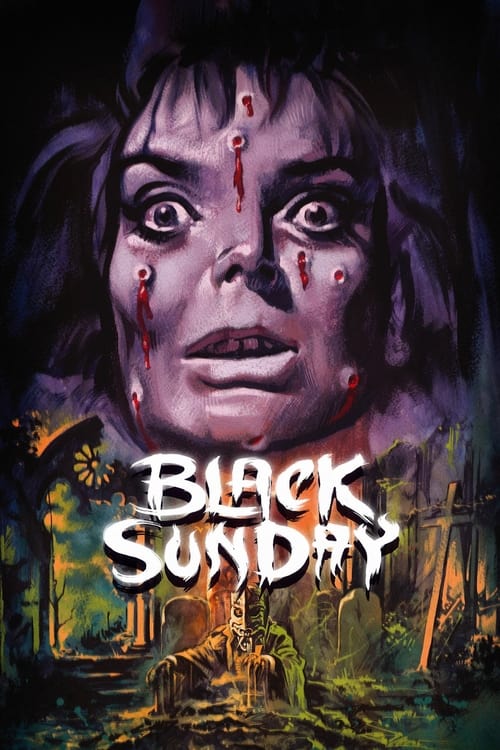
Black Sunday is a period-specific Gothic horror that prioritizes atmospheric tension and female-driven narratives over modern demographic variety. Its primary strength lies in its subversion of patriarchal authority, centering the plot on a cycle of female vengeance rather than traditional male heroism. However, the film remains limited by the social and production constraints of 1960s Italy. It lacks racial and LGBTQ+ diversity, and its treatment of disability relies on established genre clichés rather than character depth. Ultimately, the film offers a sophisticated critique of institutionalized religious power, even if it does not meet contemporary standards for inclusive representation.
Category Breakdown
The film follows conventions that assume everyone is straight or cisgender, typical of 1960s Gothic horror. There is no depiction of same-sex relationships or non-cisgender gender identities.
The narrative centers on women's ability to drive the story, challenging patriarchal structures. A male doctor serves as the main character, but the story is driven by female-led witches.
The cast is ethnically uniform, reflecting the historical context of a 1960s Italian production. It does not include diverse ethnic representation or actors from different backgrounds.
The film critiques institutional authority by portraying religious institutions as architects of past violence. This introduces moral relativism through the witches' quest for revenge.
Characters with physical impairments, such as the servant Igor, are used primarily as Gothic clichés. They serve as atmospheric devices rather than nuanced portrayals of independent identity.
Present on Screen
Limited or Absent
Official Synopsis
A vengeful witch, Asa Vajda, and her fiendish servant, Igor Jauvitch, return from the grave and begin a bloody campaign to possess the body of the witch's beautiful look-alike descendant: Katia. Only a handsome doctor with the help of family members stand in her way.
1972
1964
1973

1966
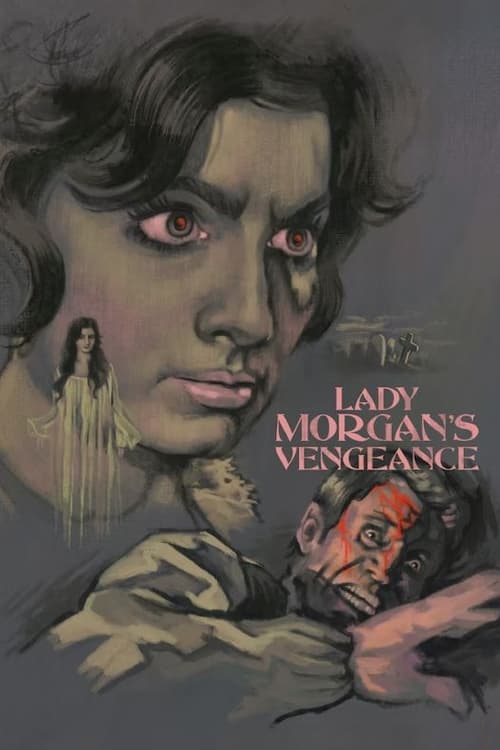
1965
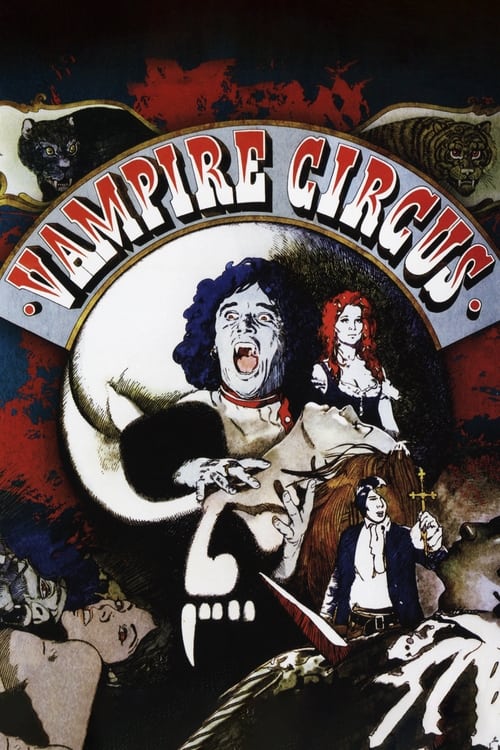
1972
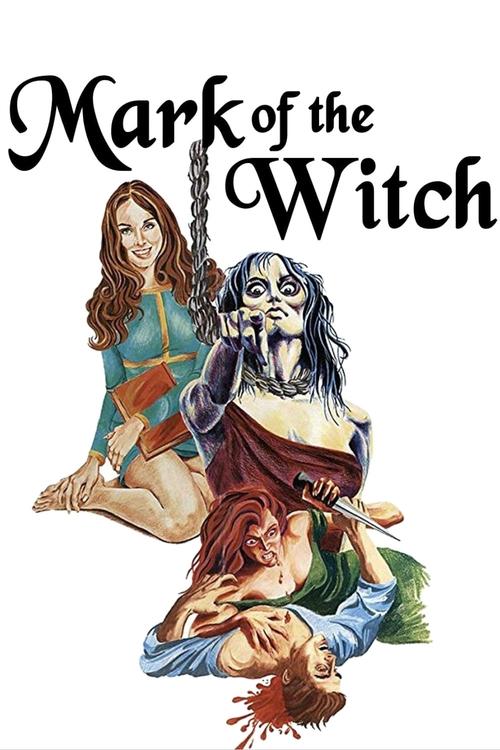
1970
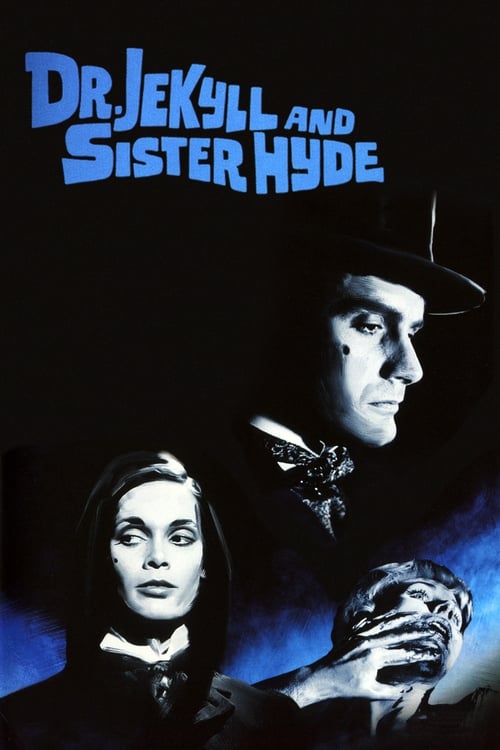
1971
No reviews yet. Be the first to share your thoughts on this movie!
Use the rating form above to leave a star rating and optional review.