
Kill, Baby... Kill!
1966
No user ratings available yet
Representation score: 2.5 out of 10
Representation Score
Minimal
1977
RDirector
Mario Bava, Lamberto Bava
Runtime
95 minutes
Average Rating
No ratings yetNew Showbiz Analysis
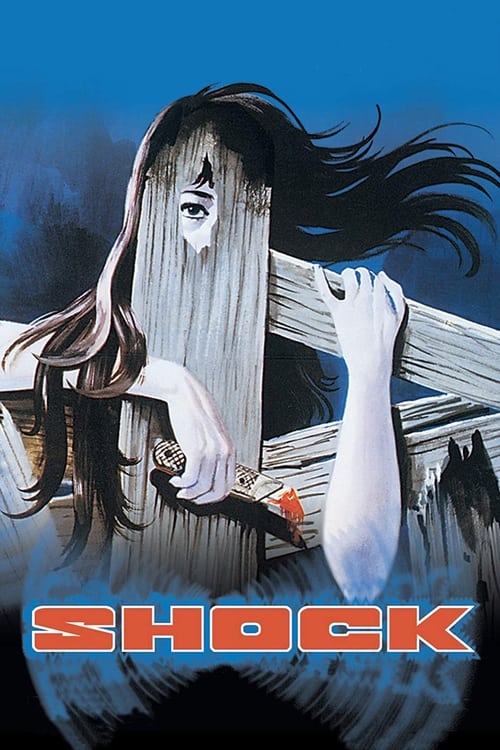
Mario Bava’s *Shock* is a stylistic exercise in psychological horror that prioritizes aesthetic expressionism over social commentary. The film adheres strictly to the established clichés of the *giallo* tradition, limiting its engagement with diverse identities or systemic critiques. While the film centers on a female lead, it does so through a lens of psychological fragmentation rather than empowerment. The narrative remains insulated from broader cultural or political themes, focusing instead on the mechanics of suspense and the blurring of reality. Ultimately, the film's lack of representational depth is a byproduct of its genre focus. It functions as a vacuum of social engagement, prioritizing the terror of the individual over the exploration of diverse human experiences.
Category Breakdown
The film does not include any LGBTQ+ characters or narratives. Relationships and interpersonal dynamics remain within the realm of straight relationships.
Alice serves as the main character, but her role is limited by the 'hysterical woman' stereotype. The film emphasizes her distress as psychological instability, which restricts her influence over the story.
The casting is predominantly uniform, reflecting the social context of 1970s European genre cinema. The story lacks racial or ethnic diversity among its primary cast.
The story avoids engaging with religious institutions, family structures, or systemic power dynamics. It focuses on individual perception rather than broader social or political issues.
Mental instability is used primarily as a plot device to create suspense. The portrayal of the protagonist's mental state leans toward the unreliable narrator cliché rather than meaningful neurodivergent representation.
Present on Screen
Limited or Absent
Official Synopsis
A couple is terrorized in their new house haunted by the vengeful ghost of the woman's former husband who possesses her young son.
1966
1960

1981

1976
1974
1961
1972
1988
No reviews yet. Be the first to share your thoughts on this movie!
Use the rating form above to leave a star rating and optional review.