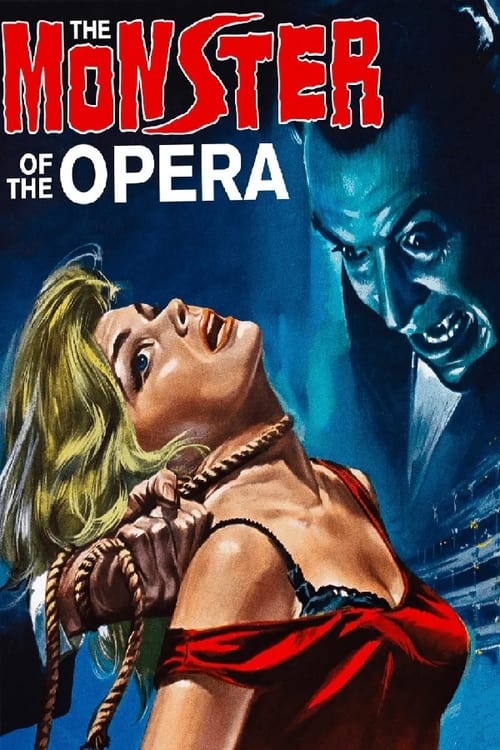
The Monster of the Opera
1964
No user ratings available yet
Diversity score: 2.4 out of 10
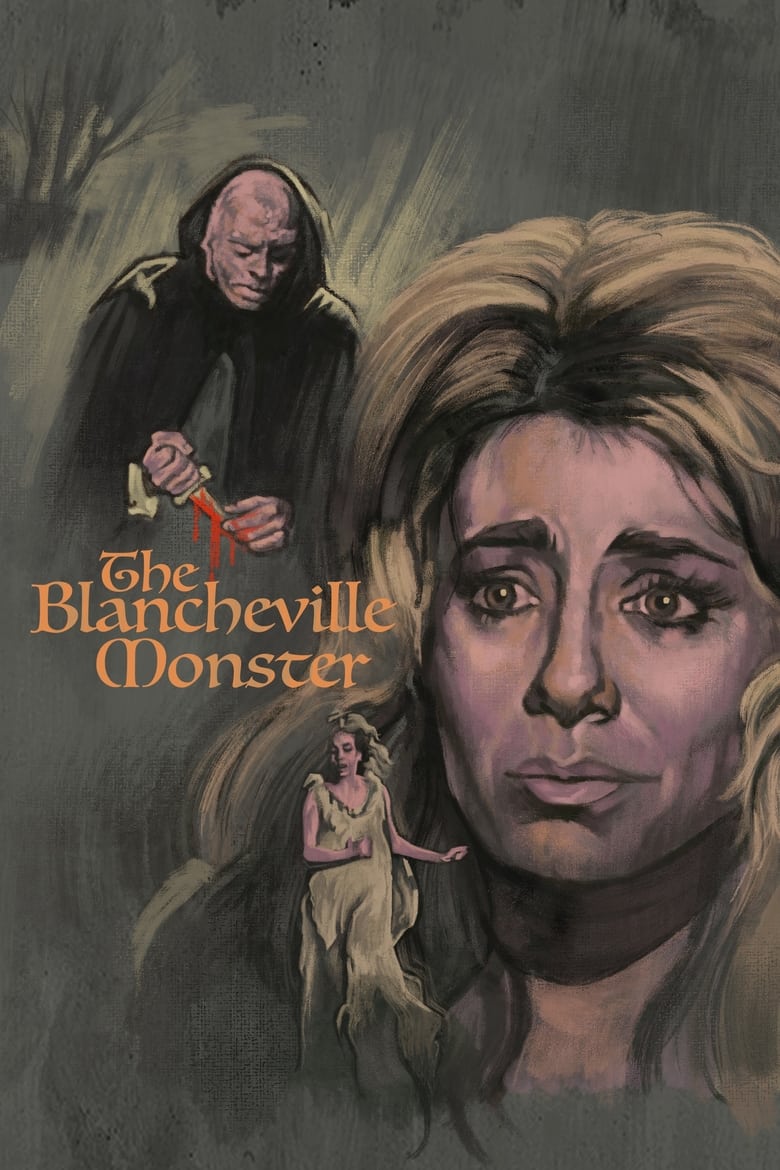
1963
UnratedDirector
Alberto De Martino
Runtime
87 minutes
Average Rating
No ratings yetSynopsis
The beautiful young daughter of a crazed count fears that she will fall victim to the family curse - to be sacrificed to fulfill an ancient family legend.
Overall Score
Limited
Category Breakdown
LGBTQ+ Representation
The film adheres to strict heteronormative frameworks. There is no presence of non-cisnormative identities or same-sex intimacy.
Gender Representation
The narrative relies on traditional gender hierarchies. While Barbara Steele provides atmospheric agency, the female lead often remains a vulnerable subject to male-driven plot catalysts.
Racial & Ethnic Diversity
The cast and setting are ethnically homogeneous. The film focuses on a localized, Anglo-European social stratum without diverse casting.
Religious & Cultural Diversity
The story is rooted in Western Gothicism and aristocratic lineage. It explores superstition and family curses within a closed-system social structure.
Disability Representation
Physical deformity is used as a traditional horror device. These depictions serve as plot mechanisms for suspense rather than character-driven explorations of disability.
Strengths
Areas for Improvement
AI Analysis
The Blancheville Monster is a quintessential mid-century Gothic horror that prioritizes atmospheric dread over social subversion. Its narrative architecture is built upon established archetypes that reinforce, rather than challenge, the status quo of its era. Representation is limited by the genre's reliance on traditional tropes. The film functions within a narrow social and gendered framework, focusing on ancestral curses and class-based horror within a homogeneous European setting. Ultimately, the film serves as a period-accurate example of genre cinema where identity is secondary to the fulfillment of Gothic suspense and the maintenance of existing social hierarchies.
1964
1973
1972
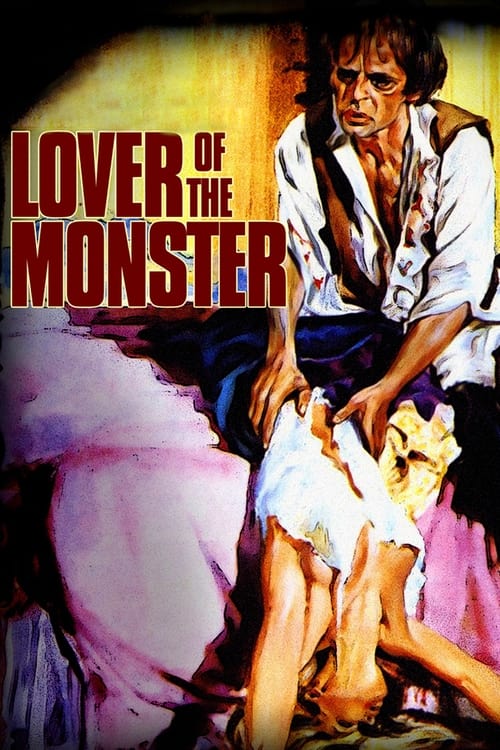
1974
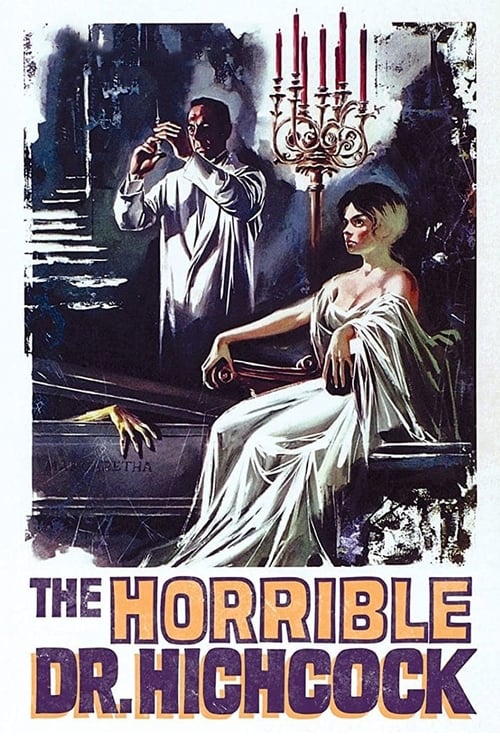
1962
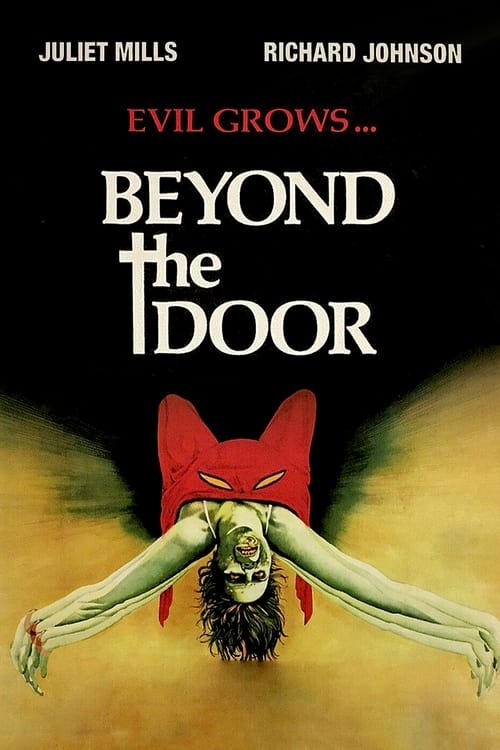
1974
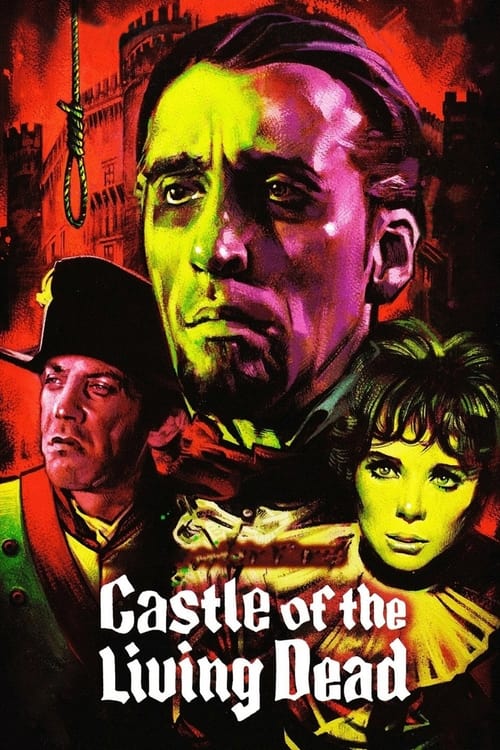
1964
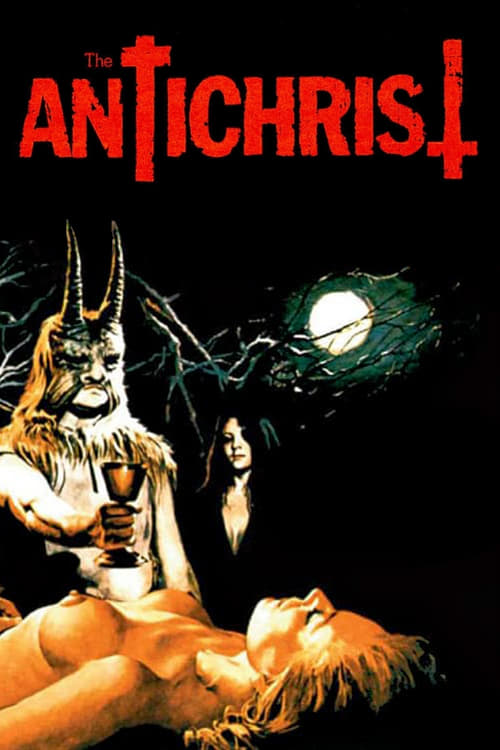
1974
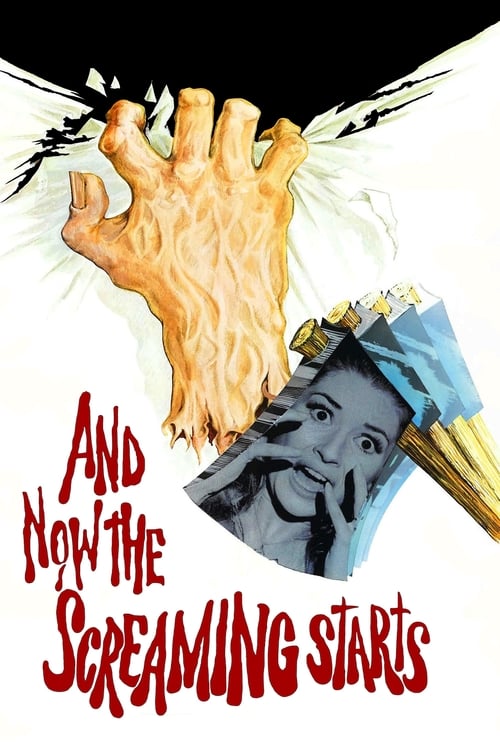
1973

1973
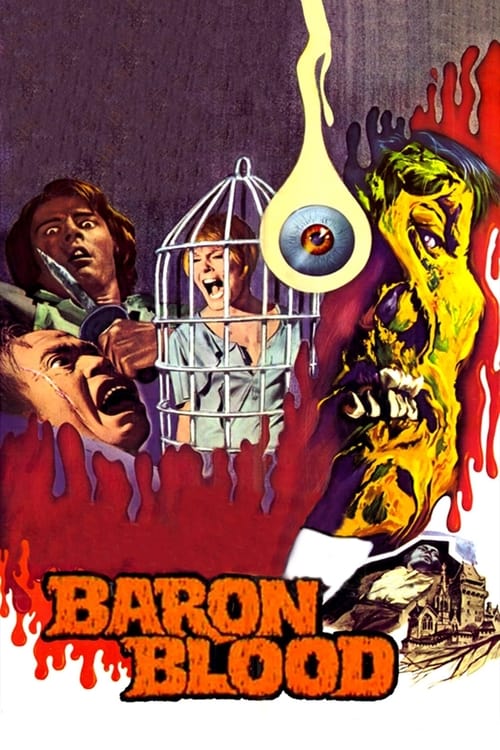
1972
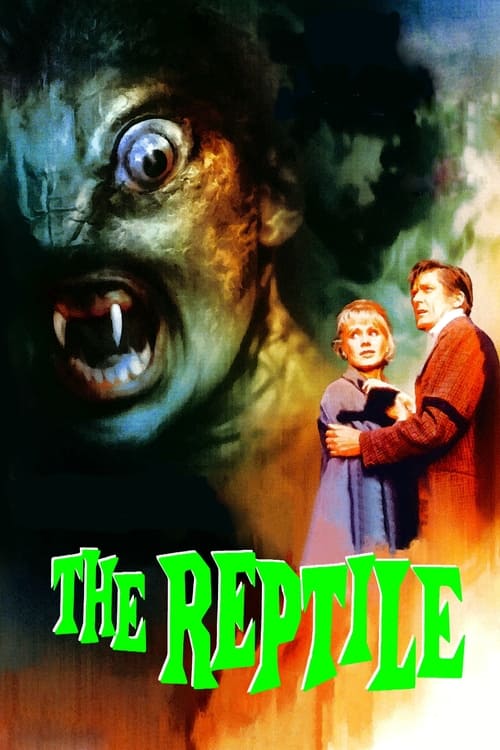
1966
No reviews yet. Be the first to share your thoughts on this movie!
Use the rating form above to leave a star rating and optional review.