The South Sea Wolf
1961
No user ratings available yet
Representation score: 2.0 out of 10
Representation Score
Fair
1966
Director
Yasuharu Hasebe
Runtime
87 minutes
Average Rating
No ratings yetNew Showbiz Analysis
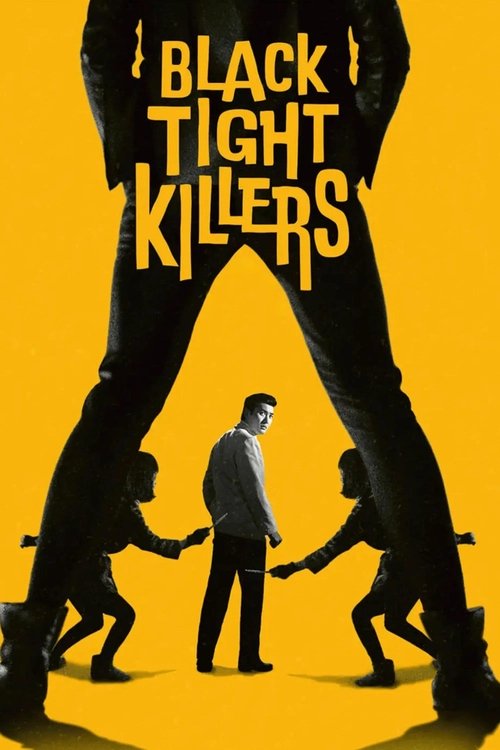
Black Tight Killers is a genre-driven action film that challenges 1960s gender norms by portraying women as lethal, autonomous fighters. However, the film remains limited by a lack of multi-layered depth. It relies on traditional romantic dynamics and adventure clichés, offering little in the way of LGBTQ+ representation or systemic cultural critique. Ultimately, the film provides a stylized internationalized action experience, featuring a more diverse geopolitical landscape compared to many domestic dramas of its time.
Category Breakdown
The film doesn't include any explicit LGBTQ+ characters or relationships. It focuses on a traditional romance and protection dynamic between the male lead and the female stewardess.
Female ninjas are portrayed as highly skilled, lethal, and autonomous fighters. This challenges the 1960s stereotype of women as passive or domestic figures.
The film presents a multi-ethnic setting through interactions between Japanese characters and international treasure hunters. This creates a globalized conflict rather than a purely domestic one.
The story delves into post-war trauma and the search for WWII-era treasure. While it touches on colonial-era greed, it leans heavily into traditional adventure clichés.
The film does not feature any characters with physical or neurodivergent disabilities.
Present on Screen
Limited or Absent
Official Synopsis
Daisuke Honda, a war photographer in Vietnam, meets Yuriko Sawanouchi, a stewardess on his plane back to Japan. After drinking with her at a Tokyo bar, he becomes involved in saving Yuriko from assassination by stylish, female ninjas. When trying to rescue Yuriko from kidnappers, Daisuke discovers a group of foreigners are hunting for a WWII-era treasure hidden on an island by Yuriko's father.
1961
1974
1982

1967

1970
1969
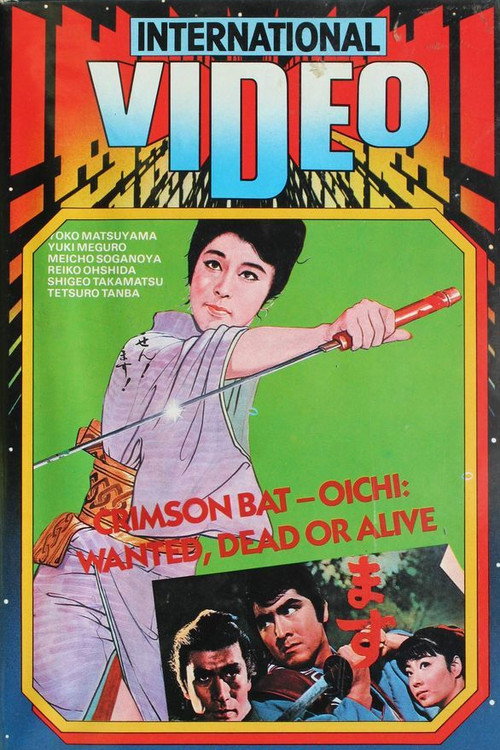
1970
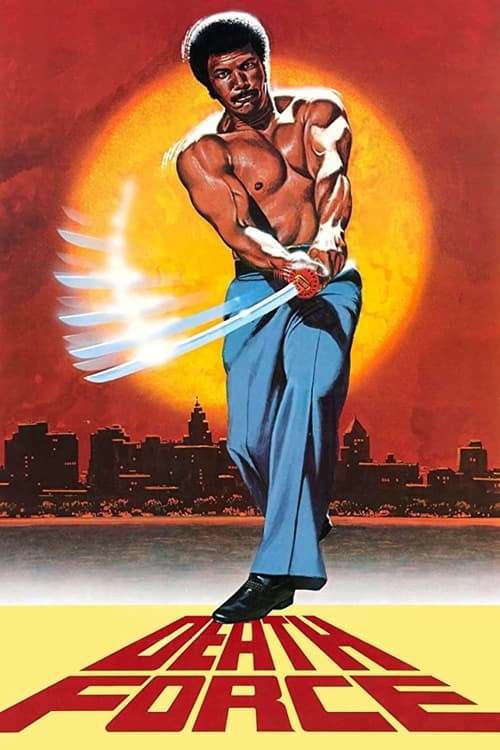
1978
No reviews yet. Be the first to share your thoughts on this movie!
Use the rating form above to leave a star rating and optional review.