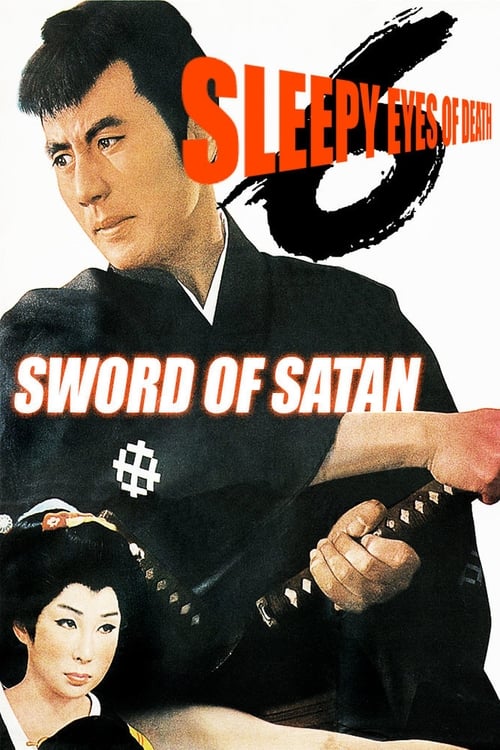
Sleepy Eyes of Death 6: Sword of Satan
1965
No user ratings available yet
Diversity score: 4.0 out of 10

1964
Director
Kimiyoshi Yasuda
Runtime
86 minutes
Average Rating
No ratings yetSynopsis
A decapitation at the hands of the shogun's monstrous misbegotten son kicks off the action and draws nomadic Nemuri Kyoshiro (Raizô Ichikawa) into more sword-fighting adventures when he's blamed for the beheading. Meanwhile, the head-chopper's mother is busy knocking off the shogun's lawful heirs to secure the shogunate for her son.
Overall Score
Fair
Category Breakdown
LGBTQ+ Representation
The film lacks explicit depictions of LGBTQ+ identities or non-heteronormative romance. It adheres to traditional chanbara tropes centered on masculine conflict and lineage.
Gender Representation
While the story centers on male combatants, a maternal figure drives the plot through political maneuvering. Her agency in eliminating heirs provides a complex layer beyond domestic roles.
Racial & Ethnic Diversity
The production features a culturally homogeneous Japanese cast. It serves as a significant cultural export that centers non-Western historical perspectives within its specific era.
Religious & Cultural Diversity
The narrative explores systemic corruption and the instability of authority. It uses a nomadic outsider and a subversive mother to deconstruct traditional institutional legitimacy.
Disability Representation
There is no visible or mentioned depiction of physical or neurodivergent disabilities within the narrative.
Strengths
Areas for Improvement
AI Analysis
Sleepy Eyes of Death 3: Full Circle Killing is a period drama deeply rooted in its specific historical and cultural milieu. The film prioritizes traditional genre frameworks, focusing on masculine swordplay and familial power struggles. While the cast is culturally homogeneous, the film offers depth through its exploration of social outsiders and the subversion of shogunate authority. The protagonist's nomadic status and the mother's political machinations provide a nuanced look at characters operating outside established moral frameworks. Ultimately, the film lacks modern intersectional markers like LGBTQ+ representation or multi-ethnic casting, but it succeeds in presenting a sophisticated engagement with themes of systemic instability.
No reviews yet. Be the first to share your thoughts on this movie!
Use the rating form above to leave a star rating and optional review.