
City Streets
1931
No user ratings available yet
Representation score: 1.7 out of 10

Representation Score
Fair
1931
PassedDirector
Clarence Brown
Runtime
93 minutes
Average Rating
No ratings yetNew Showbiz Analysis
A Free Soul stands out for its portrayal of women's ability to drive the story, challenging the gender norms of the early 1930s. However, the film's lack of racial, LGBTQ+, and disability representation limits its cultural breadth. While the protagonist's pursuit of independence offers a nuanced view of femininity, the film ultimately aligns these efforts with traditional spiritual frameworks, preventing a deeper critique of societal and religious institutions.
Category Breakdown
The film centers on heterosexual relationships and the conflict between pleasure-seeking and religious beliefs. There are no characters with non-binary gender identities or same-sex relationships.
Norma Shearer's character breaks away from early 20th-century feminine roles by showing strong ability to act. She seeks independence and rejects traditional social norms, driving the plot forward.
The cast is predominantly white, reflecting the demographics of high-society circles in 1931. The story does not include significant minority representation or diverse casting.
The story examines the tension between secular and religious views. It portrays the protagonist's actions through a lens of spiritual redemption, avoiding a critical look at societal structures.
There is no depiction of physical, sensory, or neurodivergent disabilities. The characters face psychological and moral challenges rather than issues related to lived disabilities.
Present on Screen
Limited or Absent
Official Synopsis
An alcoholic lawyer who successfully defended a notorious gambler on a murder charge objects when his free-spirited daughter becomes romantically involved with him.
1931
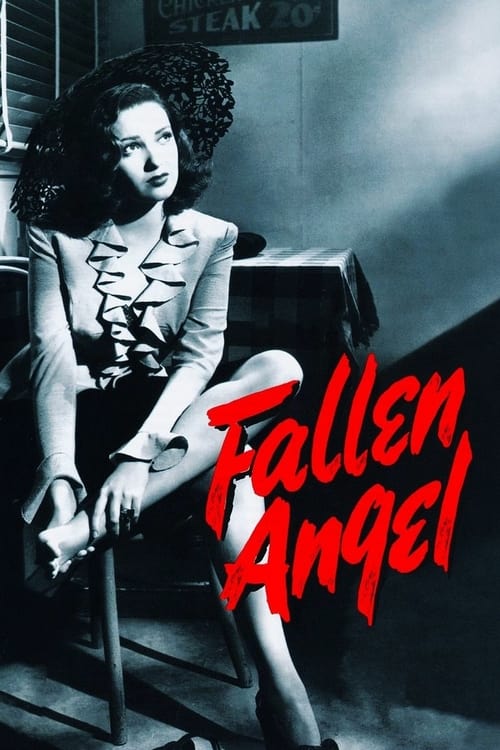
1945

1937
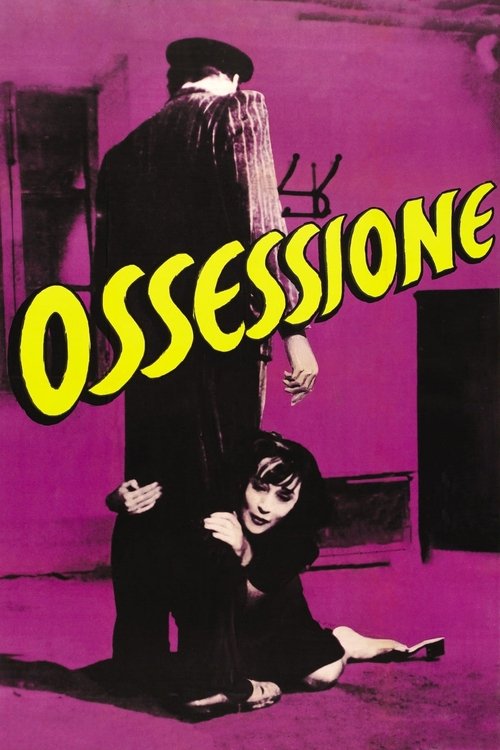
1943

1935
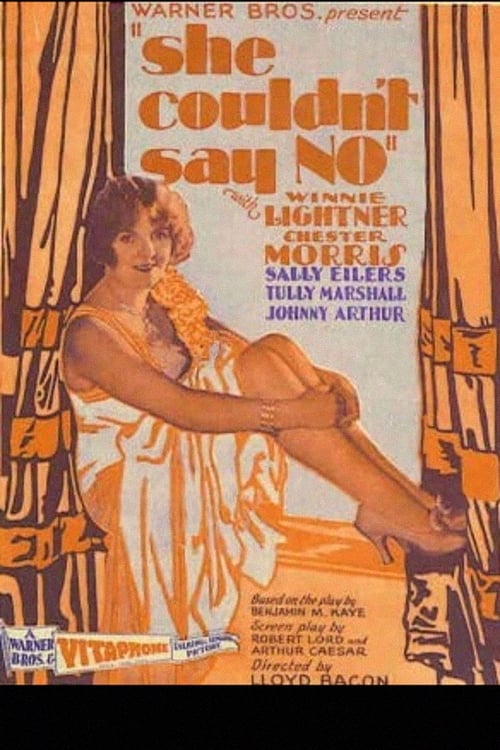
1930

1933
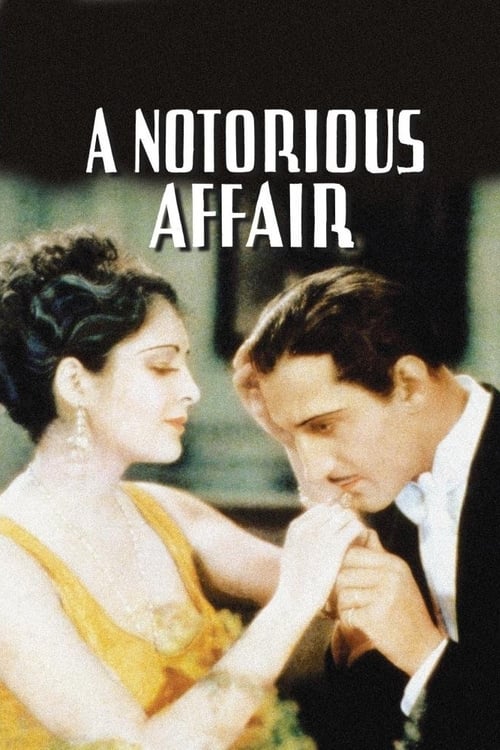
1930
No reviews yet. Be the first to share your thoughts on this movie!
Use the rating form above to leave a star rating and optional review.