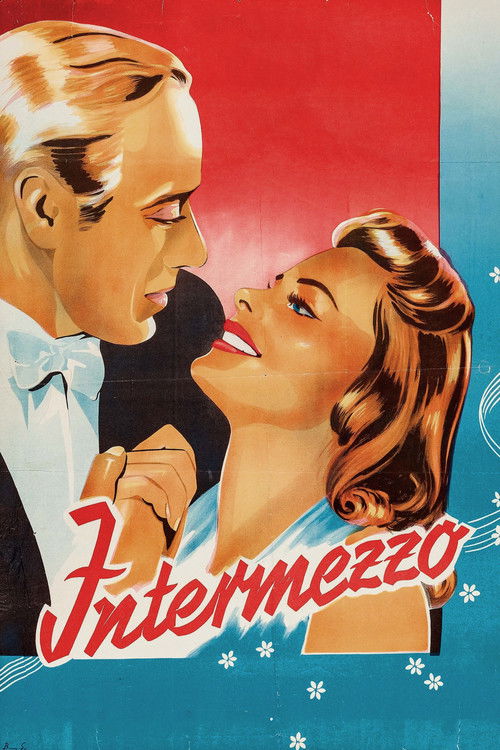
Intermezzo
1936
No user ratings available yet
Diversity score: 3.1 out of 10
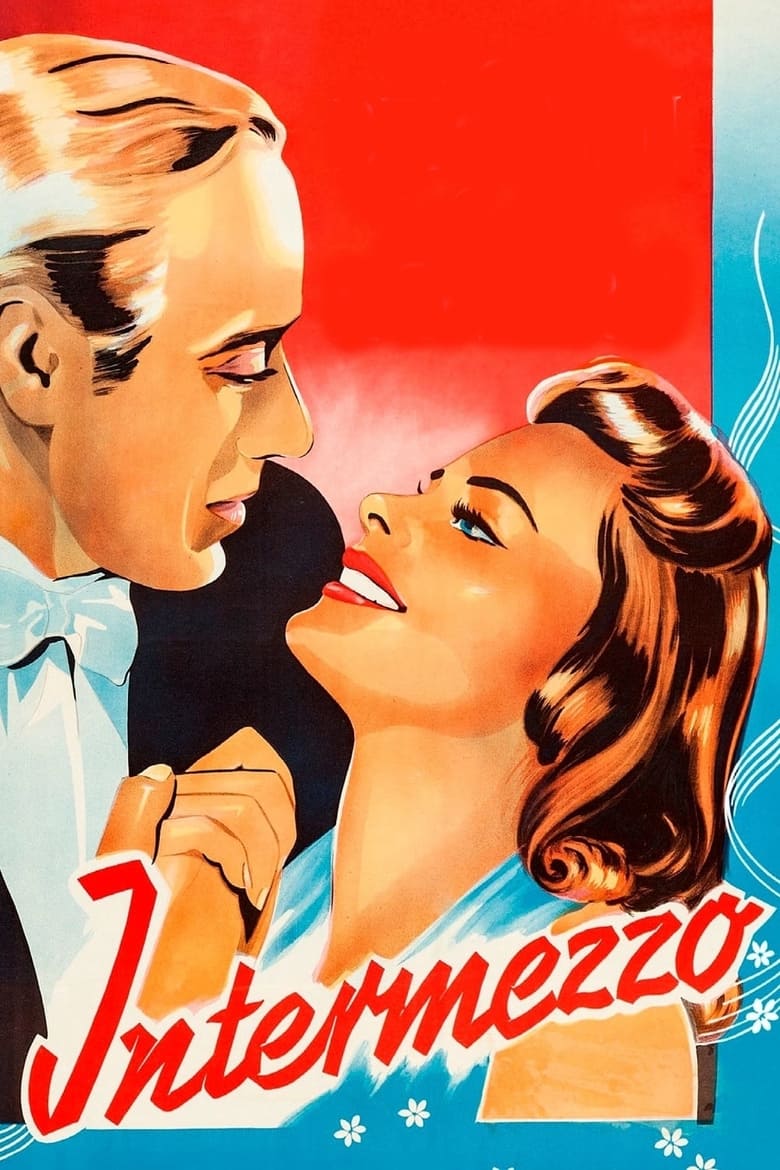
1939
ApprovedDirector
Gregory Ratoff
Runtime
70 minutes
Average Rating
No ratings yetSynopsis
A concert violinist becomes charmed with his daughter's talented piano teacher. When he invites her to go on tour with him, they make beautiful music away from the concert hall as well. He soon leaves his wife so the two can go off together.
Overall Score
Minimal
Category Breakdown
LGBTQ+ Representation
The film follows a strictly heteronormative structure. It centers on a traditional romantic triangle between a man and two women, offering no non-cisnormative identities.
Gender Representation
Female characters show professional agency through musical talent. However, the plot reinforces traditional hierarchies by focusing on the male protagonist's decision to abandon his wife.
Racial & Ethnic Diversity
The production reflects the demographic homogeneity of 1939 Hollywood. The cast and setting are exclusively white and Anglo-centric, focusing on the musical elite.
Religious & Cultural Diversity
The story celebrates Western high-culture institutions like classical music. It reinforces traditional values regarding marriage and social standing within the established social order.
Disability Representation
There are no prominent depictions of physical or neurodivergent disabilities. No such identities serve as central drivers in the narrative.
Strengths
Areas for Improvement
AI Analysis
Intermezzo: A Love Story is a quintessential product of the 1939 studio system, prioritizing classical melodrama over social critique. The film operates within a very narrow demographic and ideological framework, focusing on the emotional life of a white, upper-middle-class musical elite. While the film grants women professional competence through their musical abilities, the core conflict remains tethered to traditional gender roles and domestic disruption. The narrative lacks any meaningful representation of racial, ethnic, or LGBTQ+ identities, adhering strictly to the social norms of its era. Ultimately, the film functions as a celebration of Western high culture. It reinforces established social hierarchies and conventional romantic arcs rather than challenging them.
1936
1939
1946
1934
1928

1936
1933
1927
1935
1930
1947
1960
No reviews yet. Be the first to share your thoughts on this movie!
Use the rating form above to leave a star rating and optional review.