Street of Women
1932
No user ratings available yet
Representation score: 2.0 out of 10
Representation Score
Limited
1928
NRDirector
Clarence Brown
Runtime
91 minutes
Average Rating
No ratings yetNew Showbiz Analysis
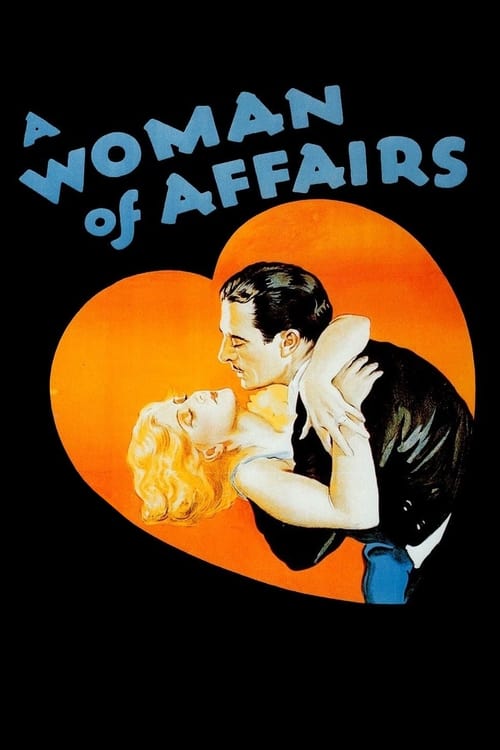
A Woman of Affairs serves as a transitional piece of silent cinema, moving away from the rigid moralizing clichés common in the 1920s. Instead, it explores the subjective nature of social transgressions and the emotional journey of its female protagonist. While the film lacks diverse representations of race and sexual orientation, it provides a progressive portrayal of gender. The narrative structure shifts the focus from male-driven stability to the emotional truth and consequences of the protagonist's choices. Ultimately, the film is a character study of a woman navigating a downward spiral, prioritizing her internal landscape over the reinforcement of traditional societal norms.
Category Breakdown
The film focuses solely on a heterosexual love triangle and does not depict any non-binary gender identities or same-sex relationships.
Diana is a complex protagonist who navigates personal desires and social consequences. The narrative emphasizes her internal autonomy and emotional journey over traditional domestic roles.
The cast is predominantly homogeneous, reflecting the production standards of 1928. The film portrays an upper-class London society through an exclusively Anglo-Saxon perspective.
The story explores moral relativism by framing infidelity as a result of emotional necessity rather than pure sin. It operates within the existing class structures of the time period.
There are no prominent depictions of physical or neurodivergent disabilities that serve as central character traits or drive the narrative.
Present on Screen
Limited or Absent
Official Synopsis
Childhood friends Diana, Neville and David are caught in a love triangle as adults. Diana and Neville have long been smitten with each other, but her father disapproves of the relationship, resulting in her eventual marriage to David. It's not long after their wedding, however, that tragedy strikes, sending Diana on a downward spiral. When Neville reappears in her life, will he be able to save her from her own misery?
1932
1952
1926

1933
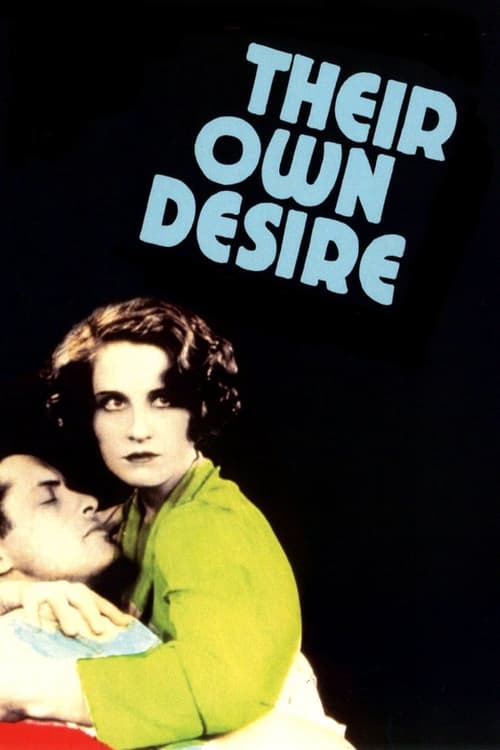
1929
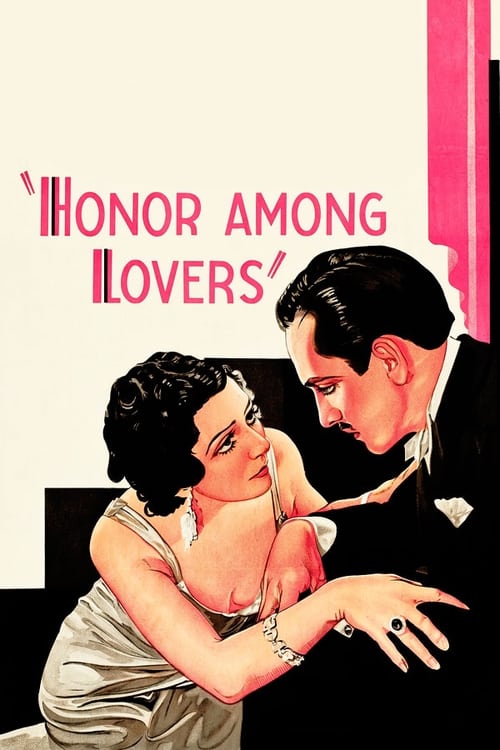
1931
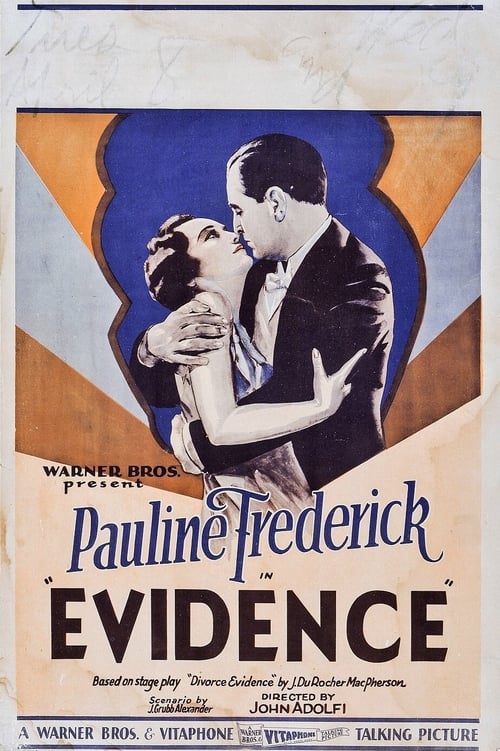
1929
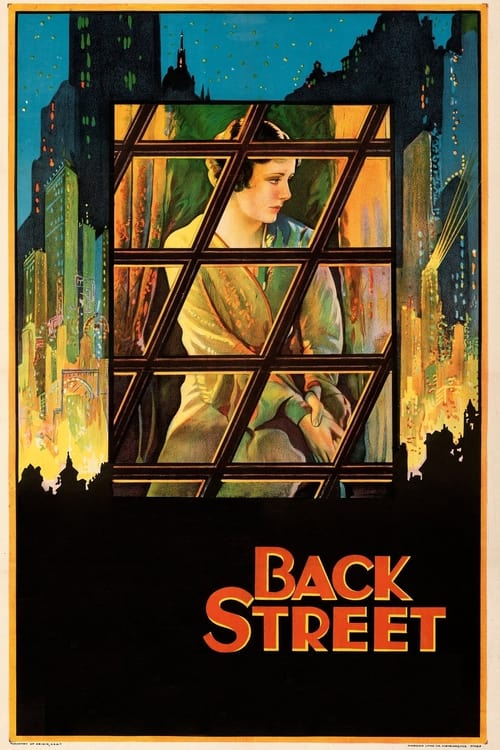
1932
No reviews yet. Be the first to share your thoughts on this movie!
Use the rating form above to leave a star rating and optional review.