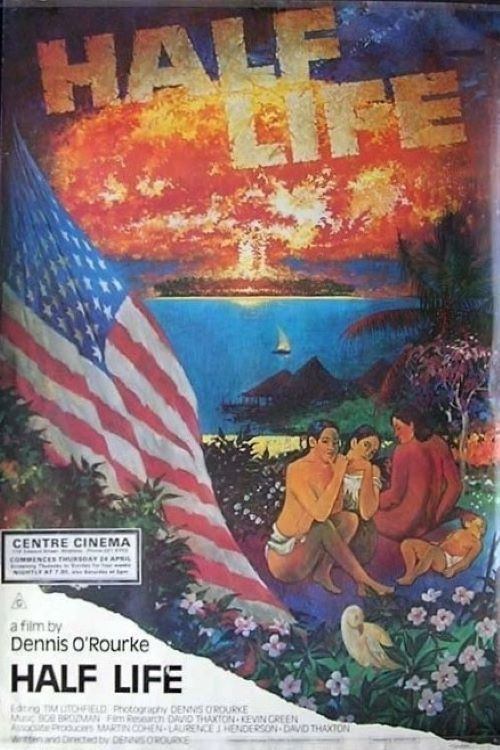
Half Life
1986
No user ratings available yet
Representation score: 6.6 out of 10

Representation Score
Excellent
1982
Director
Terre Nash
Runtime
26 minutes
Average Rating
No ratings yetNew Showbiz Analysis
The film functions primarily as a humanitarian critique of geopolitical power structures rather than a study of social identity. Its strength lies in deconstructing state authority and prioritizing global biological continuity over nationalistic interests. While it lacks modern identity-based representation, it challenges the era's conventional depictions of women in science and politics. By centering Dr. Caldicott, the documentary elevates female intellect against a backdrop of systemic destruction. Ultimately, the film uses historical trauma and newsreel evidence to shift the lens from Western military dominance to the human cost experienced by non-Western populations.
Category Breakdown
The documentary focuses on nuclear disarmament and medical consequences rather than identity-based narratives. There is no explicit portrayal of LGBTQ+ characters or non-straight relationships.
Dr. Helen Caldicott serves as the primary intellectual driver, centering a female pediatrician in a high-stakes political discourse. This disrupts traditional hierarchies by positioning female scientific authority at the forefront.
Historical newsreel footage of Hiroshima and Nagasaki shifts the perspective toward the lived realities of Japanese victims. This moves the narrative away from Western military dominance toward the human costs experienced by non-Western populations.
The film critiques the military-industrial complex and state-sponsored proliferation, prioritizing global survival and humanitarian ethics over nationalistic patriotism and capitalist arms racing.
Footage of nuclear bomb survivors introduces depictions of severe physical trauma and long-term medical consequences. These images force viewers to confront the reality of physical impairment caused by systemic violence.
Present on Screen
Limited or Absent
Official Synopsis
Australian pediatrician Helen Caldicott delivers a lecture on the potential medical and societal consequences of a nuclear war, and advocates for nuclear disarmament. The film includes newsreel records of the beginnings of the arms race and the bombings of Hiroshima and Nagasaki, as well as film records showing the Japanese who were severely scarred and burned in the bombings.
1986

1966

1987

1984

1988

1992

1984
2023
No reviews yet. Be the first to share your thoughts on this movie!
Use the rating form above to leave a star rating and optional review.