Nuclear Meltdown Disaster
2015
No user ratings available yet
Representation score: 7.0 out of 10
Representation Score
Good
2015
Director
Matteo Gagliardi
Runtime
84 minutes
Average Rating
No ratings yetNew Showbiz Analysis
Fukushima: A Nuclear Story primarily serves as an investigative critique of systemic failures and industrial risks. It avoids identity-driven storytelling and instead focuses on the environmental and technical realities of the 2011 disaster. The film takes a progressive stance by centering a non-Western crisis and challenging narratives of technological infallibility. However, it does not explicitly focus on social identity politics, such as LGBTQ+ or gender subversion. Overall, the documentary’s strength lies in its critical approach to institutions, though it remains neutral regarding specific social identity representations.
Category Breakdown
The documentary focuses on the aftermath of the 2011 disaster, but it does not include specific stories or character arcs that address LGBTQ+ identities.
The film emphasizes technical experts and officials, which often means roles traditionally associated with men. There is no clear evidence of women playing key roles in decision-making processes.
The film centers on the experiences of Japanese residents affected by the disaster, providing a platform for non-Western perspectives and avoiding a Western-centric viewpoint.
The documentary critiques large-scale industrial institutions and state stability, focusing on systemic issues rather than promoting institutional authority.
The film touches on the health impacts of radiation exposure and tsunami trauma, including chronic illnesses. Its effectiveness depends on whether it highlights the experiences of those affected by radiation-related health issues.
Present on Screen
Limited or Absent
Official Synopsis
A powerful documentary that sheds some light on what really happened at the Fukushima nuclear power plant after the 2011 earthquake and the tsunami that immediately followed. A powerful documentary - shot from March 11th, 2011 through March 2015 - that sheds some light on what really happened at the Fukushima nuclear power plant after the 2011 earthquake and the tsunami that followed.
2015
2013
2012
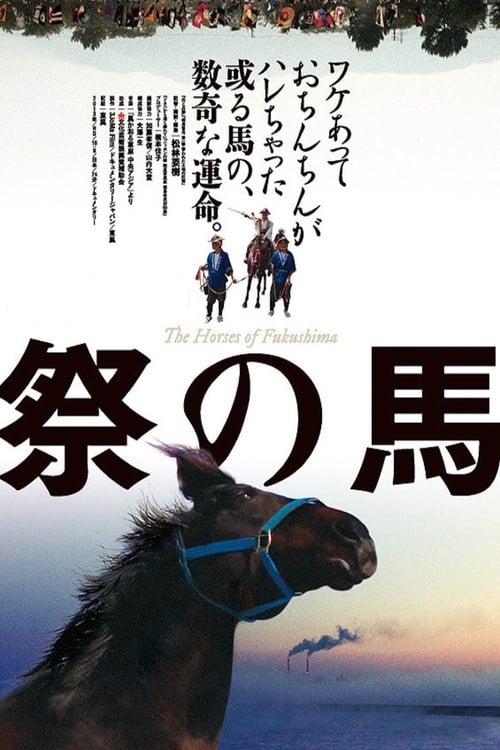
2013
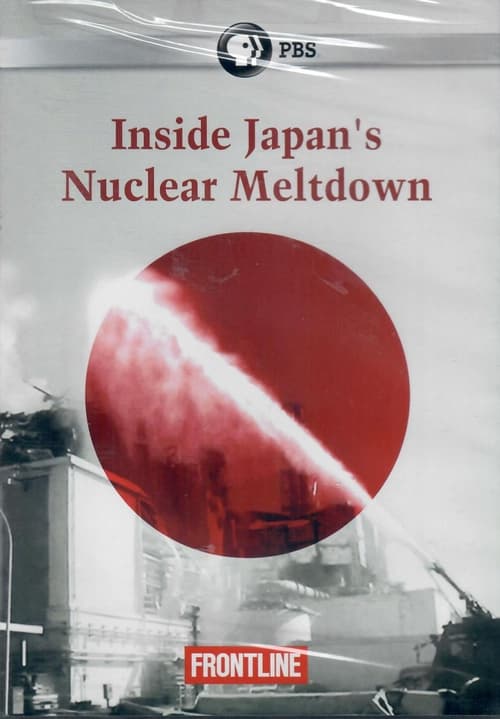
2012

2022
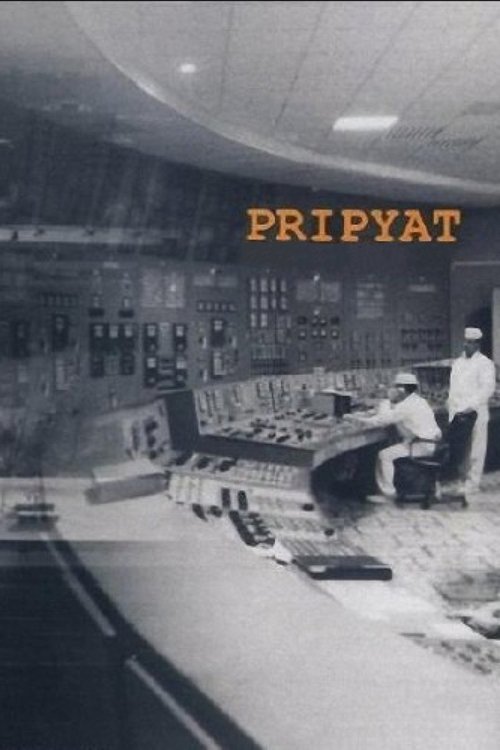
1999
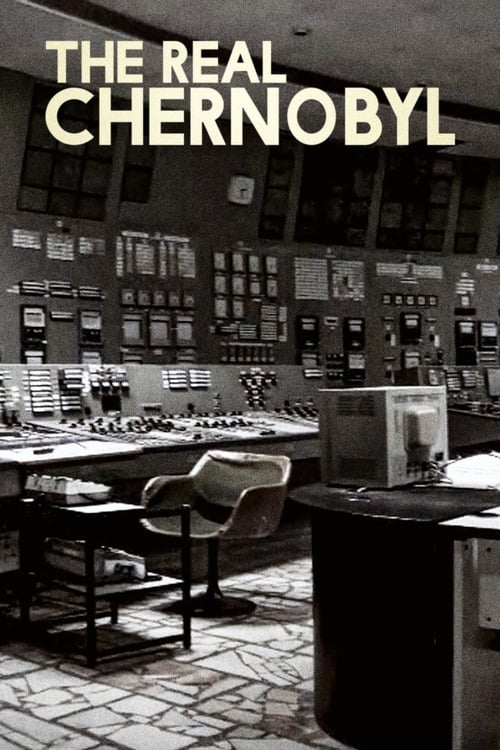
2019
No reviews yet. Be the first to share your thoughts on this movie!
Use the rating form above to leave a star rating and optional review.