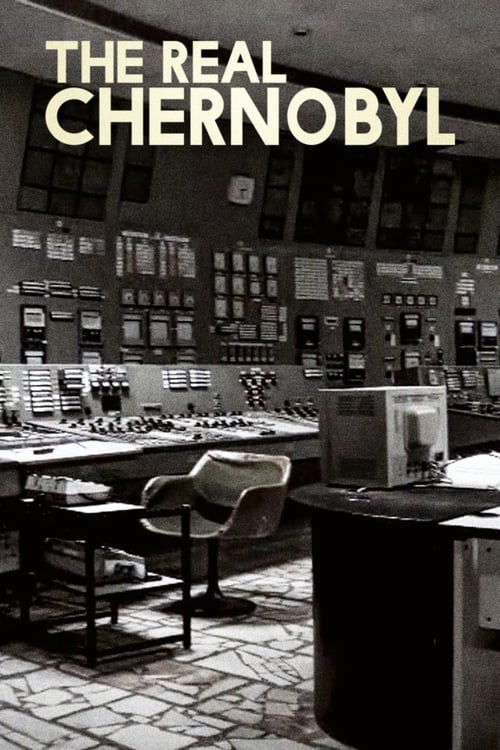
The Real Chernobyl
2019
No user ratings available yet
Representation score: 3.6 out of 10

Representation Score
Excellent
2022
Director
James Jones
Runtime
96 minutes
Average Rating
No ratings yetNew Showbiz Analysis
Chernobyl: The Lost Tapes serves as a historical deconstruction of the 1986 nuclear disaster. It uses archival footage to prioritize the lived realities of victims and liquidators over the sanitized official records of the Soviet state. The documentary's strength lies in its cultural critique of institutional integrity. By centering on the tension between individual experience and government obfuscation, it challenges the monolithic narrative of the era. While the film lacks specific representation for certain identities, its focus on the human cost of systemic failure provides a powerful lens for viewing regional identity and physical vulnerability.
Category Breakdown
The documentary focuses on the immediate aftermath of a nuclear disaster in the Soviet Union. There is no evidence of LGBTQ+ characters or narratives addressing non-straight relationships.
The film examines power hierarchies within a traditionally male-dominated Soviet context. Its focus on human vulnerability may challenge the stoic masculine archetypes often associated with military and industrial heroism.
The narrative centers on the inhabitants of Soviet Ukraine. It highlights the role of the local population against a centralized, imperial power structure and a monolithic state.
The film interrogates the Soviet Union's institutional corruption. It frames the state's cover-up as a central conflict, critiquing centralized authority and state-mandated secrecy.
The film depicts the physical and long-term health consequences of radiation exposure. It portrays the physical toll of the accident without the sanitization found in state-sponsored histories.
Present on Screen
Limited or Absent
Official Synopsis
Thirty-six years after the Chernobyl nuclear reactor exploded in Soviet Ukraine, newly uncovered archival footage and recorded interviews with those who were present paint an emotional and gripping portrait of the extent and gravity of the disaster and the lengths to which the Soviet government went to cover up the incident, including the soldiers sent in to “liquidate” the damage. Chernobyl: The Lost Tapes is the full, unvarnished true story of what happened in one of the least understood tragedies of the twentieth century.
2019

2012
1990

2021
2006

2016
2015

2016
No reviews yet. Be the first to share your thoughts on this movie!
Use the rating form above to leave a star rating and optional review.