Radiophobia
2006
No user ratings available yet
Representation score: 7.9 out of 10
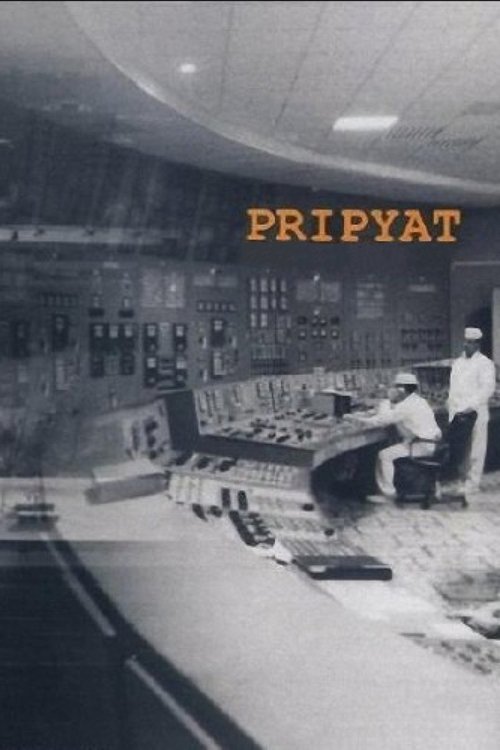
Representation Score
Good
1999
Director
Nikolaus Geyrhalter
Runtime
100 minutes
Average Rating
No ratings yetNew Showbiz Analysis
Pripyat is a documentary that examines human resilience within the Chernobyl Exclusion Zone. It focuses on the lived experiences of four individuals navigating a landscape defined by invisible, systemic risks and post-industrial decay. The film excels by centering the roles of its subjects, allowing them to navigate their own reality against a backdrop of catastrophic industrial failure. It moves away from didacticism to offer an observational look at life on the margins. While the film doesn’t focus on specific identity-related subplots like LGBTQ+ or multiculturalism, it provides a nuanced exploration of how individuals maintain autonomy when traditional societal structures and institutional safety nets have failed.
Category Breakdown
The film doesn't explore specific LGBTQ+ identities or character arcs. It focuses more on the immediate environmental and socio-economic challenges faced by its characters.
The film showcases diverse voices through its four main characters. By putting these individuals at the forefront, the movie avoids traditional gender hierarchies and highlights personal ability to act in a challenging environment.
The cast reflects the local demographics of the Chernobyl region. The film serves as a localized study of a specific community rather than aiming for a diverse, multicultural cast.
The narrative delves into themes of systemic failure and the breakdown of institutional stability. It emphasizes individual truth and lived reality over state-sanctioned narratives.
The film addresses the invisible danger of radioactivity as a pervasive, non-visible condition. The protagonists manage this constant, unseen threat, offering insights into navigating systemic health risks.
Present on Screen
Limited or Absent
Official Synopsis
After the catastrophe in 1986, a 30-km restricted zone was erected around the Chernobyl nuclear power plant, and 116,000 persons were evacuated from this area. Pripyat is a portrait of the people who still live and work there, and of those who have moved back. What is life like for these people, a life with the invisible and incomprehensible danger of radioactivity? How do they deal with the aftereffects of an accident which is claimed to be statistically improbable? Four protagonists tell their stories and provide a look at everyday life in “their“ zone.
2006

1984

2012
2020
2016
2016

2013
2003
No reviews yet. Be the first to share your thoughts on this movie!
Use the rating form above to leave a star rating and optional review.