Pripyat
1999
No user ratings available yet
Representation score: 7.8 out of 10
Representation Score
Good
2006
TV-GDirector
Julio Soto Gurpide
Runtime
54 minutes
Average Rating
No ratings yetNew Showbiz Analysis
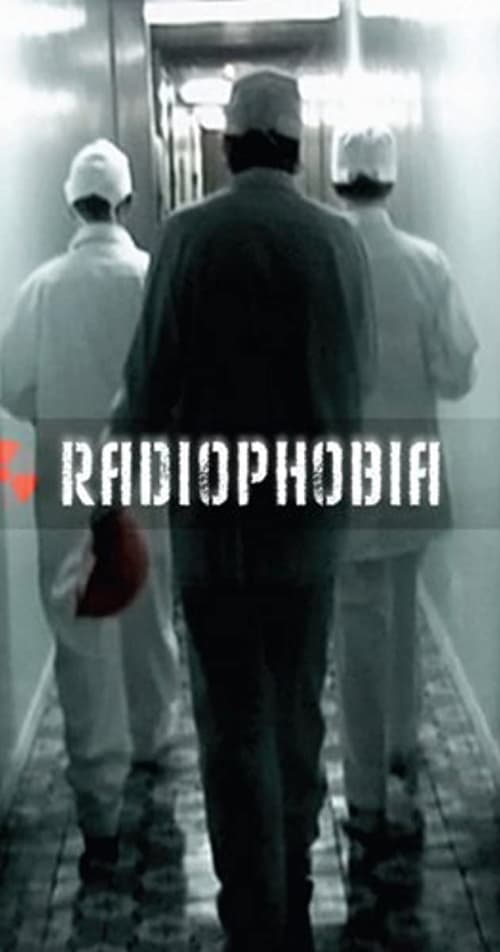
Radiophobia disrupts conventional historical frameworks by rejecting top-down, institutional accounts of the Chernobyl disaster. Instead, it utilizes a bottom-up narrative structure that prioritizes the subjective experiences of those who lived through the catastrophe. The film's strength lies in its ability to frame systemic failure through the lens of personal identity. By returning to the 'Zone' twenty years later, the documentary explores the intersection of individual ability to act and long-term human impact. While the demographic focus is geographically specific and largely homogeneous, the film succeeds in humanizing a population often overlooked by official state-sanctioned histories.
Category Breakdown
The film focuses on historical survivors and reactor personnel. There is no explicit evidence regarding LGBTQ+ identities within this specific historical context.
The documentary provides a platform for diverse voices within the survivor community. It potentially challenges traditional masculine archetypes by focusing on vulnerability rather than stoicism.
The demographic is largely homogeneous due to the Soviet-era geographic context. However, the film offers a nuanced look at a localized population often underrepresented by global discourse.
The narrative deconstructs the reliability of state institutions by centering individual truths. It offers a meditation on the failure of centralized systems through the lens of the survivors.
The film engages with the long-term physical and psychological consequences of radiation. It gives real power to those navigating chronic illness and environmental trauma.
Present on Screen
Limited or Absent
Official Synopsis
RADIOPHOBIA examines the Chernobyl disaster and its consequences 20 years later from the perspective of a group of survivors and people who were on duty at the reactor on the fateful night. This is the first time that they have returned to the 'Zone' to reconcile their past with the ruins of the present.
1999
1984

2016
2003

2022
2020

2010
2016
No reviews yet. Be the first to share your thoughts on this movie!
Use the rating form above to leave a star rating and optional review.