Life After: Chernobyl
2016
No user ratings available yet
Representation score: 5.0 out of 10
Representation Score
Good
2020
Director
Iara Lee
Runtime
58 minutes
Average Rating
No ratings yetNew Showbiz Analysis
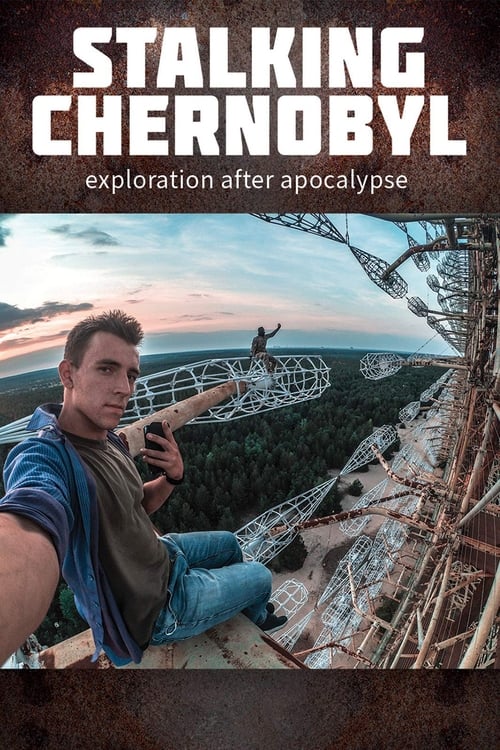
Stalking Chernobyl stands out as a study of personal freedom operating beyond conventional state-imposed limits. It shifts attention from historical tragedy to the current lives of those living on the margins of societal norms. The documentary excels in dismantling traditional institutional authority. By highlighting the autonomy of those living outside legal boundaries, it emphasizes individual freedom over state-enforced order. Though the film does not focus specifically on identity-based demographics like racial or LGBTQ+ diversity, it promotes progressive values through its depiction of environmental defiance and cultural resistance.
Category Breakdown
The film examines alternative lifestyles and shifting social structures within subcultures. However, it does not include specific LGBTQ+ character stories or arcs.
The documentary showcases a variety of individuals navigating a harsh, post-apocalyptic world, challenging traditional ideas of masculinity.
The story focuses on local communities and subcultures within the exclusion zone. It does not emphasize a multi-ethnic or non-Anglo-Saxon majority cast.
The film highlights the independence of 'stalkers,' who live outside state control. It portrays illegal adventurers as heroes, critiquing institutional oversight.
The film addresses physical vulnerability and resilience in a post-disaster environment. It does not feature characters with visible disabilities as key to the plot.
Present on Screen
Limited or Absent
Official Synopsis
Film examines the underground culture of the Chornobyl Exclusion Zone. Three decades after the world's most infamous nuclear disaster, wildlife has returned in the absence of human settlements. Meanwhile, illegal hiking adventurers known as "stalkers," extreme sports aficionados, artists, and tour companies have begun to explore anew the ghostly, post-apocalyptic landscape.
2016
2021
2010
2008
1999
2013
2016
2019
No reviews yet. Be the first to share your thoughts on this movie!
Use the rating form above to leave a star rating and optional review.