Get the Picture
2012
No user ratings available yet
Representation score: 3.6 out of 10
Representation Score
Good
1989
TV-14Director
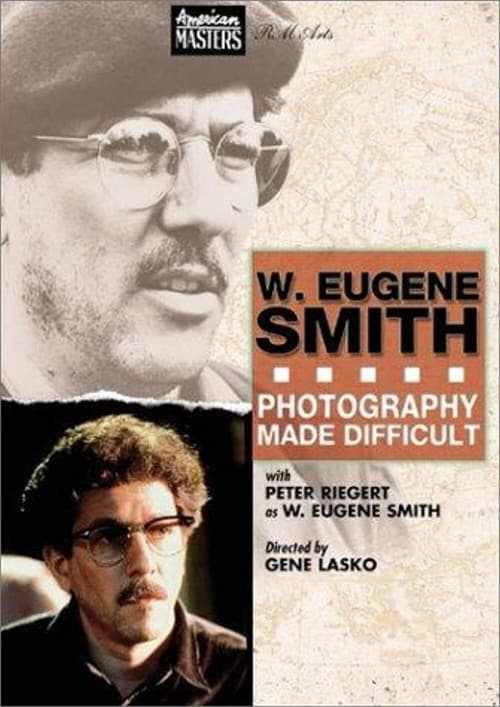
Gene Lasko
Runtime
89 minutes
Average Rating
No ratings yetNew Showbiz Analysis
This documentary serves as a biographical study of W. Eugene Smith, using his extensive photographic archive to explore themes of social responsibility. The film's strength lies in its ability to elevate underrepresented voices through Smith's documentation of war and industrial pollution. It disrupts a Western-centric perspective by focusing on global struggles and uses photography to highlight the human condition. Ultimately, the film is a study of empathy and social consciousness, even though it remains anchored to a traditional male-centric biographical framework.
Category Breakdown
The film focuses on the professional and personal life of W. Eugene Smith. There is no explicit depiction of queer narratives or non-assuming gender matches what was assigned at birth identities within the documentary.
The narrative follows a traditional biographical structure centered on a male protagonist. It lacks specific evidence regarding the subversion of gender hierarchies or non-traditional roles.
The documentary provides meaningful representation by showcasing Smith’s work in the South Pacific and a Japanese village. This brings global, non-Western perspectives to the forefront.
The film engages deeply with themes of social responsibility and systemic critique. It highlights the consequences of industrial capitalism and geopolitical conflict through Smith's lens.
The film documents victims of global crises, emphasizing human vulnerability. While specific disabilities aren’t detailed, the work treats suffering with dignity rather than as a plot device.
Present on Screen
Limited or Absent
Official Synopsis
The war in the South Pacific, a country doctor in Colorado, victims of industrial pollution in a Japanese village — all were captured in unforgettable photographs by the legendary W. Eugene Smith. This program showcases over 600 of Smith’s stunning photographs and includes a dramatic recreation in which actor Peter Riegert (Crossing Delancey, Local Hero) portrays the artist using dialogue take from Smith’s diaries and letters. Interwoven through the program are archival footage and interviews with family and friends of this brilliant, complicated man, whose work developed from twin themes of common humanity and social responsibility.
2012
2014
2018
2022
2001
2000

2003
2018
No reviews yet. Be the first to share your thoughts on this movie!
Use the rating form above to leave a star rating and optional review.