Alone in the Zone
2011
No user ratings available yet
Representation score: 4.9 out of 10
Representation Score
Good
2004
TV-PGDirector
Rory Kennedy
Runtime
45 minutes
Average Rating
No ratings yetNew Showbiz Analysis
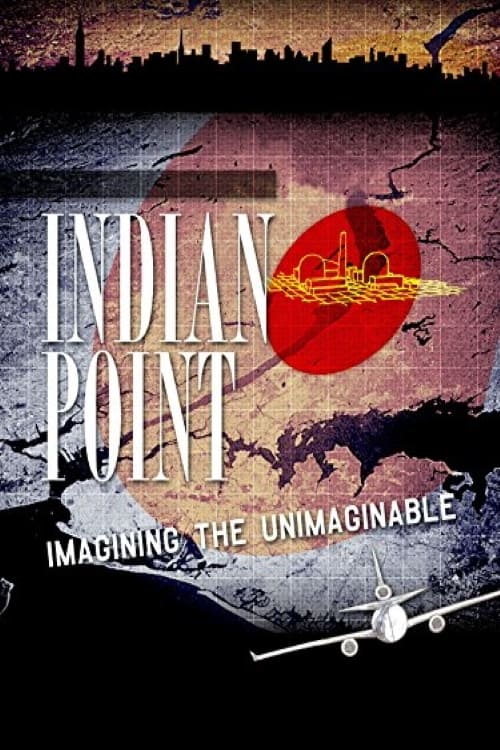
Rory Kennedy’s documentary serves as a pointed examination of institutional power and systemic risk. By focusing on the potential catastrophe of the Indian Point Energy Center, the film prioritizes the voices of dissent against corporate and state structures. The film's strength lies in its cultural critique, framing the struggle for environmental safety as a rebellion against negligent systems. While it lacks specific focus on identity-based representation like LGBTQ+ or disability, it maintains a progressive stance through its anti-establishment lens. Ultimately, the work functions as a study of collective vulnerability. It shifts the focus from institutional stability to the preservation of life and ecology, challenging the authority of the energy sector.
Category Breakdown
The documentary focuses on nuclear policy and environmental safety. It does not include explicit LGBTQ+ stories or challenge the idea that everyone is straight or cisgender.
The film highlights community activists who challenge male-dominated corporate and state structures. It showcases diverse gendered perspectives within political dissent.
The film captures the socioeconomic concerns of a diverse population in the Hudson River Valley. However, it does not specifically highlight multi-layered casting or a non-white majority.
The narrative criticizes Western institutions and large-scale capitalist enterprises. It emphasizes environmental safety and ecology over the perceived infallibility of established industrial authority.
Themes of bodily vulnerability and long-term health risks intersect with disability. However, the film does not center characters with visible or invisible disabilities as primary agents.
Present on Screen
Limited or Absent
Official Synopsis
Twenty million people live within a 50-mile radius of the Indian Point Energy Center and its three nuclear reactors. This film takes a cautionary look at the possible consequences of an accident or terrorist attack on the facility--a catastrophe that could potentially render much of the Hudson River Valley and New York City uninhabitable.
2011
2010
1999
2009
2012
1984
2015

2009
No reviews yet. Be the first to share your thoughts on this movie!
Use the rating form above to leave a star rating and optional review.