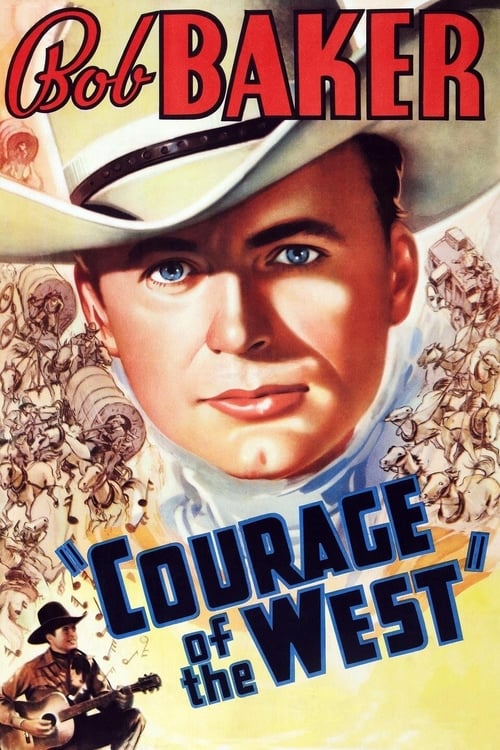
Courage of the West
1937
No user ratings available yet
Representation score: 0.3 out of 10
Representation Score
Minimal
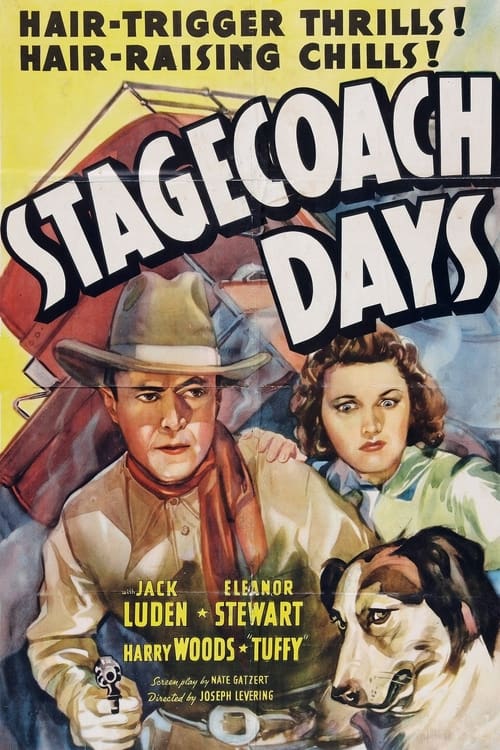
1938
ApprovedDirector
Joseph Levering
Runtime
56 minutes
Average Rating
No ratings yetNew Showbiz Analysis
Stagecoach Days is a traditional Western film from the late 1930s that relies on well-established genre conventions. It uses familiar frontier archetypes and straightforward narratives to reinforce the social hierarchies of its time. The film does not offer complex explorations that challenge conventional expectations of identity or power. Instead, it focuses on the action and adventure of a stagecoach race within a framework of traditional heroism. Overall, the film adheres to standard genre conventions, emphasizing moral clarity and established social structures over narrative subversion or diverse representation.
Category Breakdown
The film follows the traditional norms of the 1930s, where LGBTQ+ identities are not represented. It does not challenge traditional social norms or include non-binary gender identities.
Female characters in the film play supporting roles, reinforcing traditional gender roles where women are expected to be protected and cared for by men.
The film features a mostly white cast with few diverse characters, who are often given stereotypical roles without much influence over the plot.
The film upholds traditional Western values like individualism and clear moral boundaries, reflecting the cultural norms of the time.
Characters with disabilities are not shown in the film, and when they are mentioned, they are often used as plot devices rather than having ability to act.
Present on Screen
Limited or Absent
Official Synopsis
Western featuring a thrilling stagecoach race.
1937
1939
1948
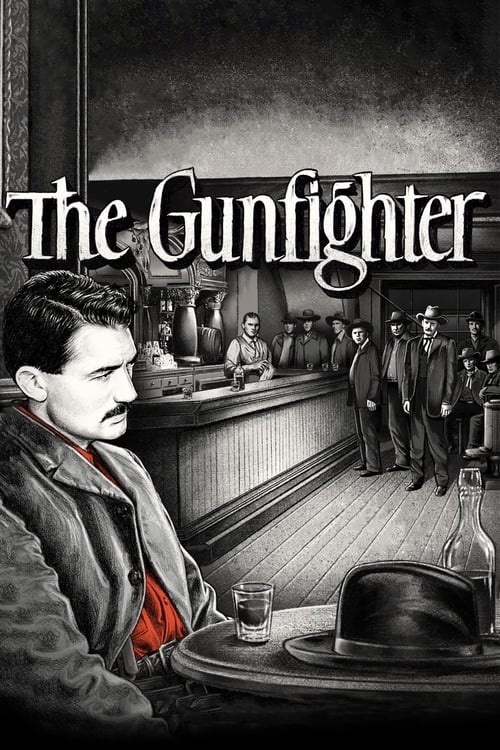
1950
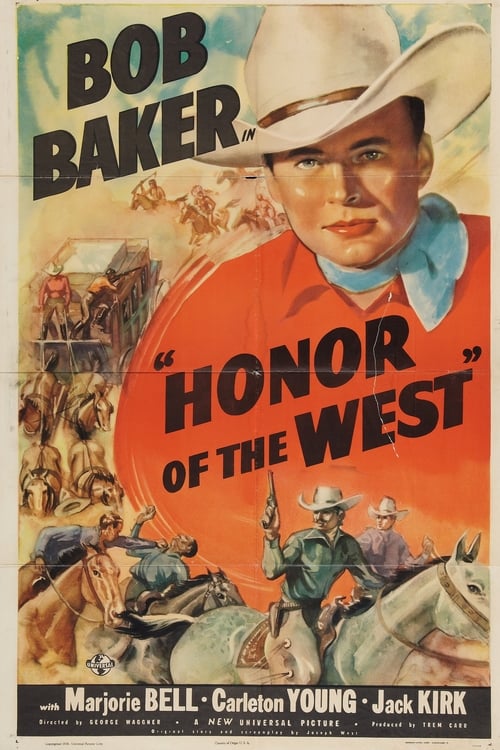
1939
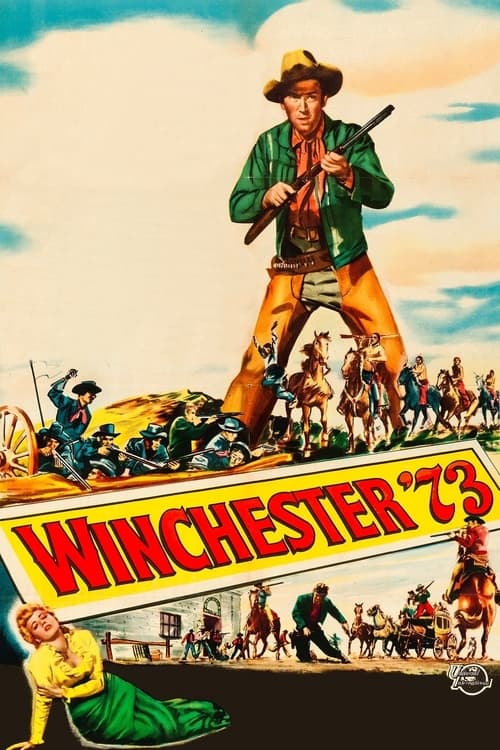
1950
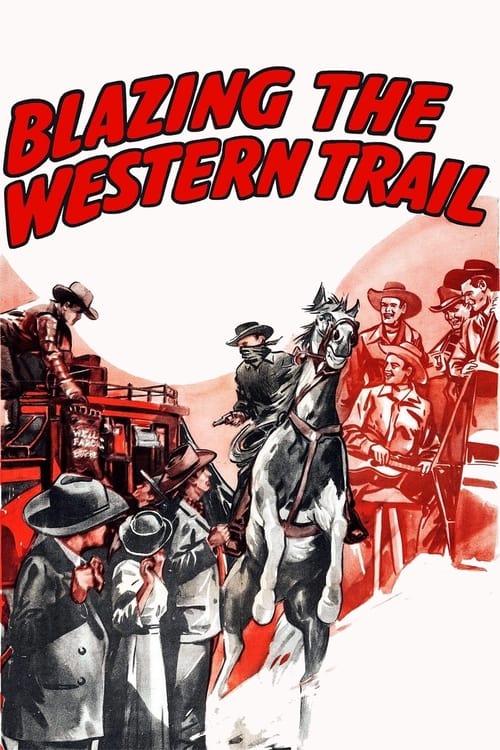
1945
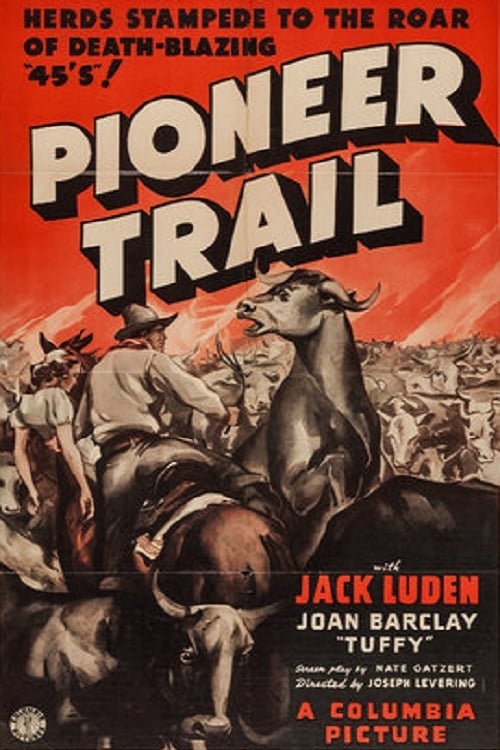
1938
No reviews yet. Be the first to share your thoughts on this movie!
Use the rating form above to leave a star rating and optional review.