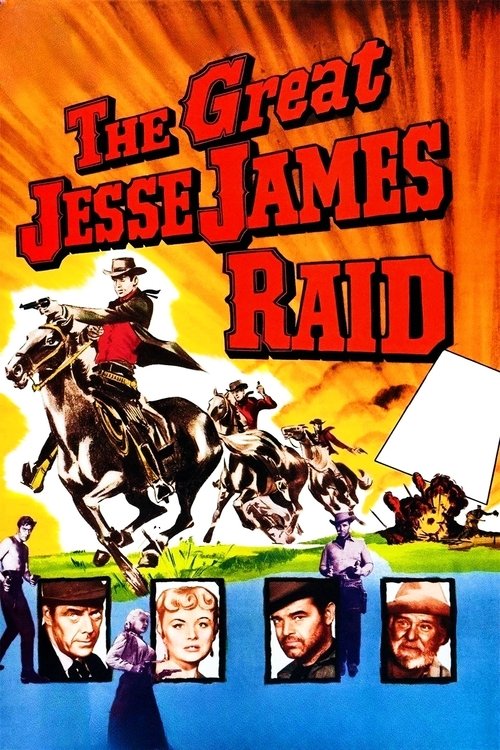
The Great Jesse James Raid
1953
No user ratings available yet
Representation score: 0.2 out of 10
Representation Score
Minimal
1939
GDirector
Joseph Kane
Runtime
63 minutes
Average Rating
No ratings yetNew Showbiz Analysis
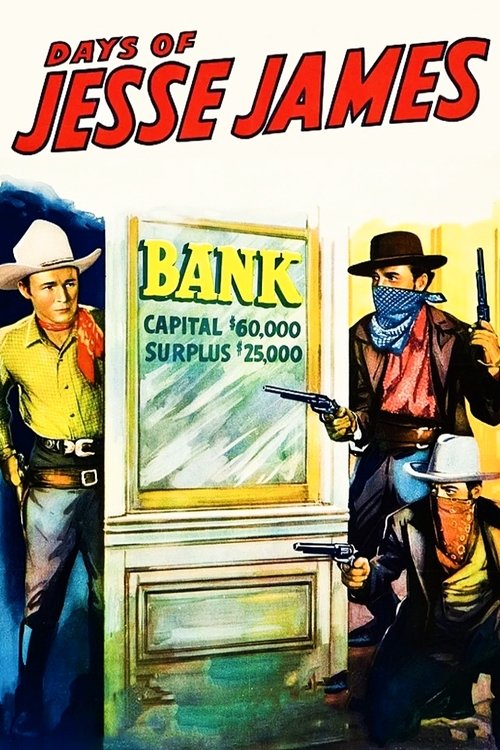
Days of Jesse James is a quintessential product of the 1930s studio system, prioritizing genre stability over social complexity. The narrative reinforces traditional hierarchies of gender and race prevalent in early American cinema. While the plot introduces a minor subversion by suggesting bank officials are the true robbers, this serves the musical adventure rather than a progressive critique of power. The film operates within a highly conventional framework that lacks intentionality to disrupt social norms.
Category Breakdown
The film adheres to strict assumptions that everyone is straight or cisgender, typical of 1930s cinema. There is no presence of non-cisgender identities or same-sex intimacy.
The male protagonist, Roy Rogers, plays a significant role in driving the story. Female characters serve primarily as passive romantic interests without substantial autonomy.
The cast is predominantly homogeneous, reflecting the white-centric view of the American frontier common in this era. It lacks meaningful racial diversity or non-Anglo-Saxon characters with significant roles.
The story focuses on frontier justice and outlawry through an adventure lens. It follows established Western clichés rather than offering a systemic critique of institutions.
There are no visible or invisible disabilities portrayed. Characters are defined by the physical capabilities required by the Western genre.
Present on Screen
Limited or Absent
Official Synopsis
Days of Jesse James is a 1939 American film directed by Joseph Kane and starring Roy Rogers. Bank robbery pulled off by the bank officials, not the usual James gang.
1953

1939
1936

1939
1949
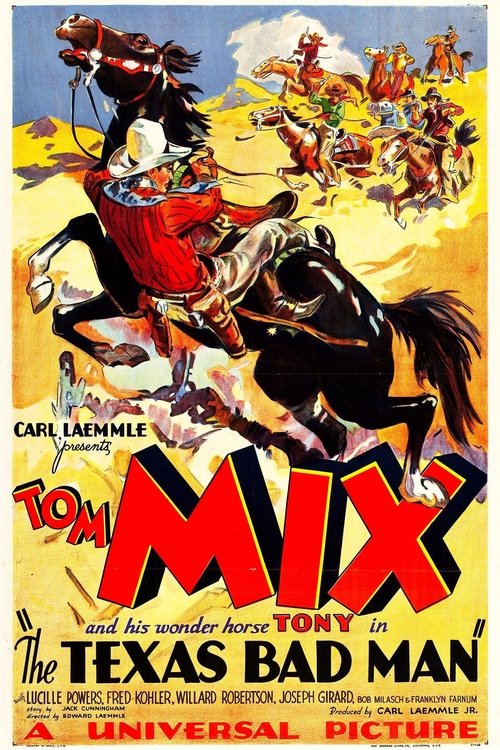
1932
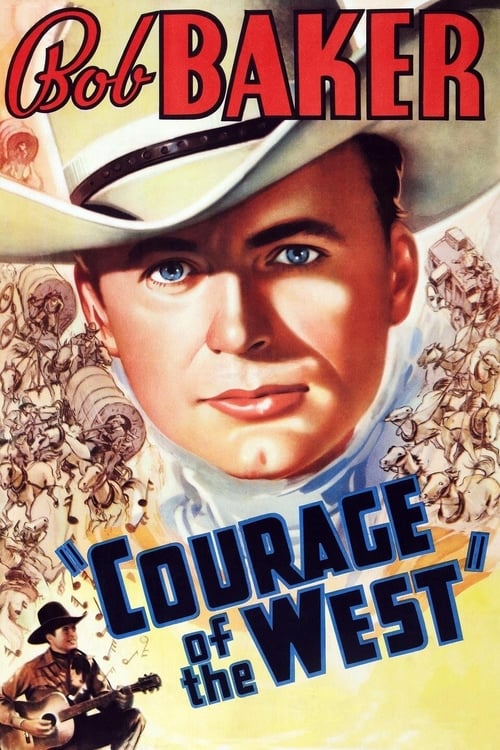
1937

1939
No reviews yet. Be the first to share your thoughts on this movie!
Use the rating form above to leave a star rating and optional review.