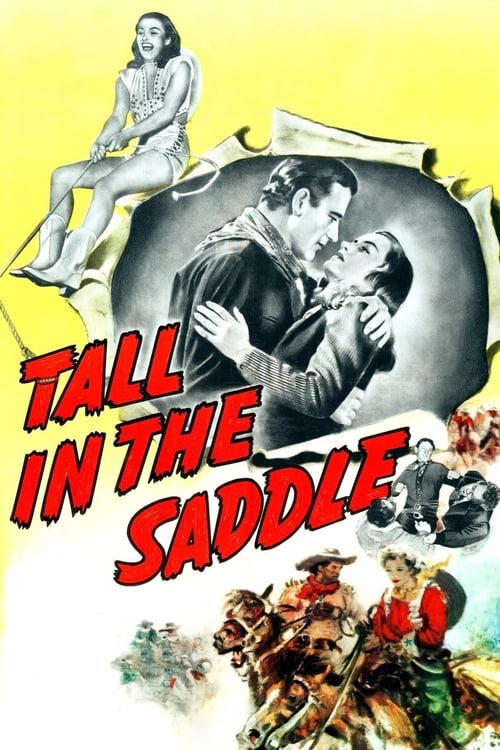
Tall in the Saddle
1944
No user ratings available yet
Representation score: 0.4 out of 10
Representation Score
Minimal
1954
ApprovedDirector
Harry Keller
Runtime
54 minutes
Average Rating
No ratings yetNew Showbiz Analysis
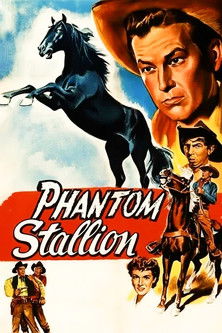
Phantom Stallion is a typical mid-century Western film that emphasizes traditional social structures and established hierarchies. The narrative revolves around masculine camaraderie and the protection of private property. By focusing on the interests of settler families and restoring order, the film reinforces the cultural norms of the 1950s. It lacks the complexity necessary to challenge or subvert these norms. In essence, the film serves as a straightforward example of the Western genre, offering no substantial characters who reflect more than one aspect of diversity or disruption of the era’s cultural archetypes.
Category Breakdown
The film adheres to a strict focus on straight relationships, with no representation of LGBTQ+ identities. The characters are all portrayed within traditional gender roles.
Men play the primary roles in the story, while women are given less prominent and passive roles, reinforcing traditional gender roles.
The story centers around a predominantly white settler and rancher community, reflecting the era's portrayal of the American West as a white-dominated space.
The plot upholds traditional Western values such as private property and frontier justice, emphasizing the stability of legal and familial institutions through masculine intervention.
The film does not feature characters with visible or invisible disabilities. Disability is not utilized as a narrative device in this production.
Present on Screen
Limited or Absent
Official Synopsis
Ex-cavalry buddies, Rex and Slim, band together to capture a wild stallion, solve a murder and thwart the killers from cheating a boy out of his inheritance.
1944
1962
1954

1966
1945
1944

1950

1951
No reviews yet. Be the first to share your thoughts on this movie!
Use the rating form above to leave a star rating and optional review.