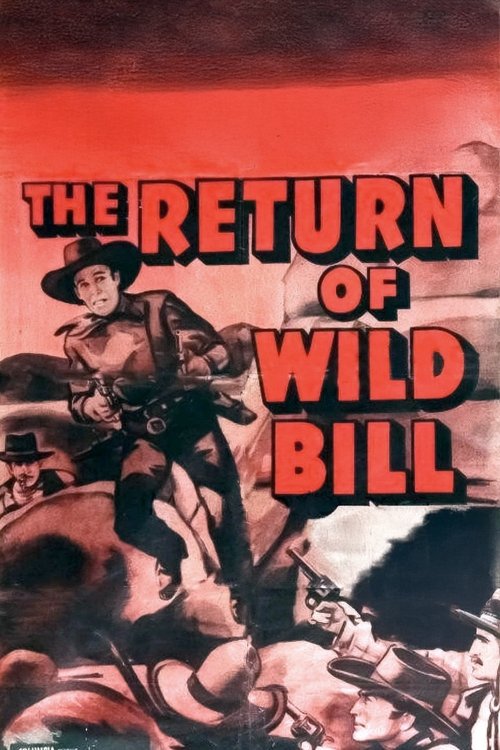
The Return of Wild Bill
1940
No user ratings available yet
Diversity score: 2.1 out of 10

1940
ApprovedDirector
Joseph H. Lewis
Runtime
60 minutes
Average Rating
No ratings yetSynopsis
The Kinkaids and the Harpers both run stage lines and are friendly competitors. Appleby is after the stage line and convinces the two owners to build a spur line to the same town. Then he has both projects sabotaged pitting the friends against each other and running them out of money.
Overall Score
Minimal
Category Breakdown
LGBTQ+ Representation
The film contains no evidence of non-cisnormative identities or same-sex intimacy. It follows the conventional heteronormative structures typical of 1940s Westerns.
Gender Representation
The narrative focuses on male-coded competitive dynamics between stagecoach owners and saboteurs. There is no indication of female characters possessing significant agency or subverting traditional hierarchies.
Racial & Ethnic Diversity
The film likely reflects the era's tendency toward homogeneous casting within the Western genre. It appears to adhere to traditional, non-diverse tropes common to 1940 productions.
Religious & Cultural Diversity
The story explores themes of capitalism and individualist struggle through economic sabotage. It functions as a cautionary tale regarding business ethics and rivalry rather than cultural subversion.
Disability Representation
There is no mention of characters navigating physical or neurodivergent experiences. The plot remains centered on industrial competition and corporate sabotage.
Strengths
Areas for Improvement
AI Analysis
Texas Stagecoach is a traditional Western that prioritizes industrial competition and individual rivalry over social diversity. The plot centers on the Kinkaid and Harper stagecoach lines being manipulated by a third party, Appleby, to fuel a conflict driven by capitalism and sabotage. The film adheres strictly to the genre's historical framework and the social hierarchies of 1940. It lacks representation of LGBTQ+ identities, diverse racial backgrounds, or characters with disabilities, focusing instead on the mechanics of business competition. Ultimately, the work serves as a period-specific narrative about economic struggle. It does not attempt to subvert cultural norms or introduce diverse perspectives, remaining consistent with the standardized structures of early Western cinema.
1940

1941
1937
1951

1939
1939
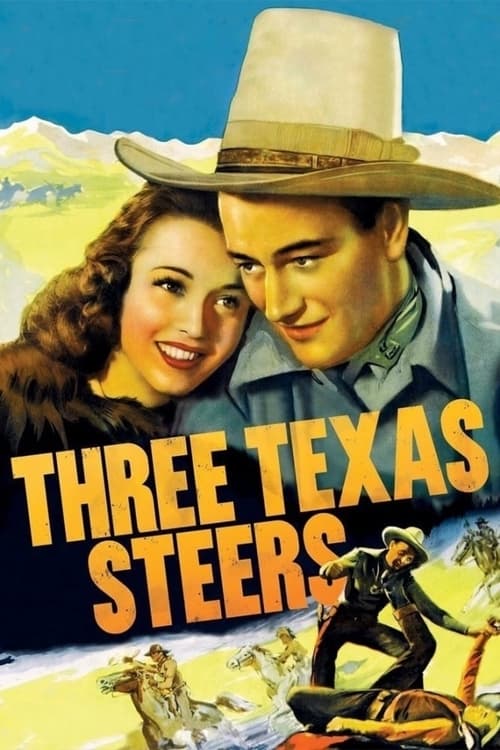
1939
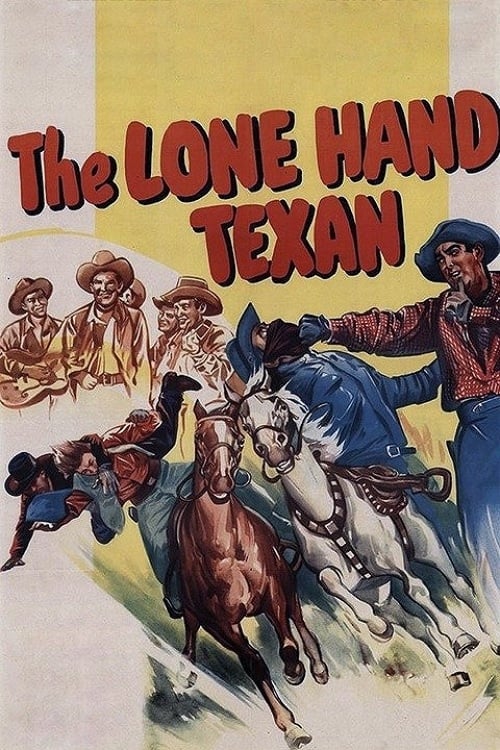
1947
1934
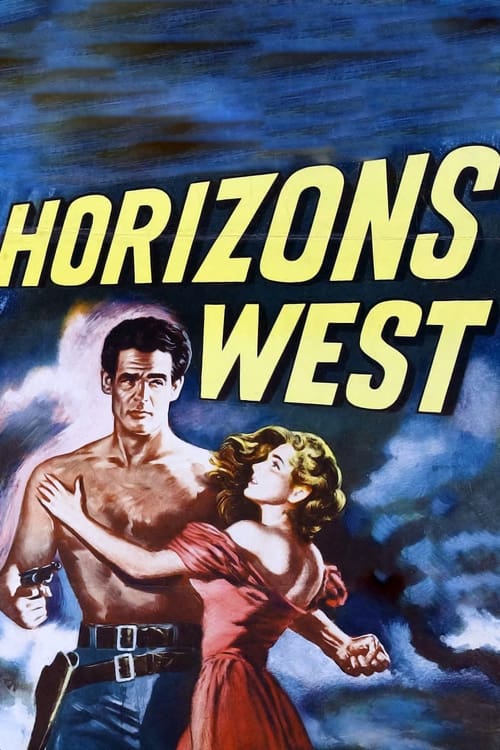
1952
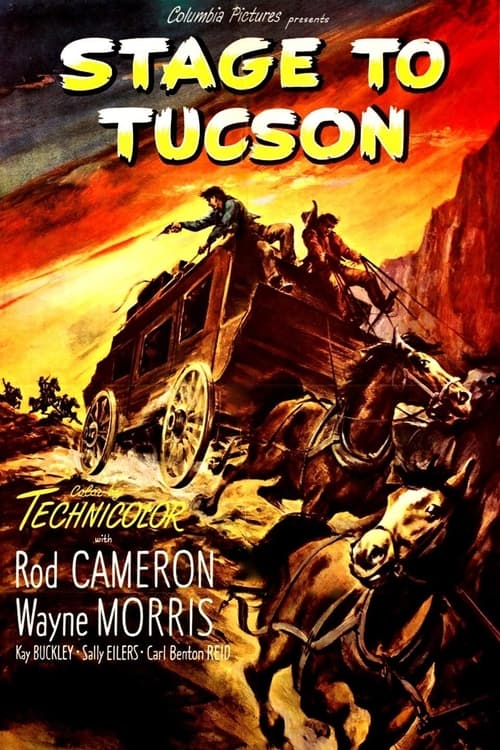
1950
1941
No reviews yet. Be the first to share your thoughts on this movie!
Use the rating form above to leave a star rating and optional review.