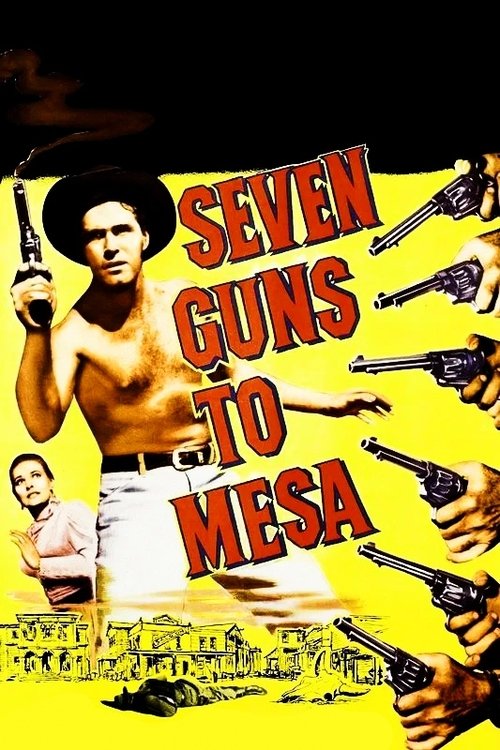
Seven Guns to Mesa
1958
No user ratings available yet
Representation score: 1.7 out of 10
Representation Score
Minimal
1956
NRDirector
William F. Claxton
Runtime
75 minutes
Average Rating
No ratings yetNew Showbiz Analysis
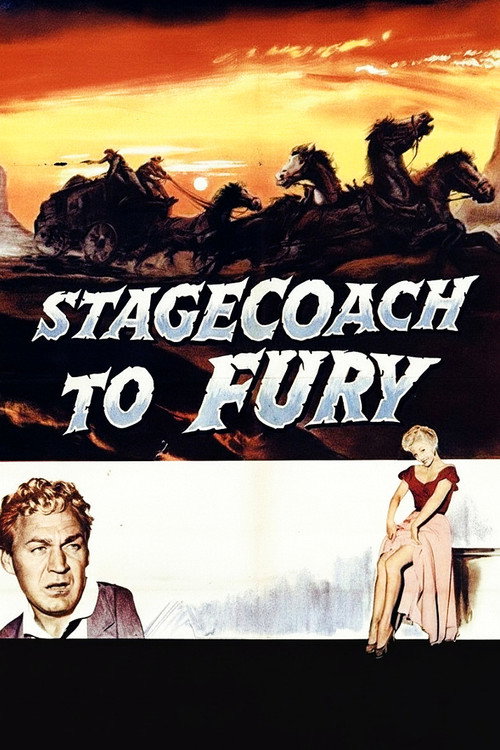
Stagecoach To Fury is a conventional mid-century Western that prioritizes established genre clichés. The plot centers on a high-stakes hostage situation involving bandits and a gold shipment, a framework that historically favors clear-cut moral binaries and traditional conflict archetypes. The film functions as a product of its time, reflecting the social hierarchies and structural conventions of the 1950s. It lacks the narrative structure needed to challenge cultural norms or provide multi-layered representation. Ultimately, the film serves as a standard genre piece that reinforces the status quo of the mid-20th century Western landscape.
Category Breakdown
The film follows the strict assumptions typical of 1950s Westerns, where everyone is assumed to be straight and cisgender. There is no evidence of characters with diverse gender identities or critiques of social hierarchies.
The narrative likely emphasizes traditional masculine leadership and control. Female characters often play passive or domestic roles within the genre framework of the time.
The production likely reflects the era's tendency toward homogeneous casting. It risks using actors from underrepresented groups in stereotypical roles without providing nuanced representation.
The story emphasizes traditional Western values like law, order, and property. It reinforces conventional morality without offering a critique of established institutions.
There is no evidence regarding the inclusion or portrayal of characters with visible or invisible disabilities.
Present on Screen
Limited or Absent
Official Synopsis
A group of stagecoach passengers are held hostage by bandits waiting for a shipment of gold they plan to steal.
1958
1969
1962
1960
1951
1967

1948

1957
No reviews yet. Be the first to share your thoughts on this movie!
Use the rating form above to leave a star rating and optional review.