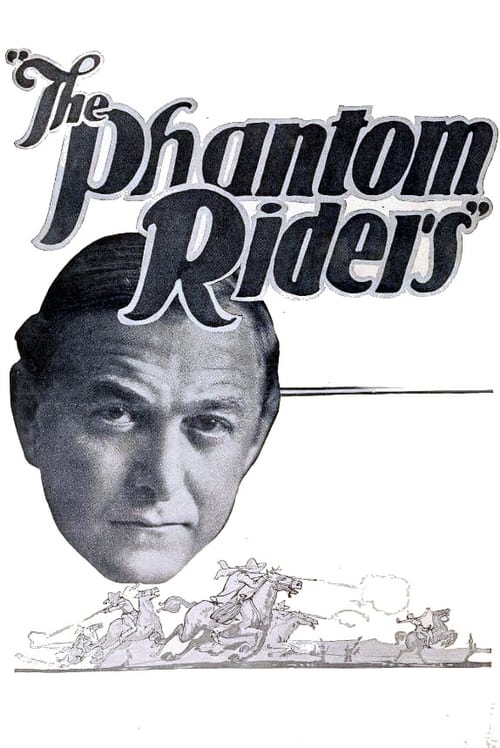
The Phantom Riders
1918
No user ratings available yet
Representation score: 1.7 out of 10
Representation Score
Minimal
1917
NRDirector
John Ford
Runtime
62 minutes
Average Rating
No ratings yetNew Showbiz Analysis
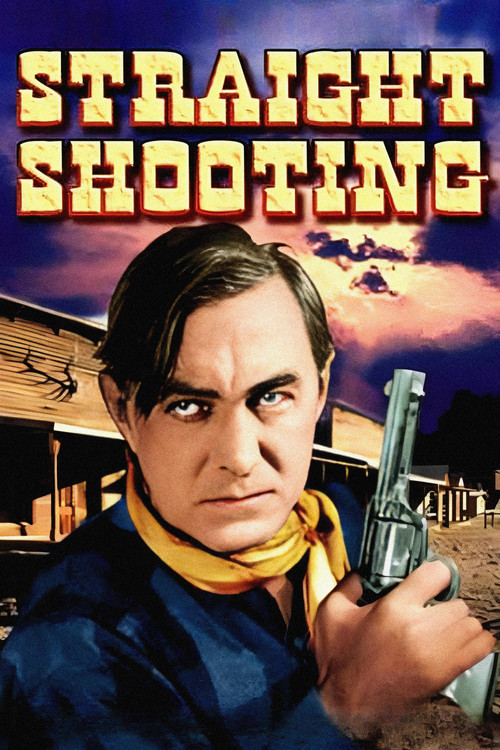
Straight Shooting is a classic Western that upholds traditional social structures. The narrative explores the tension between individual morality and frontier lawlessness, but it does so without challenging established norms of identity. While Cheyenne’s moral shift provides a personal redemption arc, the film does not offer a broader critique of societal power dynamics. Instead, it focuses on localized conflicts and masculine archetypes.
Category Breakdown
The film strictly follows traditional gender roles and sexual orientations. It does not include any characters with non-binary genders or same-sex relationships.
The story revolves around male-dominated conflicts between cattlemen and farmers. Women play minimal roles in the main storyline.
The film portrays a society with very few non-white characters. These characters are not central to the main storyline.
The story centers on the expansion of Western civilization and frontier justice. It presents moral growth as personal journeys rather than critiques of systemic issues.
The film does not depict any characters with physical, sensory, or neurodevelopmental differences. Characters are defined by their physical abilities and survival skills.
Present on Screen
Limited or Absent
Official Synopsis
Cattleman Flint cuts off farmer Sims' water supply. When Sims' son Ted goes for water, one of Flint's men kills him. Cheyenne is sent to finish off Sims, but finding the family at the newly dug grave, he changes sides.
1918
1958
1939
1940
1934
1976
1940
1920
No reviews yet. Be the first to share your thoughts on this movie!
Use the rating form above to leave a star rating and optional review.