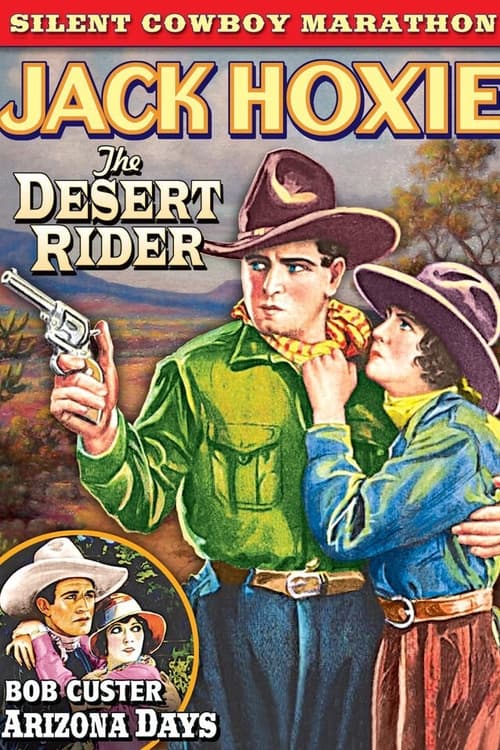
The Desert Rider
1929
No user ratings available yet
Diversity score: 2.5 out of 10

1935
PassedDirector
David Selman
Runtime
60 minutes
Average Rating
No ratings yetSynopsis
Cowboy Tim McCoy becomes an instrument of revenge when he discovers his parents have been killed.
Overall Score
Minimal
Category Breakdown
LGBTQ+ Representation
The film contains no evidence of LGBTQ+ characters or non-heteronormative identities. It adheres to the cinematic standards of 1935 by omitting these narratives entirely.
Gender Representation
The story centers on Tim McCoy, a male protagonist driven by vengeance. Female characters appear to lack agency, likely occupying passive or secondary roles within the traditional gender hierarchy.
Racial & Ethnic Diversity
The narrative follows a standard Western framework that emphasizes an Anglo-Saxon hero. There is no indication of diverse casting or non-white characters possessing significant agency.
Religious & Cultural Diversity
The film utilizes a traditional motif of frontier justice and individualistic morality. It reinforces conventional social structures rather than exploring anti-institutional or complex cultural themes.
Disability Representation
There is no mention of characters navigating physical, sensory, or neurodivergent experiences. The plot focuses strictly on the mechanics of the revenge cycle.
Strengths
Areas for Improvement
AI Analysis
The Revenge Rider is a quintessential 1935 Western that prioritizes a singular, masculine revenge arc. The narrative structure is built around the traditional hero's journey, focusing on Tim McCoy's personal retribution following the death of his parents. Because the film relies on established genre tropes of the era, it lacks intersectional complexity. The representation is homogeneous, favoring Anglo-Saxon protagonists and traditional gender roles that relegate women to the periphery of the action. Ultimately, the film functions as a period-typical genre piece. It reinforces the social hierarchies and moral frameworks common to mid-1930s cinema without attempting to subvert them or include diverse perspectives.
1929
1934
1957
1933
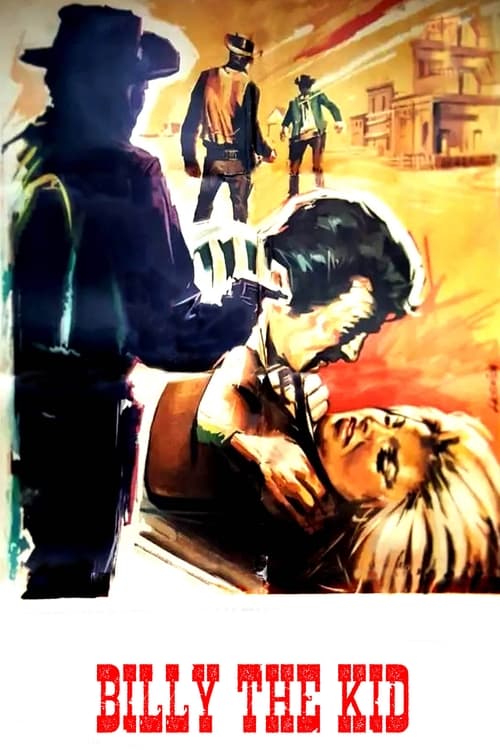
1964
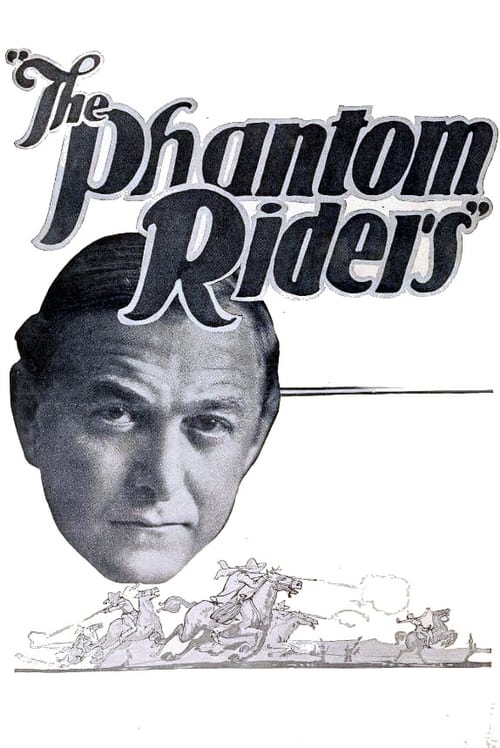
1918
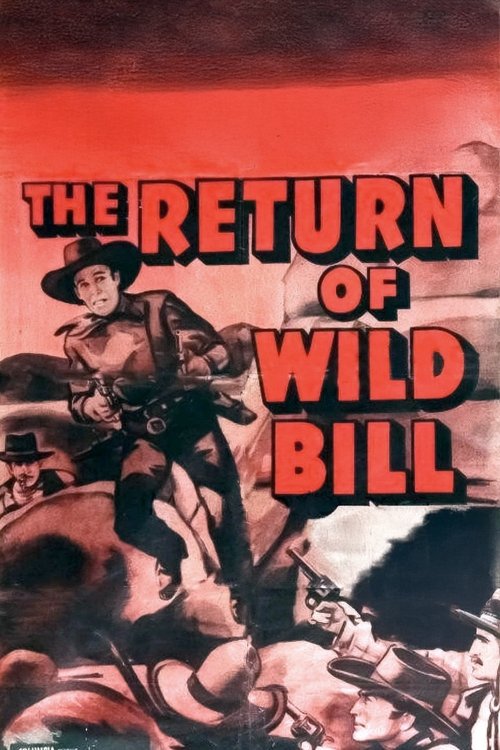
1940
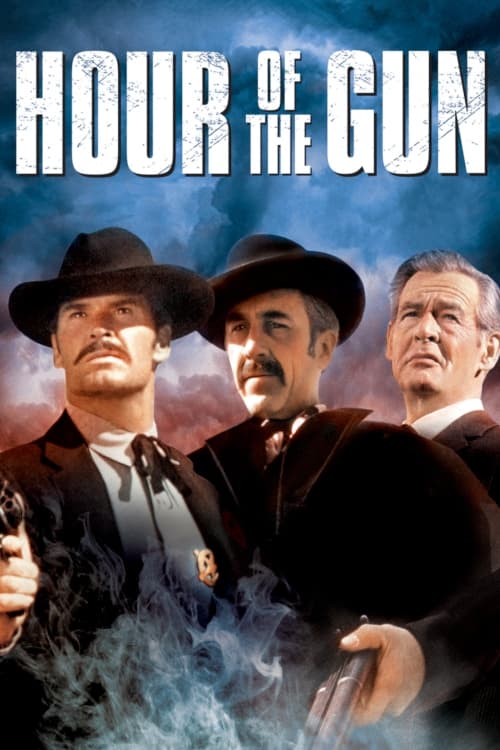
1967
1957
1931
1954
1945
No reviews yet. Be the first to share your thoughts on this movie!
Use the rating form above to leave a star rating and optional review.