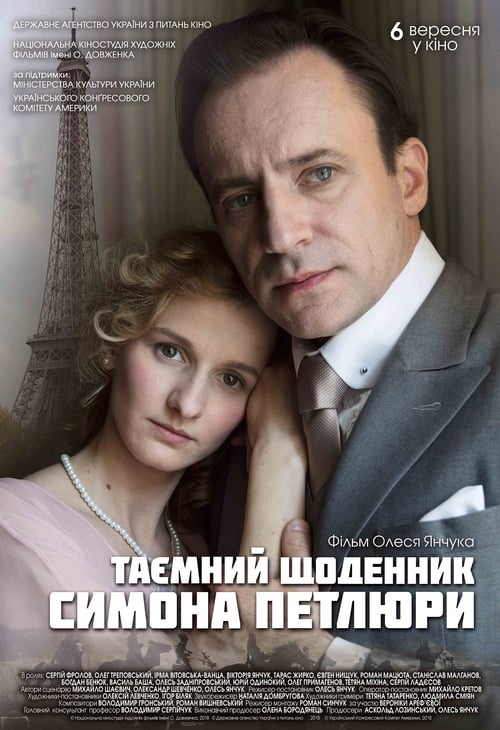
The Secret Diary of Symon Petliura
2018
No user ratings available yet
Representation score: 5.6 out of 10

Representation Score
Good
2014
Director
Oles Sanin
Runtime
120 minutes
Average Rating
No ratings yetNew Showbiz Analysis
The Guide is a sophisticated historical drama that explores post-colonial themes and ethnic ability to act. By focusing on the Ukrainian struggle against Soviet collectivization, it provides a rich, culturally specific narrative that resists imperial homogenization. The film also offers a nuanced portrayal of disability through Ivan, the blind minstrel, who serves as a vital guide rather than a figure of pity. This adds a layer of complexity to the character dynamics and the film's exploration of sensory experience. However, the film's scope is limited by its historical setting, resulting in a lack of LGBTQ+ representation and a reliance on traditional gender roles. While these elements reflect the era's social fabric, they limit the film's modern diversity profile.
Category Breakdown
The film does not include any LGBTQ+ characters or identities. The narrative centers on communal and familial survival during a period of political repression.
Women are shown as strong, supportive pillars of community and family stability. They play significant roles in driving the story, but traditional gender roles are still prominent.
The film emphasizes Ukrainian identity and resists the homogenizing force of the Soviet state. It tells a powerful post-colonial story that prioritizes regional ethnic experiences.
The story highlights the tension between state-mandated atheism and the spiritual traditions of the peasantry. It portrays the struggle for cultural autonomy as resistance against systemic corruption.
Ivan, a blind minstrel, is portrayed with nuance and ability to act. His disability is integrated into his identity as a storyteller and guide, adding depth to the character.
Present on Screen
Limited or Absent
Official Synopsis
American boy Peter and blind minstrel Ivan are thrown together by fate amidst the turbulent mid-30s Soviet Ukraine.
2018
2020
2019
1990

2014
1969
1939
2017
No reviews yet. Be the first to share your thoughts on this movie!
Use the rating form above to leave a star rating and optional review.