
Agony: The Life and Death of Rasputin
1981
No user ratings available yet
Representation score: 4.0 out of 10
Representation Score
Fair
1991
Not RatedDirector
Karen Shakhnazarov
Runtime
98 minutes
Average Rating
No ratings yetNew Showbiz Analysis
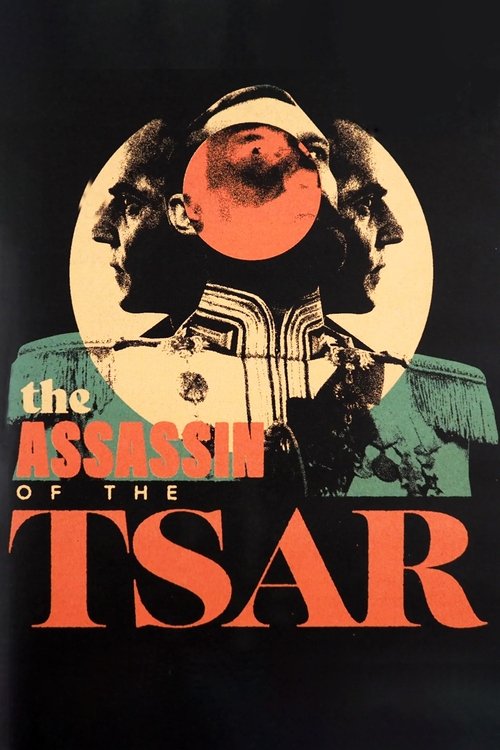
Assassin of the Tsar is a sophisticated historical deconstruction that prioritizes philosophical inquiry over traditional heroism. It uses psychological ambiguity to challenge the sanctity of established social orders and monarchical institutions. However, the film lacks modern identity-based representation. The narrative is heavily centered on male perspectives, and there is a complete absence of LGBTQ+ characters or subtext. Ultimately, the film's strength lies in its cultural and philosophical subversion rather than its breadth of social representation.
Category Breakdown
The film focuses on psychological tension within a historical revolutionary framework. There is no evidence of LGBTQ+ characters or narratives addressing non-straight identities.
The film operates within a male-dominated landscape defined by political upheaval. ability to act is largely concentrated in male figures, specifically the doctor and the patient.
The cast reflects the multi-ethnic composition of the late Soviet era. It avoids a monolithic Western lens, focusing instead on the internal ethnic complexities of the Eurasian landscape.
The narrative critiques traditional monarchical institutions and the old imperial order. It explores the transition from aristocracy to a revolutionary proletariat through a lens of systemic upheaval.
Neurodivergence serves as a central narrative driver. The patient's psychological state is not a passive trait but a catalyst for the protagonist's own mental unraveling.
Present on Screen
Limited or Absent
Official Synopsis
A new doctor from Moscow arrives at a provincial mental institution. His interest is the peculiarities of the psyche of a patient who believes that he is Yakov Yurovsky, the man who assassinated the last Russian tsar. In the course of their conversations it transpires that the patient is a kind of philosopher, not without a gift for suggestion. In a while the doctor himself falls under his patient’s influence: he tends to relive that fatal night of June 16-17, 1918 when, without any investigation or trial, Tsar Nicholas II, who had recently abdicated, was murdered, together with his wife, daughters and incurably ill heir. Soon the doctor realizes that the tragedy of the last Russian tsar is in part his own tragedy, too...
1981

1958
1938
2020
2000
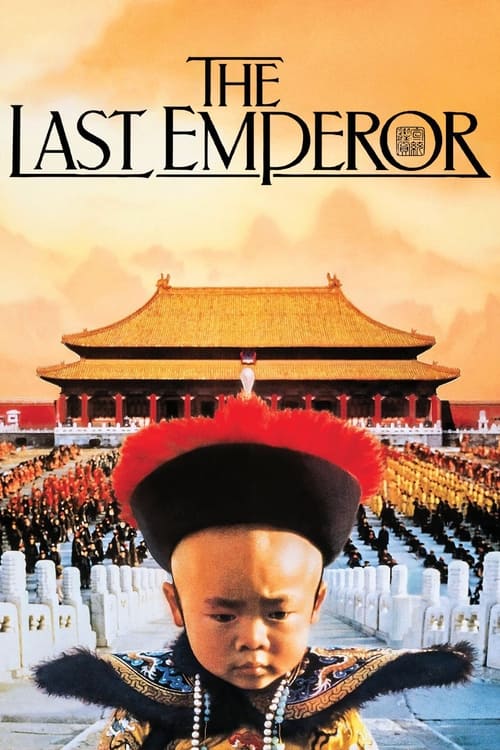
1987
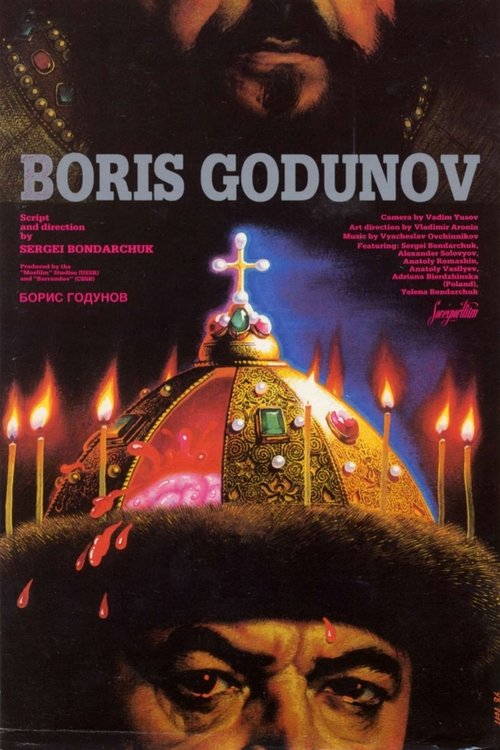
1986
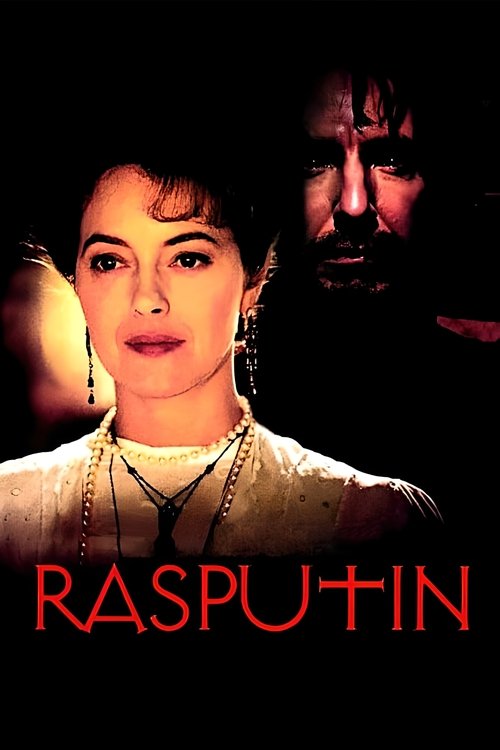
1996
No reviews yet. Be the first to share your thoughts on this movie!
Use the rating form above to leave a star rating and optional review.