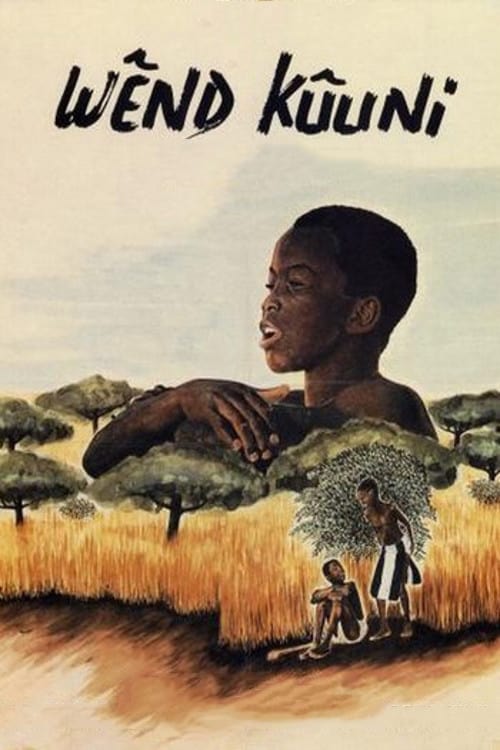
God's Gift
1983
No user ratings available yet
Representation score: 8.8 out of 10

Representation Score
Fair
1997
Director
Gaston Kaboré
Runtime
97 minutes
Average Rating
No ratings yetNew Showbiz Analysis
Buud Yam is a significant work of cinematic decolonization that centers an African experience without catering to a Western audience. Its primary strength lies in its profound commitment to racial and cultural authenticity, reclaiming ability to act through indigenous perspectives and local landscapes. The film excels at disrupting Eurocentric storytelling hierarchies by presenting a self-contained world. It explores complex themes of identity and migration through the tension between tradition and modernization. However, the narrative remains rooted in historical social structures, which limits its engagement with modern identity politics. While it avoids harmful stereotypes, it does not actively challenge traditional gender roles or include LGBTQ+ representation.
Category Breakdown
The film focuses on kinship and communal survival within a historical context. There is no depiction of non-straight or non-cisgender identities or same-sex relationships.
Women play domestic and spiritual roles within the 19th-century social structure. Though they don't drive the main plot, the film avoids negative stereotypes by showing respect towards them.
The film features an entirely African cast and setting, providing exceptional representation. It successfully shifts the focus away from Western-centric narratives to highlight a Burkinabé perspective.
The story emphasizes indigenous knowledge systems over Western ones. It examines the impact of modernization and urbanization on traditional social cohesion and communal values.
The film uses illness as a catalyst for the protagonist's journey of self-discovery. Physical vulnerability is portrayed as a genuine human condition rather than a mere plot device.
Present on Screen
Limited or Absent
Official Synopsis
In an early 19th century African village, Wend Kuuni – a young man, lives with his adopted family after his mother was killed as a witch. When Pughneere – his adopted sister – becomes ill, the villagers suspect Wend Kuuni. In order to save Pughneere's life (and his own) he must set out on a journey to find a healer. His quest brings him in contact with people around him and is a journey of self-discovery.
1983
1962
1984
2010
1989

1988
1987
2002
No reviews yet. Be the first to share your thoughts on this movie!
Use the rating form above to leave a star rating and optional review.