The Lark Farm
2007
No user ratings available yet
Representation score: 6.4 out of 10
Representation Score
Good
2014
Not RatedDirector
Fatih Akin
Runtime
138 minutes
Average Rating
No ratings yetNew Showbiz Analysis
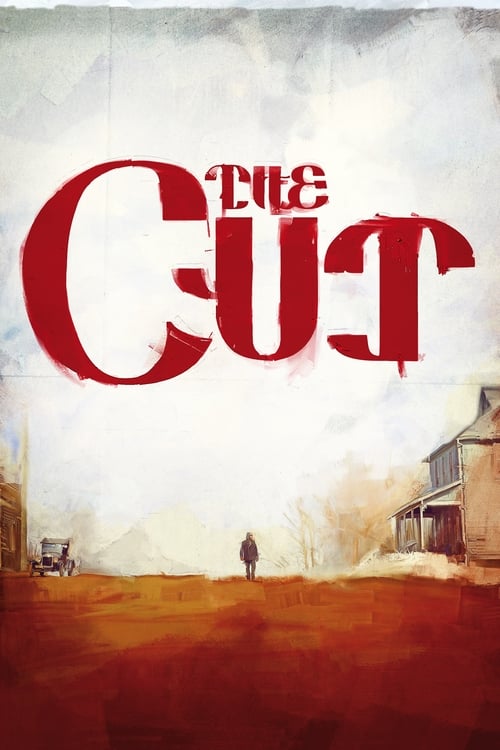
The Cut is a visceral historical drama that successfully deconstructs imperialist power and ethnic erasure. By centering the Armenian experience, it disrupts Western-centric historical narratives through a diverse, multinational cast. However, the film is constrained by its hyper-masculine setting, which limits gender diversity and LGBTQ+ representation. Ultimately, the film's strength lies in its critique of imperialist institutions and the exploration of systemic violence through physical and communicative losses.
Category Breakdown
The film focuses on a hyper-masculine, survivalist environment where there are no LGBTQ+ characters or representations of non-straight identities.
The perspective is predominantly male, reflecting the patriarchal structures of the early 20th century. Although the protagonist searches for his daughters, the film is dominated by male figures.
The film stands out by focusing on an Armenian survivor and a multinational marching unit, avoiding a monolithic view and highlighting the diverse victims of imperialist machinery and localized ethnic suffering.
The narrative criticizes religious institutions through the protagonist's loss of faith. It portrays state and military apparatuses as predatory entities rather than protectors of social order.
The protagonist’s loss of speech serves as a powerful symbol of systemic violence, offering a nuanced look at how trauma affects an individual's ability to communicate.
Present on Screen
Limited or Absent
Official Synopsis
In 1915, a man survives the Armenian genocide in the Ottoman Empire, but loses his family, speech and faith. One night, he learns that his twin daughters may be alive, and goes on a quest to find them.
2007
2014
2002

2014

2017

2018
1988

2017
No reviews yet. Be the first to share your thoughts on this movie!
Use the rating form above to leave a star rating and optional review.