Assassin of the Tsar
1991
No user ratings available yet
Diversity score: 5.0 out of 10
1982
Director
Bahram Beyzai
Runtime
113 minutes
Average Rating
No ratings yetSynopsis
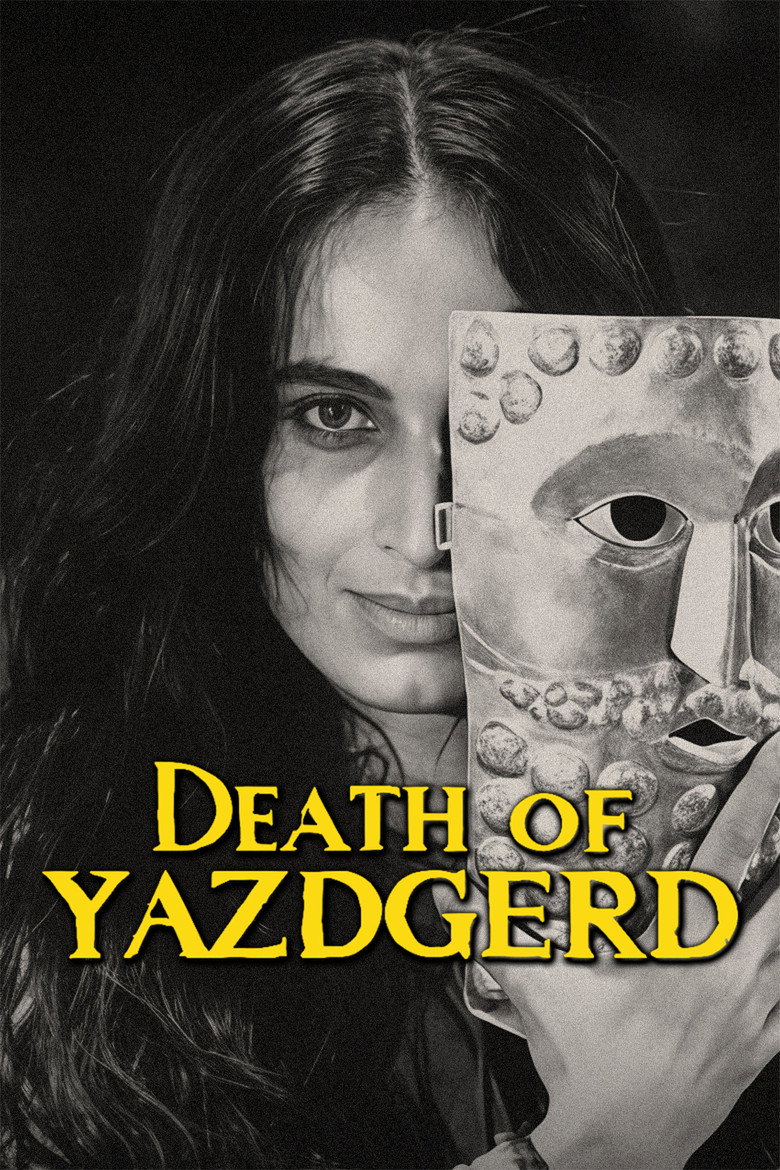
Bahram Beyzai's poetic imagining of the circumstances that led to the death of Yazdgerd III, the last of the Sassanid kings of Iran. His death in 651, during the Arab invasions that brought Islam to this Zoroastrian realm, was mysterious: his corpse was discovered in a mill, but the cause of his death—and the whereabouts of his remains—are unknown.
Overall Score
Fair
Category Breakdown
LGBTQ+ Representation
The film lacks explicit LGBTQ+ identities or non-heteronormative romantic arcs. The narrative focuses instead on the political and existential crises of a collapsing empire.
Gender Representation
Women occupy central, enigmatic roles that disrupt conventional domestic hierarchies. They act with agency amidst political chaos rather than serving as passive background figures.
Racial & Ethnic Diversity
The story centers the Persian Sassanian experience and Zoroastrian landscape. It provides a non-Western perspective that critiques the tension between indigenous culture and foreign conquest.
Religious & Cultural Diversity
The film deconstructs official history by prioritizing subjective truth over state-sanctioned morality. It presents the transition of power as a complex, violent, and systemic shift.
Disability Representation
There is no intentional focus on visible or invisible disabilities. Character struggles are primarily defined by existential and political exhaustion rather than physical or neurodivergent impairments.
Strengths
Areas for Improvement
AI Analysis
Death of Yazdgerd is a sophisticated deconstruction of historical certainty. It moves away from traditional 'great man' theories to examine the systemic dissolution of the Sassanid Empire through a fragmented, multi-perspective lens. The film excels in its cultural and ethnic positioning, offering a profound post-colonial critique of the Arab conquest. By centering the Zoroastrian landscape, it elevates the agency of a displaced indigenous civilization. However, the film's demographic breadth is limited by its historical setting. While it subverts power structures, it offers little representation regarding LGBTQ+ identities or specific disability narratives.
1991
2012
1984
2017
2014
2009
1969
1998
1954
2015
2014
2014
No reviews yet. Be the first to share your thoughts on this movie!
Use the rating form above to leave a star rating and optional review.