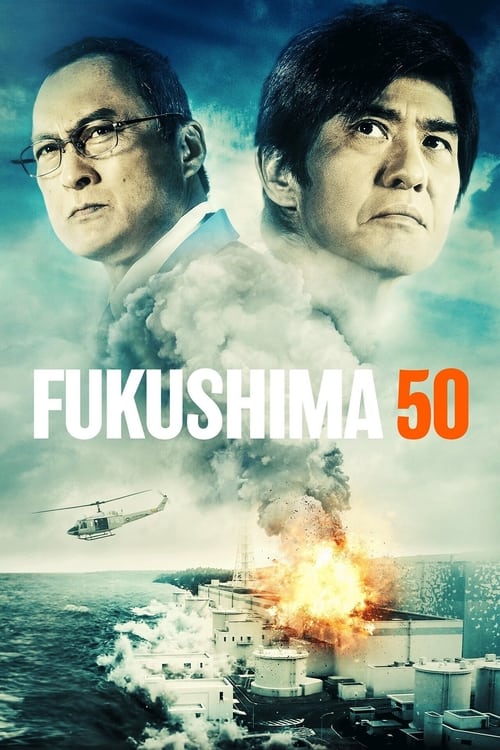
Fukushima 50
2020
No user ratings available yet
Diversity score: 5.3 out of 10

2014
Director
Ravi Kumar
Runtime
103 minutes
Average Rating
No ratings yetSynopsis
Thirty years on from the 1984 Union Carbide plant malfunction, the consequences of which are tragically ongoing, A Prayer for Rain is the powerful and moving story of the Bhopal tragedy, one of the great corporate and environmental scandals of the last half-century. It dramatises the dependence of the local community on the chemical plant that will eventually cause catastrophe, and the series of oversights that led to an event that stands as a benchmark for corporate irresponsibility in the developing world.
Overall Score
Good
Category Breakdown
LGBTQ+ Representation
The film lacks explicit LGBTQ+ character arcs or non-heteronormative narratives. It focuses primarily on the communal and familial structures of the local Indian population.
Gender Representation
The narrative centers on the domestic and communal impact of the chemical leak. It likely portrays families navigating traditional gender roles under extreme duress.
Racial & Ethnic Diversity
The film excels by centering a non-Western, South Asian narrative. It provides high agency to the local Bhopal community, disrupting Western-centric disaster tropes.
Religious & Cultural Diversity
The story offers a strong critique of industrial capitalism and Western corporate institutions. It highlights the tension between global economic interests and local survival.
Disability Representation
The subject matter inherently involves depictions of physical trauma and long-term health complications. Representation is driven by the historical reality of the chemical disaster.
Strengths
Areas for Improvement
AI Analysis
A Prayer for Rain is a powerful historical drama that centers the lived experiences of the Indian populace during the Bhopal tragedy. By focusing on the local community rather than a Western perspective, the film successfully challenges traditional corporate and colonial hierarchies. The film's primary strength is its commitment to a post-colonial viewpoint, framing the disaster as a systemic failure of global capitalism. This provides significant agency to the South Asian characters and critiques the power dynamics between the Global North and South. However, the film lacks diversity in terms of LGBTQ+ representation and specific neurodivergent or queer narratives. While the physical trauma of the disaster necessitates depictions of disability, the film's focus remains largely on the systemic and communal aspects of the crisis.
No reviews yet. Be the first to share your thoughts on this movie!
Use the rating form above to leave a star rating and optional review.