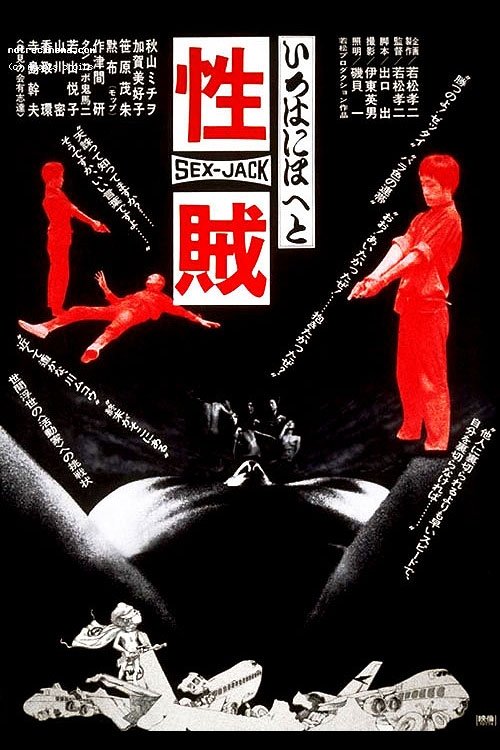
Sex Jack
1970
No user ratings available yet
Representation score: 4.4 out of 10
Representation Score
Excellent
1969
Director
Kōji Wakamatsu
Runtime
78 minutes
Average Rating
No ratings yetNew Showbiz Analysis
Season of Terror is a transgressive work of the Japanese New Wave that prioritizes psychological deconstruction over traditional morality. It succeeds in challenging gendered archetypes by giving female characters significant, albeit volatile, influence. This disrupts the social stability of the era through a lens of obsession. However, the film's approach to mental health is primarily atmospheric. It utilizes psychological fragmentation to build tension rather than offering deeper, lived experiences of neurodivergence. While the film is culturally authentic to its period and setting, it lacks specific LGBTQ+ visibility and ethnic diversity. It remains a homogeneous, culturally specific study of radicalism and social rebellion.
Category Breakdown
The film focuses on sexual obsession and the breakdown of interpersonal boundaries. However, it lacks explicit representations of non-straight gender identities or specific LGBTQ+ narratives, centering instead on the volatility of desire.
The narrative disrupts conventional femininity by centering a female protagonist with intense, destructive influence. Women are portrayed through psychological volatility to challenge traditional stereotypes.
The film features a predominantly Japanese cast, maintaining a homogeneous ethnic profile. It serves as a culturally authentic representation of its specific 1960s Japanese milieu.
Deeply rooted in nihilism, the film rejects singular moralities for subjective ethics. It uses anti-social behavior to express rebellion against a restrictive social fabric and urban fragmentation.
Psychological instability is used as a narrative tool to explore existential dread. This approach risks treating mental distress as a stylistic device rather than a nuanced, lived experience.
Present on Screen
Limited or Absent
Official Synopsis
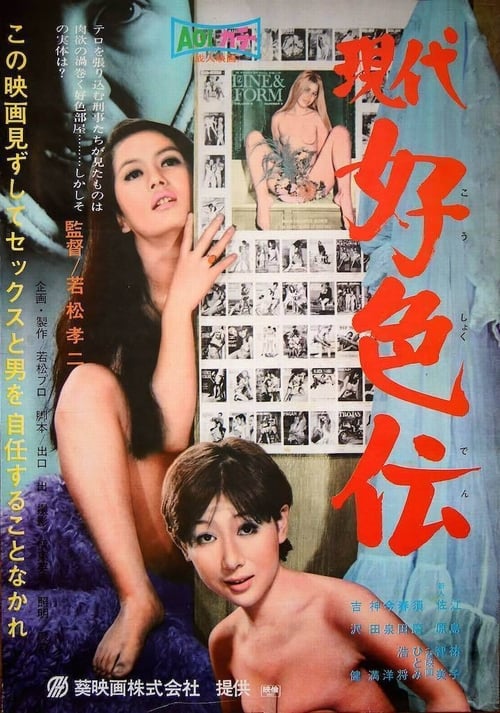
From an apartment belonging to a single woman, two detectives spy on sex-obsessed radical.
1970

1978

1966

1969

1967
1977

1966

1965
No reviews yet. Be the first to share your thoughts on this movie!
Use the rating form above to leave a star rating and optional review.