The Heartbreak Kid
1972
No user ratings available yet
Representation score: 4.4 out of 10
Representation Score
Limited
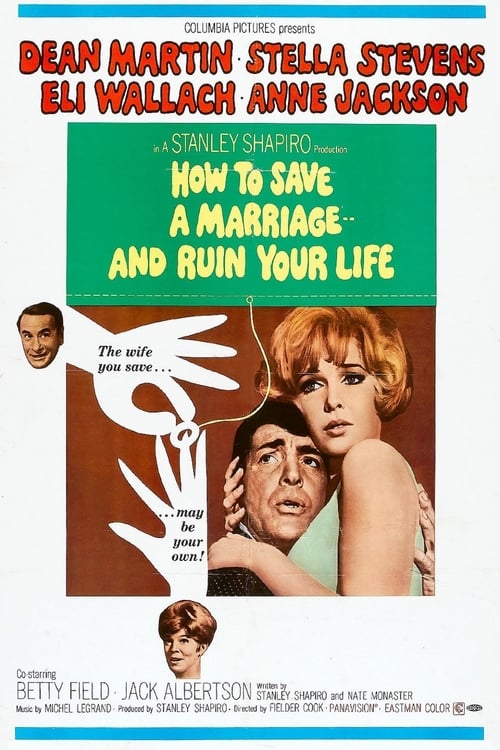
1968
PG-13Director
Fielder Cook
Runtime
102 minutes
Average Rating
No ratings yetNew Showbiz Analysis
The film follows the conventions of a mid-century comedy of errors centered on marital infidelity. It adheres to the social norms of the time, lacking significant representation of racial or LGBTQ+ identities. However, it offers a nuanced subversion of gender roles by giving female characters a significant role in driving the story in the latter part of the story. Ultimately, the work prioritizes interpersonal domestic comedy over broader systemic critiques, staying true to the traditional casting and narrative conventions of its era.
Category Breakdown
The film centers on heterosexual relationships and infidelity, with no indication of queer subtext or non-cisgender identities.
Initially focused on male-driven schemes, the narrative shifts to give the women significant roles. Carol and Muriel evolve from passive objects to active agents who unite against the men.
The cast is predominantly white, with no visible efforts to include diverse ethnic backgrounds.
The story critiques traditional marriage through infidelity and dysfunction, focusing on social norms rather than a broader systemic critique.
There are no characters with visible or invisible disabilities, and disability is not used as a narrative device.
Present on Screen
Limited or Absent
Official Synopsis
Wealthy playboy David Sloane wrongly believes good girl Carol Corman is his best friend's mistress.
1972

1960

1967
1959
1948

1969

1961
1964
No reviews yet. Be the first to share your thoughts on this movie!
Use the rating form above to leave a star rating and optional review.