
Too Shy to Try
1978
No user ratings available yet
Representation score: 4.7 out of 10
Representation Score
Fair
1971
Director
Larry Kent
Runtime
81 minutes
Average Rating
No ratings yetNew Showbiz Analysis
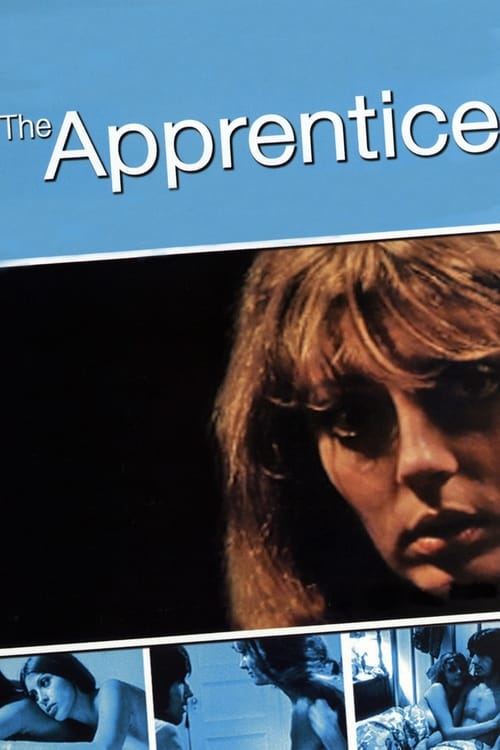
The Apprentice serves as a counter-cultural exploration of sexual liberation and moral relativism. It successfully challenges traditional social roles, especially by having the male protagonist reject domestic responsibilities in favor of hedonistic pursuits. However, the film's scope is limited, operating within a predominantly straight and Western framework without the depth of more diverse modern cinema. Ultimately, the film focuses on class and social mobility, emphasizing individual rebellion over a broad representation of human identity.
Category Breakdown
The film does not include any explicit LGBTQ+ characters or non-straight relationships. The central romantic storyline focuses solely on a male protagonist and two female characters.
Elizabeth challenges traditional domestic roles through her independent spirit. The narrative shifts the male protagonist's role away from provider to prioritize pleasure over stability.
The cast primarily reflects Western demographics from 1971 Montreal. Despite traveling to Acapulco, the main character arcs do not significantly explore racial diversity.
The story questions traditional institutions by showing stable partnerships as confining. It highlights personal freedom through social defiance and the rejection of capitalist stability.
There are no visible or mentioned depictions of physical or cognitive disabilities in the narrative.
Present on Screen
Limited or Absent
Official Synopsis
In Montréal, Jean-Pierre is fired on the set of a TV commercial where he's an apprentice technician. He's penniless, behind on his rent, with a thin resume and no college units. He has a fiancée, Michelle, but his head is turned by a free-spirited model, from the U.S., who saw him being fired and comes to his flat to apologize. She's Elizabeth, a combination of feckless innocence and sexual freedom. Jean-Pierre borrows money from his outlaw friend, Dock, and buys clothes to impress Elizabeth. Soon he's sleeping with her, and he pulls a theft with Dock to get money to take her to Acapulco. Michelle tries to bring him back to her orbit. Is there a way out for Jean-Pierre?
1978

1972

1969

1963

1967

1965
1957

1979
No reviews yet. Be the first to share your thoughts on this movie!
Use the rating form above to leave a star rating and optional review.