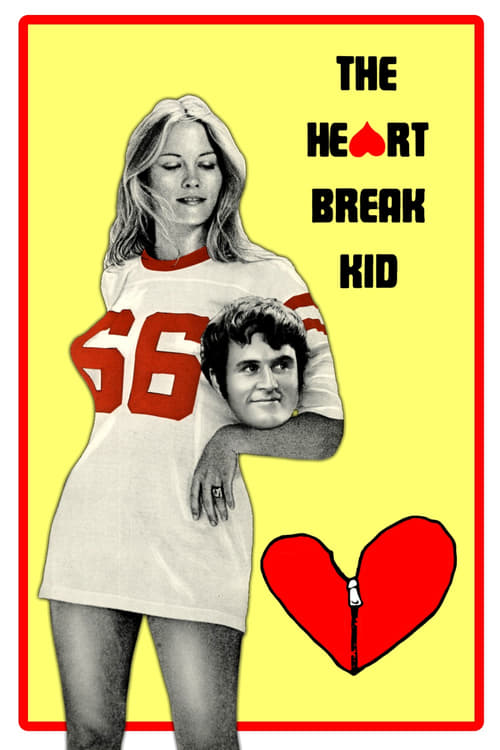
The Heartbreak Kid
1972
No user ratings available yet
Representation score: 4.4 out of 10
Representation Score
Fair
1967
ApprovedDirector
Clive Donner
Runtime
93 minutes
Average Rating
No ratings yetNew Showbiz Analysis
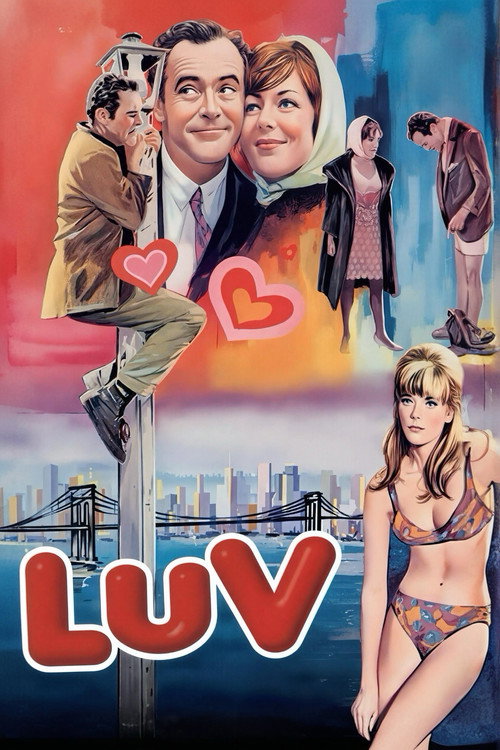
Luv captures the social changes of the Swinging Sixties, focusing on the instability of modern interpersonal relationships. It moves away from rigid traditionalism by exploring the tension between old and new ways of living. However, the film remains limited by the social norms of its time. It lacks significant diversity, particularly in terms of race, LGBTQ+ identities, and systemic critiques of capitalism. Ultimately, Luv is a transitional work that challenges traditional marriage through character conflict while staying rooted in a homogeneous, middle-class setting.
Category Breakdown
The film focuses solely on heterosexual relationships and love triangles. There are no non-binary gender identities or same-sex relationships among the characters.
Female characters break the passive lead cliché by taking control of their romantic lives and emotional well-being. The story highlights the tension between traditional domestic roles and the desire for personal freedom.
The film features a predominantly white cast set in urban London. There is a noticeable absence of diverse racial and ethnic backgrounds among the main characters.
The story emphasizes individual emotional fulfillment over strict adherence to traditional moral codes. However, it remains within a conventional middle-class framework without critiquing Western institutions.
There is no representation of physical or neurological disabilities. Characters face challenges primarily through romantic and psychological issues rather than specific disabilities.
Present on Screen
Limited or Absent
Official Synopsis
Depressed by the direction his life is taking, Harry decides to take his own life by jumping off the Manhattan Bridge. At the last minute he's stopped by old friend Milt Manville, a successful stock broker. Milt, however, is facing his own problem: he has fallen out of love with his argumentative wife, Ellen. In a misguided effort to solve both of their problems, he introduces Ellen to Harry, hoping the two will fall in love.
1972
1967
1968
1964

1941

1969

1961
1964
No reviews yet. Be the first to share your thoughts on this movie!
Use the rating form above to leave a star rating and optional review.