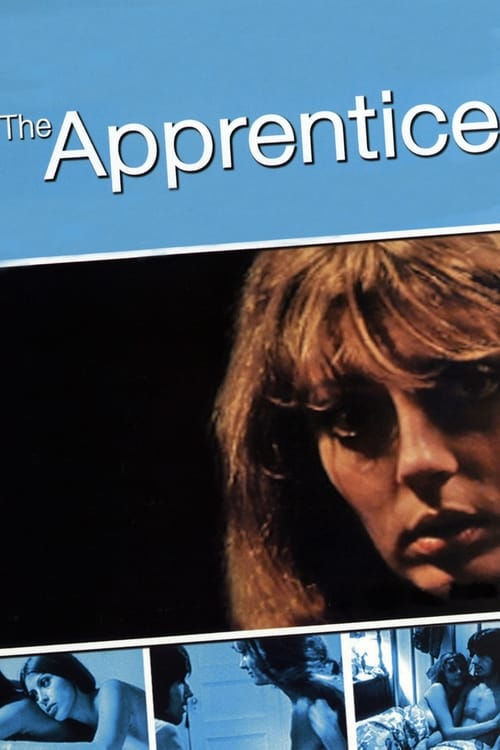
The Apprentice
1971
No user ratings available yet
Representation score: 5.2 out of 10

Representation Score
Minimal
1973
PGDirector
Bud Yorkin
Runtime
104 minutes
Average Rating
No ratings yetNew Showbiz Analysis
The film is a conventional 1970s comedy that prioritizes domestic situational humor over social deconstruction. It reflects the demographic homogeneity and social constraints typical of its era. While the plot introduces a female accomplice, the film adheres to established gender hierarchies. The lack of diverse casting or multi-layered representation results in a narrow social scope. Ultimately, the production functions as a standard period piece that avoids challenging systemic norms or providing representation for underrepresented groups.
Category Breakdown
The film does not include any LGBTQ+ characters or those with non-traditional gender identities. It stays within a traditional romantic-comedy framework that avoids engaging with queer themes.
The narrative follows conventional 1970s domestic comedy clichés. A female accomplice is present, but the film maintains traditional gender hierarchies without challenging them.
The cast lacks significant racial or ethnic diversity. The production presents a homogeneous social environment reflecting typical depictions of middle-class American life.
The story centers on a middle-class domestic setting. It uses criminal archetypes for situational humor without critiquing capitalism or Western institutions.
There is no evidence of characters with visible or invisible disabilities. The film does not engage with neurodivergence or physical disability as plot devices.
Present on Screen
Limited or Absent
Official Synopsis
A computer programmer decides to become a thief. And when he starts making waves, an insurance investigator hounds him. He also meets a woman who becomes his accomplice.
1971

1972
1954

1971

1968

1966

1968

1976
No reviews yet. Be the first to share your thoughts on this movie!
Use the rating form above to leave a star rating and optional review.