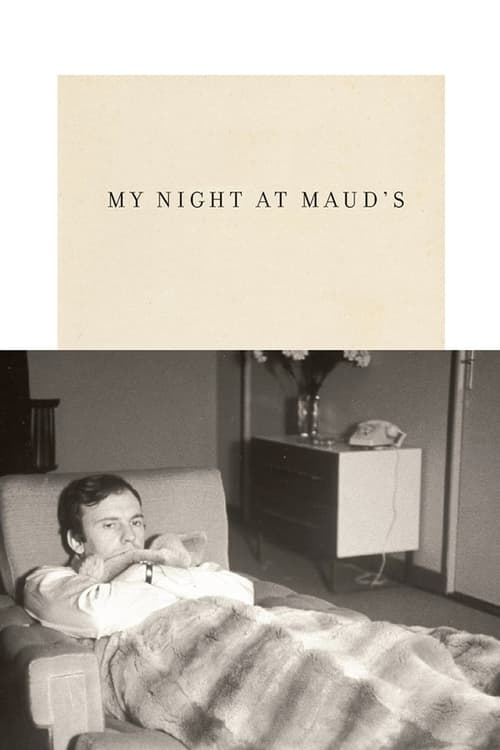
My Night at Maud's
1969
No user ratings available yet
Representation score: 2.8 out of 10

Representation Score
Fair
1968
ApprovedDirector
Robert Ellis Miller
Runtime
114 minutes
Average Rating
No ratings yetNew Showbiz Analysis
Sweet November offers a critique of the rigid capitalist work ethic while challenging traditional gender roles by centering a woman who sets the terms of her romantic engagements. However, the film remains confined to the demographic limits of 1968, lacking diverse representations of LGBTQ+ identities and racial or ethnic diversity. While it provides a nuanced perspective on ability to act and critiques achievement-oriented structures, it relies on period-specific clichés related to medical vulnerability and gendered tragedy.
Category Breakdown
The film adheres to a traditional framework that assumes everyone is straight or cisgender. There are no LGBTQ+ characters or explorations of different gender identities.
Laura challenges traditional gender roles by setting the terms of her relationship and questioning the male lead's rigid lifestyle. However, the story includes tragic clichés often associated with female characters in period dramas.
The story unfolds in a largely homogeneous social environment. The cast lacks significant racial or ethnic diversity, focusing mainly on white, Western characters.
The film criticizes the cult of productivity and corporate capitalism through Laura's anti-materialist lifestyle. It emphasizes personal emotional truth over typical societal milestones and domestic stability.
A significant medical condition drives the plot, which might lean into the 'tragic victim' cliché. Nevertheless, the character maintains psychological complexity and avoids being portrayed solely as a victim.
Present on Screen
Limited or Absent
Official Synopsis
A woman refuses to let her romances last longer than one month.
1969

1957

1966

1972

2015

1992

1995

1969
No reviews yet. Be the first to share your thoughts on this movie!
Use the rating form above to leave a star rating and optional review.