
Love in the Afternoon
1972
No user ratings available yet
Representation score: 2.5 out of 10
Representation Score
Limited
1969
GPDirector
Éric Rohmer
Runtime
110 minutes
Average Rating
No ratings yetNew Showbiz Analysis
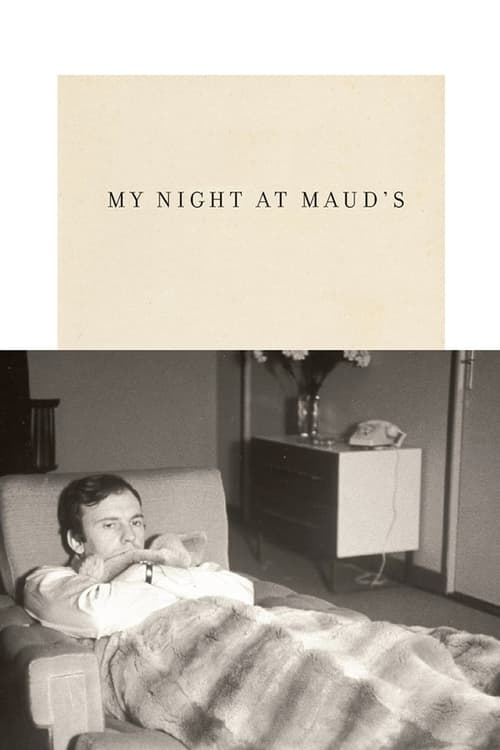
Rohmer’s film is a sophisticated intellectual exercise that prioritizes philosophical inquiry over broad demographic representation. It challenges traditional gender roles by giving the female lead significant influence and authority. However, the film is limited by its narrow social scope, lacking racial and LGBTQ+ representation. Ultimately, the work offers nuanced insights into morality and ethics, despite its homogeneous demographic focus.
Category Breakdown
The film focuses on heterosexual relationships and the philosophy of monogamy. It does not depict same-sex intimacy or non-binary gender identities.
Maud is portrayed as an independent thinker who drives the conversation and makes her own decisions. She plays a significant role in shaping the story with her own moral compass.
The film reflects its 1969 French setting by showing a homogeneous, white, middle-class intellectual community. There is no diverse ethnic representation.
The story explores the tension between Catholic asceticism and Marxist secularism. It presents religious dogma as a source of psychological conflict rather than an absolute moral guide.
There are no visible or invisible disabilities that play a central role in the characters' stories or the overall narrative.
Present on Screen
Limited or Absent
Official Synopsis
Devout Roman Catholic Jean-Louis subscribes to an austere moral code influenced by the philosophy of 17th-century physicist Blaise Pascal. When he spots a pretty girl at church, he promises to one day marry her. But then an old friend introduces him to alluring divorcee Maud. After a conversation about love and credo, the chaste Jean-Louis spends the night at Maud's, conflicted about his desires.
1972

1978

1995
1968
1972

1970

1982
1967
No reviews yet. Be the first to share your thoughts on this movie!
Use the rating form above to leave a star rating and optional review.