Woman to Woman
1929
No user ratings available yet
Representation score: 2.9 out of 10
Representation Score
Limited
1923
PassedDirector
Graham Cutts
Runtime
82 minutes
Average Rating
No ratings yetNew Showbiz Analysis
The narrative is understood through its surviving synopsis, functioning as a classic melodrama centered on the tension between individual desires and rigid social structures of the early 20th century. While Louise is depicted with significant emotional strength, the plot remains tied to the melodramatic conventions of its time. The narrative structure emphasizes romantic tragedy and social adherence, rather than challenging established cultural or identity-based norms.
Category Breakdown
The film centers on a traditional heterosexual romance and does not include any characters with non-binary gender identities or LGBTQ+ narratives.
Louise is shown with significant emotional strength as she balances motherhood and career success. However, the story relies on tragic clichés where female suffering drives the emotional impact.
The setting focuses on a homogeneous Western European cast in London and Paris. There is no indication of racial diversity or non-Anglo-Saxon majority casting.
The story explores themes of subjective morality and systemic misfortune. It adheres to traditional social structures regarding marriage and family, offering little critique of Western institutional norms.
Amnesia serves as a central narrative device, used primarily to separate characters rather than exploring cognitive disabilities in depth.
Present on Screen
Limited or Absent
Official Synopsis
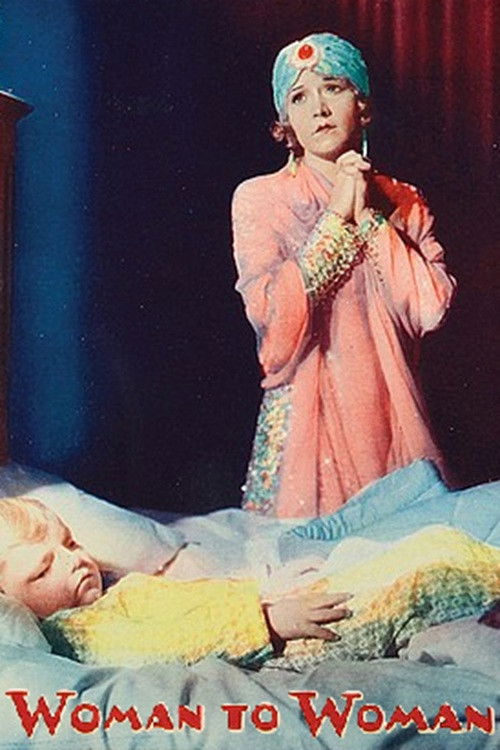
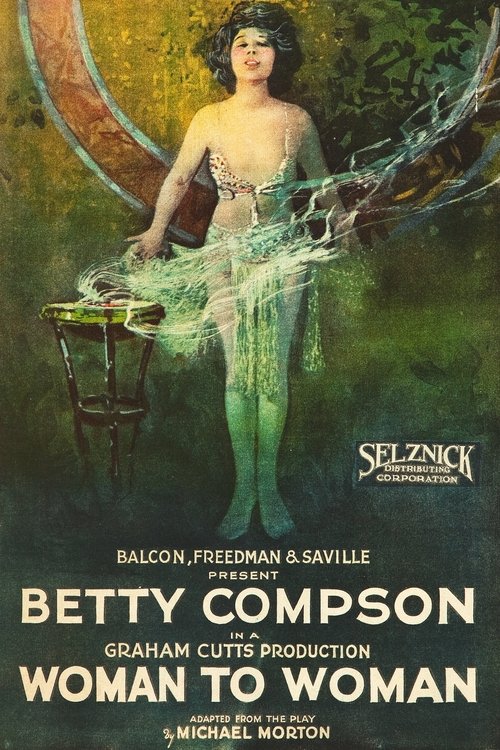
Lost film. David Compton leaves his expecting French girl-friend Louise Boucher, a dancer at the Moulin Rouge, for the war where he looses his memory. Building a new life from scratch after the war, he gets married in London. Louise, now a mother, thinks him dead. She becomes a famous dancer under the name Deloryse but falls gravely ill. One night, as David is in the audience of her show, he recovers his memory. When she learns that David is married to another woman, Louise turns her son in the care of David's new wife and accepting a dancing job at a party, she dies there of exhaustion and sorrow.
1929

1923

1921

1940

1922
1942
1928

1933
No reviews yet. Be the first to share your thoughts on this movie!
Use the rating form above to leave a star rating and optional review.