
Her Private Life
1929
No user ratings available yet
Representation score: 2.1 out of 10
Representation Score
Minimal
1929
NRDirector
Jacques Feyder
Runtime
62 minutes
Average Rating
No ratings yetNew Showbiz Analysis
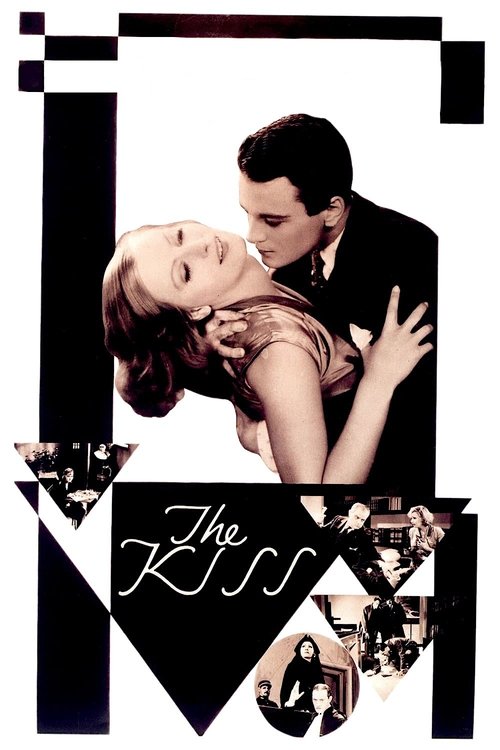
The Kiss is a psychological drama centered on class and romantic tension within its historical context. While it avoids the 'submissive femininity' cliché by focusing on the female protagonist's internal struggles, the film remains deeply rooted in the social hierarchies of early 20th-century Europe. The narrative lacks complexity in reflecting multiple aspects of identity, offering no queer narratives or racial diversity. The homogeneous setting and cast reflect the demographics of a 1920s French village, focusing on individual passion rather than systemic disruption. Ultimately, the film stays within a conventional framework, lacking the progressive elements needed for a higher diversity score.
Category Breakdown
The film follows traditional romantic melodrama structures and does not include any non-binary gender identities or narratives that challenge the assumption that everyone is straight or cisgender.
Marie Tifo drives the film's stakes with her emotions, providing a significant role in the story. However, her autonomy is still limited by the social consequences of her romantic choices.
The film is set in a rural French village with a homogeneous cast. It portrays a primarily white, European social fabric without diverse ethnic backgrounds.
The story explores class conflict and the tension between rural traditions and outside influences. It focuses on subjective morality rather than strict religious doctrine.
There are no depictions of visible or invisible disabilities. No characters with disabilities are used as plot devices in the narrative.
Present on Screen
Limited or Absent
Official Synopsis
An unhappily married woman is caught up in scandal and murder when her affection toward a young man is misinterpreted.
1929
1952
1921
1945

1933
1938

1932
1935
No reviews yet. Be the first to share your thoughts on this movie!
Use the rating form above to leave a star rating and optional review.