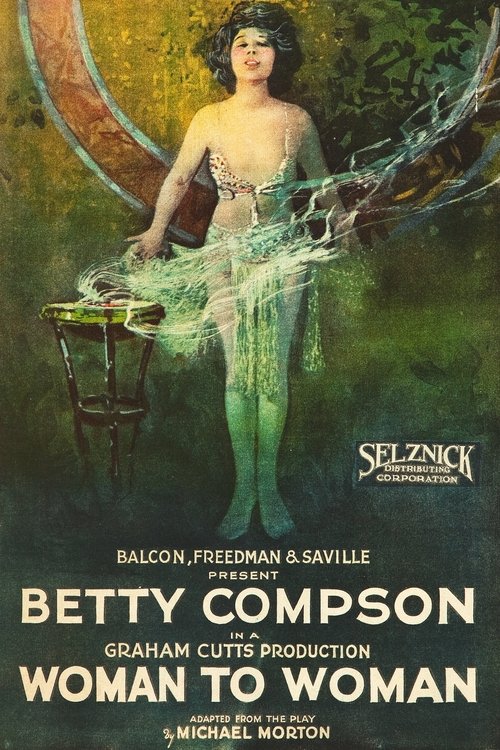
Woman to Woman
1923
No user ratings available yet
Diversity score: 2.8 out of 10
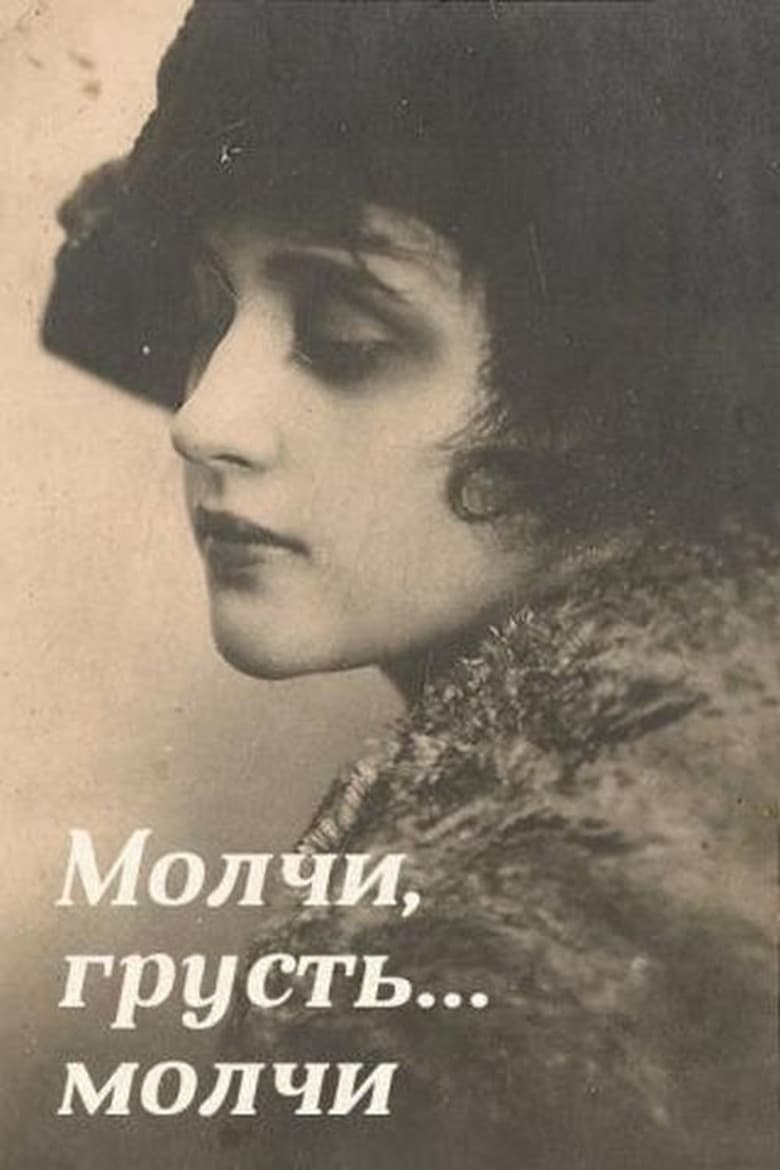
1918
Director
Pyotr Chardynin, Cheslav Sabinsky, Vyacheslav Viskovsky
Runtime
45 minutes
Average Rating
No ratings yetSynopsis
Paula is a circus performer married to the alcoholic clown-acrobat Lorio. Lorio's heavy drinking leads to him being severely injured during a performance. This forces Paula and the now-crippled Lorio to become street musicians. This film formerly ran to 81 minutes – regrettably, the second half is considered lost.
Overall Score
Fair
Category Breakdown
LGBTQ+ Representation
The narrative centers on a heterosexual marriage between Paula and Lorio. There is no evidence of non-cisnormative identities or critiques of heteronormativity within the plot.
Gender Representation
Paula demonstrates resilience and agency by transitioning from a performer to a provider. While the story remains tethered to the male protagonist's tragedy, her survivalist competence challenges passive female roles.
Racial & Ethnic Diversity
The film focuses on the social class of circus performers within its Russian context. There is no evidence of diverse casting or the subversion of ethnic hierarchies.
Religious & Cultural Diversity
The film explores systemic hardship and human dysfunction through the lens of alcoholism and loss of status. It aligns with early 20th-century cinematic shifts toward realism.
Disability Representation
Lorio’s physical disability, caused by occupational trauma, serves as a central plot catalyst. The portrayal integrates his condition into the characters' survival strategies and social identity.
Strengths
Areas for Improvement
AI Analysis
The film functions as a period drama centered on class instability and physical vulnerability. It avoids the typical glamour of the circus to focus on the gritty realities of economic displacement. While the work lacks modern intersectional markers regarding race or gender identity, it provides a realistic depiction of professional breakdown. The narrative architecture effectively uses disability to drive the character arc. Ultimately, the film remains within the conventional dramatic frameworks of 1918, prioritizing social realism over diverse representation.
1923
1927
1928
1923
1935
1946
1924
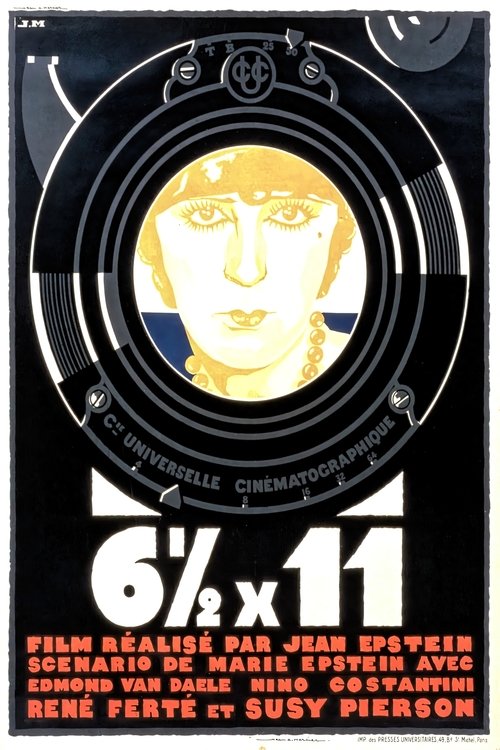
1927
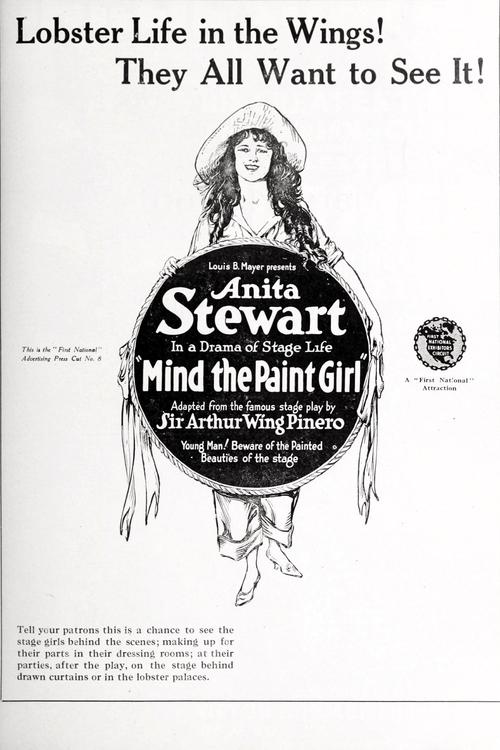
1919
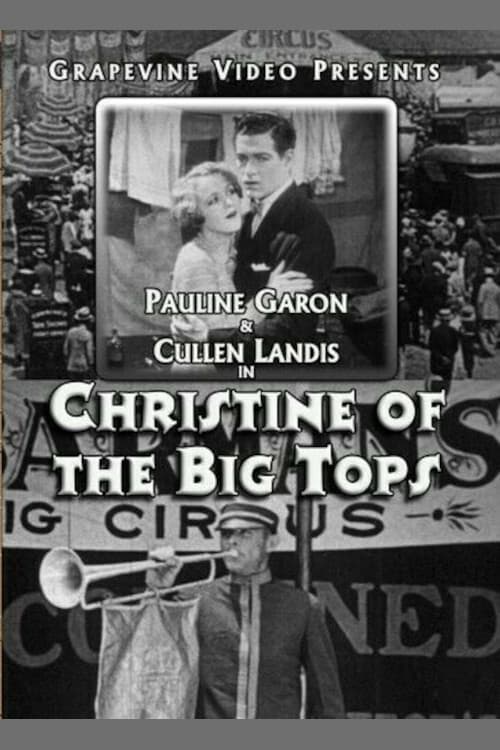
1926
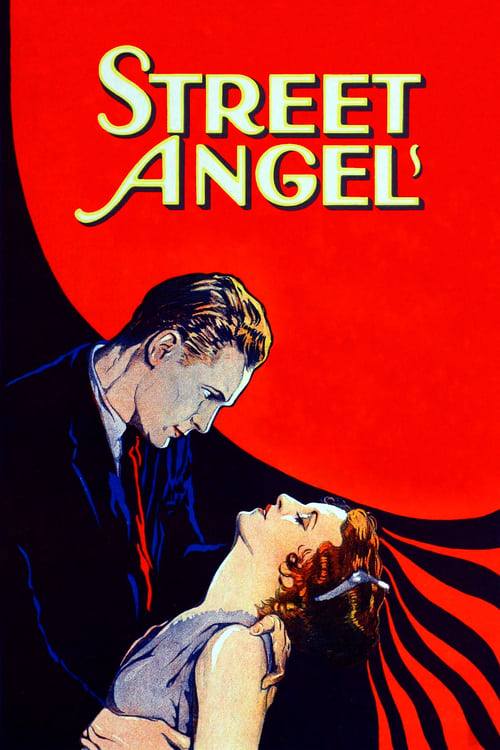
1928
1931
No reviews yet. Be the first to share your thoughts on this movie!
Use the rating form above to leave a star rating and optional review.