
7th Heaven
1927
No user ratings available yet
Diversity score: 2.8 out of 10

1937
Director
Henry King
Runtime
102 minutes
Average Rating
No ratings yetSynopsis
A Parisian sewer worker longs for a rise in status and a beautiful wife. He rescues a girl from the police, lives with her in a barren flat on the seventh floor, and then marches away to war.
Overall Score
Limited
Category Breakdown
LGBTQ+ Representation
The film focuses entirely on a heteronormative romantic arc. There is no presence of queer subtext or non-cisnormative identities.
Gender Representation
Gender roles follow traditional hierarchies where the male protagonist acts as the protector. The female lead is defined by emotional and physical vulnerability.
Racial & Ethnic Diversity
The cast is a homogeneous European group reflecting the Montmartre setting. No non-white characters appear within the primary narrative arc.
Religious & Cultural Diversity
The story celebrates traditional morality and the sanctity of domestic life. It treats working-class status with sentimentalism rather than systemic critique.
Disability Representation
Physical frailty drives much of the plot through the 'fragile heroine' trope. The film frames this condition through romantic and spiritual devotion.
Strengths
Areas for Improvement
AI Analysis
Seventh Heaven is a quintessential romantic melodrama that reinforces the social and moral architectures of the 1930s. It prioritizes sentimentalism and traditional idealism over any systemic critique of class or gender. The film operates within strict binaries, focusing on a protector/protected dynamic between the leads. While it offers character depth through spiritual themes, it lacks intersectional complexity. Ultimately, the production functions as a reinforcement of the era's cultural hierarchies, offering a narrow view of the human experience centered on conventional romantic devotion.
1927

1937

1923

1930

1928
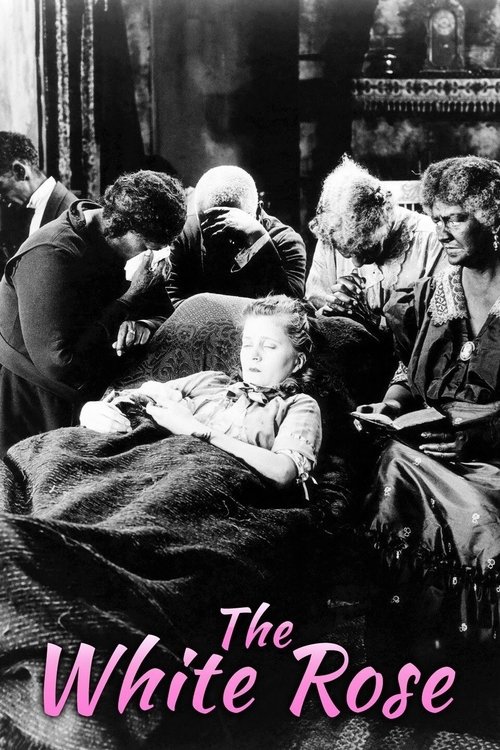
1923

1938

1932

1929

1933

1921

1941
No reviews yet. Be the first to share your thoughts on this movie!
Use the rating form above to leave a star rating and optional review.