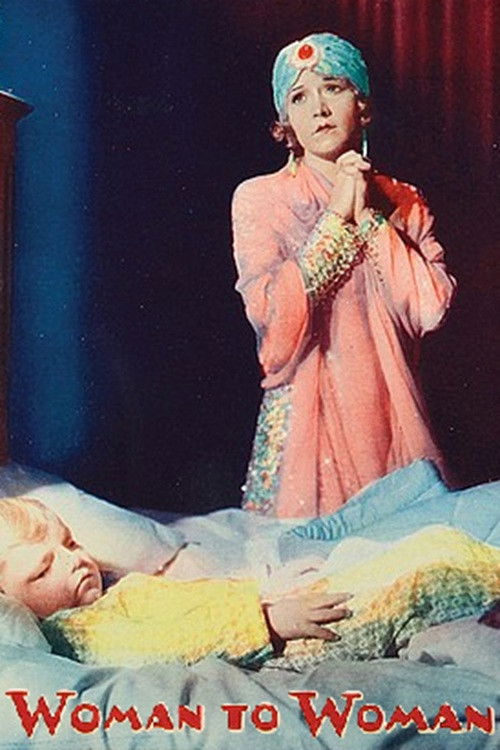
Woman to Woman
1929
No user ratings available yet
Representation score: 2.9 out of 10
Representation Score
Limited
1928
Director
Victor Sjöström
Runtime
80 minutes
Average Rating
No ratings yetNew Showbiz Analysis
The film occupies a transitional space in silent cinema by incorporating an Indian landscape and local cast members. While it includes localized authenticity, the production remains tied to traditional narrative structures and romantic clichés of the late 1920s. The use of an Indian setting suggests a degree of cultural inclusion, but this is often overshadowed by a Western perspective that exoticizes Eastern spirituality. The narrative prioritizes individual devotion and romantic melodrama over subversive social commentary. Overall, the film reflects the era's traditionalist tendencies. It balances moderate gender ability to act with a post-colonial framework that leans more towards exoticism than deep, multi-layered representation.
Category Breakdown
The surviving fragments show no presence of LGBTQ+ identities. The narrative focuses solely on the romantic tension between the central heterosexual characters.
The female lead serves as the story's emotional anchor, showing moderate influence over events. The plot emphasizes personal romantic devotion over traditional masculine roles.
An Indian setting and local cast members ground the film in its cultural context. However, the production risks using Eastern spirituality as an exoticized backdrop for Western melodrama.
The film explores themes of religious devotion and sacrifice through a melodramatic lens. It operates within established moral paradigms without offering a critical perspective.
There is no evidence regarding the portrayal of physical or neurodivergent disabilities in the surviving fragments or historical records.
Present on Screen
Limited or Absent
Official Synopsis
[For 9 minute surviving fragment] Lucian, a soldier in Paris, is to ship out for Algiers at 9 that evening. He stops by for a last meal with his love, Marianne. He may be worried that when he leaves she will find another soldier to love. They argue then embrace and, when the clock strikes midnight, he is still in her arms. Is desertion in the cards? Can the relationship survive the military demands and a soldier's obligations? A lost film.
1929
1927
1929

1935
1926
1957
1929

1971
No reviews yet. Be the first to share your thoughts on this movie!
Use the rating form above to leave a star rating and optional review.