Ecstasy
1933
No user ratings available yet
Representation score: 3.0 out of 10
Representation Score
Minimal
1926
NRDirector
Clarence Brown
Runtime
112 minutes
Average Rating
No ratings yetNew Showbiz Analysis
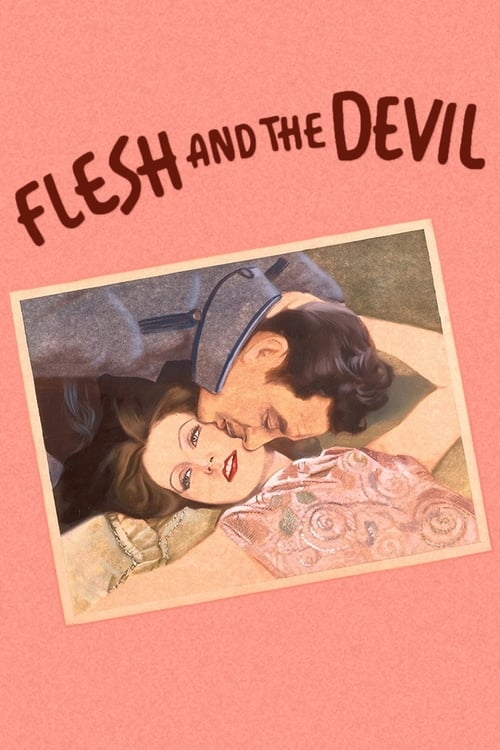
Flesh and the Devil is a classic 1920s melodrama that focuses on star-driven passion rather than broad social issues. While it excels in providing psychological complexity to the female protagonist, it remains confined within traditional social structures. The film's strength lies in its deep exploration of gender dynamics, but it falls short in offering meaningful representation of racial, cultural, or LGBTQ+ diversity. It centers on individual desires within a narrow, conventional framework.
Category Breakdown
The film follows strict assumptions that everyone is straight and cisgender, with no depictions of non-traditional gender identities or same-sex relationships.
Felicitas plays a central role in driving the story, with her internal conflicts and decision-making providing psychological depth.
The cast is primarily white and uniform, reflecting the social constraints of the 1920s without incorporating diverse ethnic backgrounds.
The story adheres to traditional moral binaries and melodramatic conventions, lacking any critique of Western institutions or traditional morality.
No physical or neurodivergent disabilities are shown. Characters are defined mainly by their romantic and moral choices.
Present on Screen
Limited or Absent
Official Synopsis
When lifelong best friends Leo and Ulrich return home after completing their military training, Leo meets the stunning Felicitas at a railway station and is mesmerized by her beauty. A scandal follows, for which Leo is sent away. Returning home three years later, he discovers that much has changed.
1933

1935
1931

1923
1927

1971
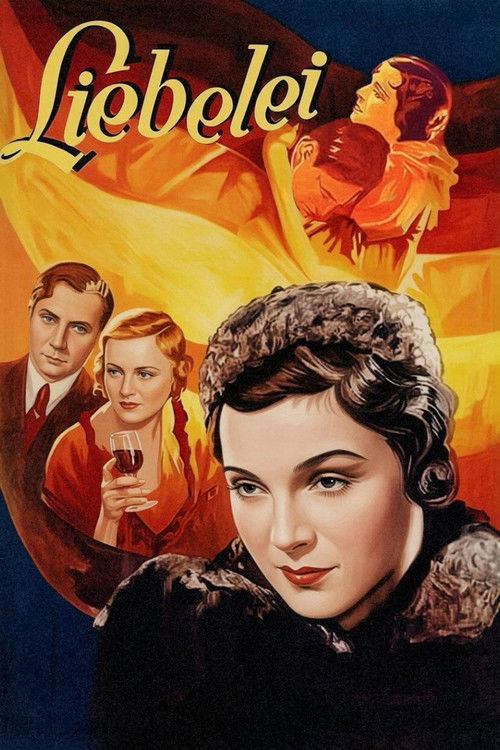
1933
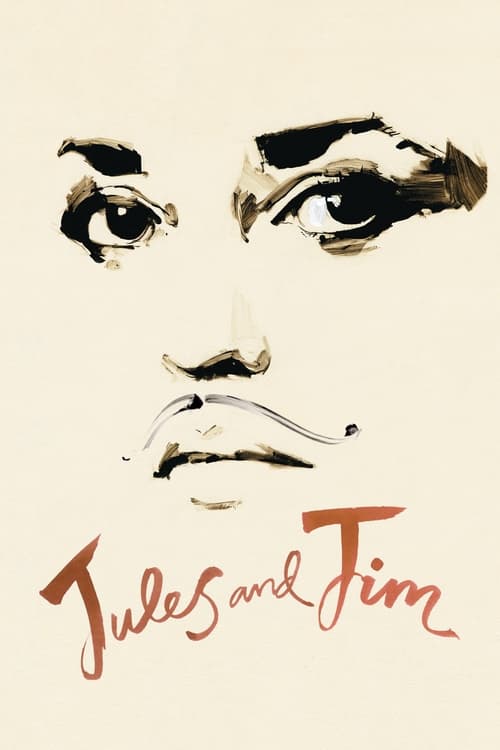
1962
No reviews yet. Be the first to share your thoughts on this movie!
Use the rating form above to leave a star rating and optional review.