
Illicit
1931
No user ratings available yet
Representation score: 2.8 out of 10
Representation Score
Fair
1933
PassedDirector
John Cromwell
Runtime
76 minutes
Average Rating
No ratings yetNew Showbiz Analysis
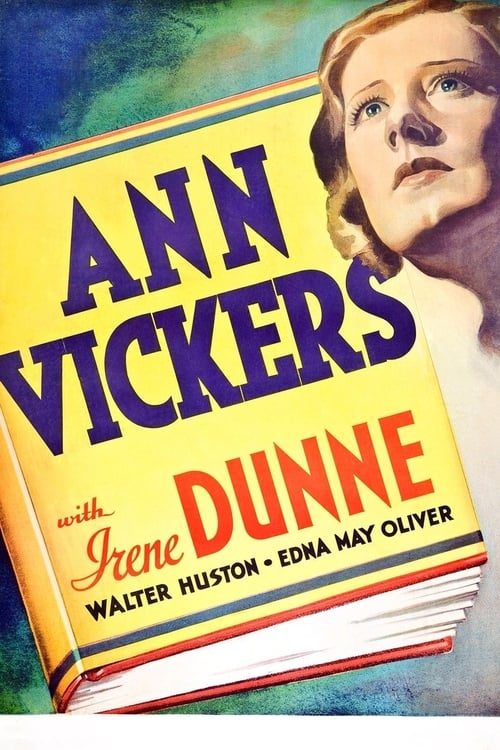
Ann Vickers emerges as a compelling character study of female professional autonomy. By placing a woman at the forefront of systemic change, the film challenges the gender norms of the 1930s and explores complex ethical issues. However, the film remains bound by the social conventions of its time. It offers little visibility for LGBTQ+ identities or diverse racial perspectives, maintaining a largely homogeneous cast. While it effectively critiques institutional corruption, it fails to give meaningful depth to characters with disabilities, portraying them as secondary elements in the setting.
Category Breakdown
The film does not include any representations of LGBTQ+ identities or same-sex relationships. The main romantic storyline revolves around a conventional relationship between the protagonist and a married judge.
Ann Vickers demonstrates significant professional influence in traditionally male-dominated fields such as prison reform. The film challenges the gender norms of the 1930s by focusing on a woman's fight for autonomy against institutional oppression.
The cast is predominantly white, reflecting the era's lack of racial diversity. There are no stories centered around non-Anglo-Saxon perspectives.
The narrative criticizes Western institutions by highlighting corruption in hospital administration and political machines. Traditional power structures are portrayed as potentially harmful or self-serving.
Characters with physical or neurodivergent conditions have minimal ability to act and are not deeply characterized. They serve mainly as background elements within the medical and prison settings.
Present on Screen
Limited or Absent
Official Synopsis
After a love affair ending in an abortion, a young prison reformer submerges herself in her work. She then falls for a controversial and married judge and scandal looms again.
1931
1920
1932
1952

1930
1934
1937
1935
No reviews yet. Be the first to share your thoughts on this movie!
Use the rating form above to leave a star rating and optional review.