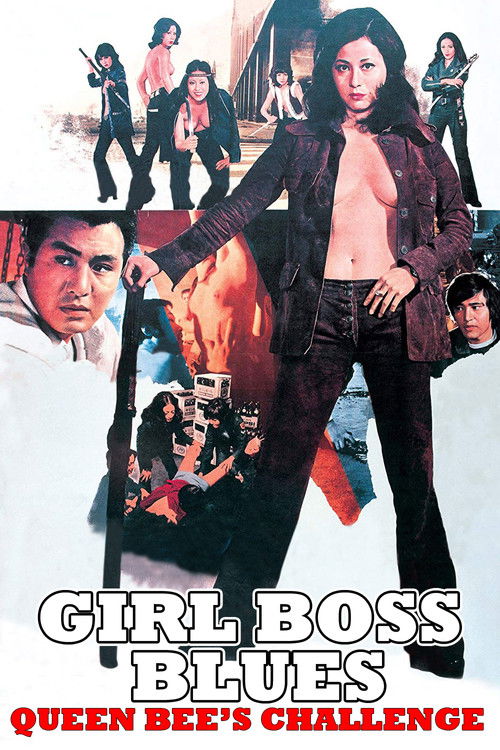
Girl Boss Blues - Queen Bee's Challenge
1972
No user ratings available yet
Representation score: 5.8 out of 10
Representation Score
Good
1971
Director
Kazuhiko Yamaguchi
Runtime
84 minutes
Average Rating
No ratings yetNew Showbiz Analysis
This film stands out as a significant piece of genre cinema that challenges conventional social hierarchies. It shifts from localized tribalism to a broader critique of patriarchal power structures. By placing women as primary leaders and depicting traditional male-led institutions as exploitative, the film disrupts expected social norms. The protagonist’s transgressive aesthetic further reinforces the rejection of traditional norms, making it a notable example of subversive storytelling within the crime genre.
Category Breakdown
The film highlights strong bonds among female characters, emphasizing loyalty and solidarity rather than traditional family structures centered around heterosexual relationships.
Women play key roles in driving the plot and leadership, challenging traditional gender hierarchies. Male characters are portrayed as manipulative, highlighting the critique of systemic male dominance through female unity.
The story focuses mainly on Japanese society but includes elements of Western culture, such as cowboy hats, suggesting a blend of different cultural influences.
The film promotes rebellion against oppressive forces, such as the Yakuza, and rejects traditional social conformity and state-sanctioned morality through themes of anti-authoritarianism.
There is no evidence of characters with visible or invisible disabilities in the narrative.
Present on Screen
Limited or Absent
Official Synopsis
The local yakuza gangs dominating the port of Yokohama do not take well the invasion of their territory by a daring biker gang, led by a girl in black leather outfit and cowboy hat - reminiscent of the earlier war victors. Old and new grudges lead the two girl gangs to clash in several fights. However, when one of the leaders dies, the girls end up by uniting against the male gangsters that had been using them as puppets - and it all ends in a great finale mixed battle by the seashore.
1972
1973
1971
1964
1970
1974
1971
1973
No reviews yet. Be the first to share your thoughts on this movie!
Use the rating form above to leave a star rating and optional review.