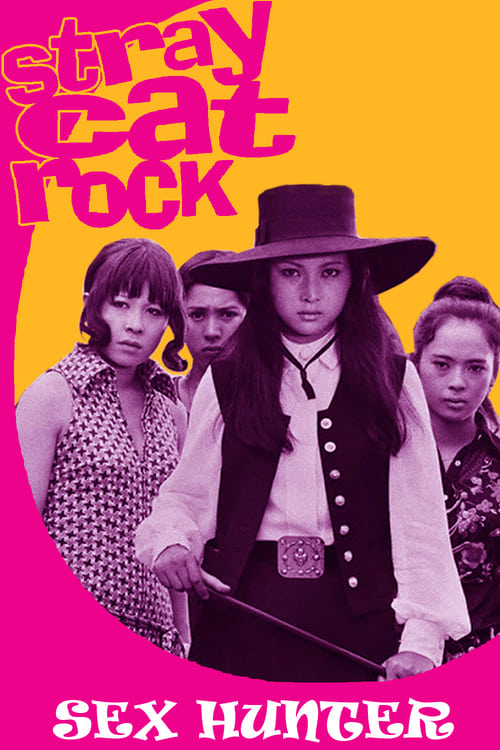
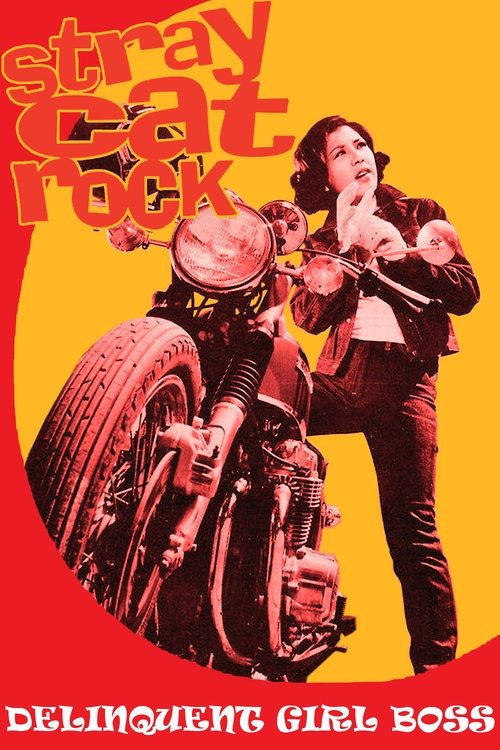
Stray Cat Rock: Sex Hunter
1970
No user ratings available yet
Representation score: 6.4 out of 10
Representation Score
Fair
1970
Not RatedDirector
Yasuharu Hasebe
Runtime
81 minutes
Average Rating
No ratings yetNew Showbiz Analysis
Yasuharu Hasebe’s film is a compelling exploration of youth counterculture, emphasizing rebellion. Its strongest point is the subversion of traditional gender roles, placing women at the forefront of a typically masculine world. While the film effectively dismantles patriarchal structures, it remains culturally limited. Set in a specific Japanese urban context, it lacks broad ethnic diversity and explicit LGBTQ+ representation. Ultimately, the film celebrates those who exist outside mainstream society and capitalism.
Category Breakdown
The film highlights strong female friendships but does not show intimate same-sex relationships or diverse gender identities.
Women play key roles in traditionally male-dominated spaces like biker culture and street fighting, giving them significant influence.
The cast is primarily Japanese, focusing on a specific urban subculture rather than showcasing multiple ethnicities.
The story portrays delinquency as a form of freedom from strict social norms, emphasizing it as a response to rapid modernization.
There is no notable depiction of visible or invisible disabilities in the film.
Present on Screen
Limited or Absent
Official Synopsis
A wandering tough biker girl aids a female delinquent gang in their battles against an all-male Seiyu group over a fixed boxing match.
1970
1972
1974

1964
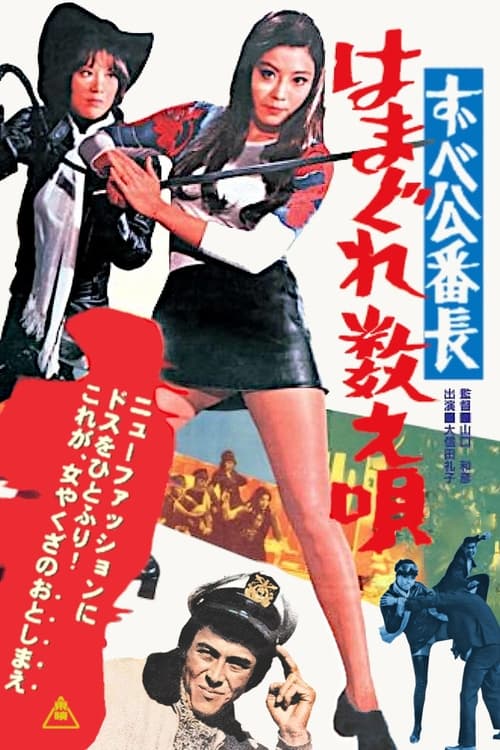
1971
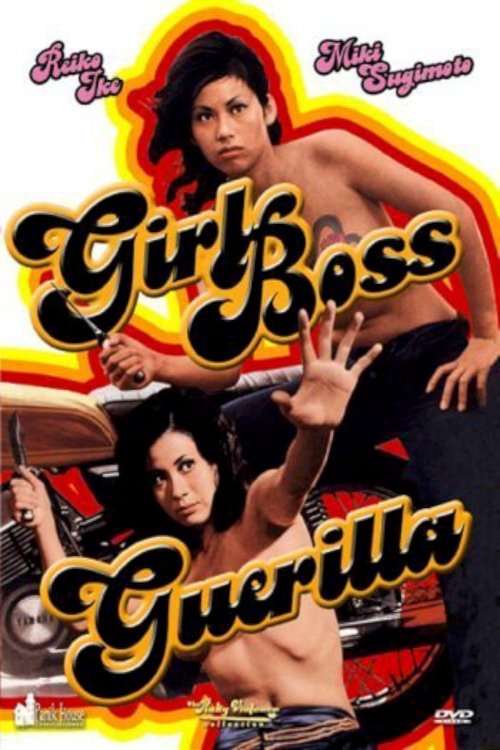
1972
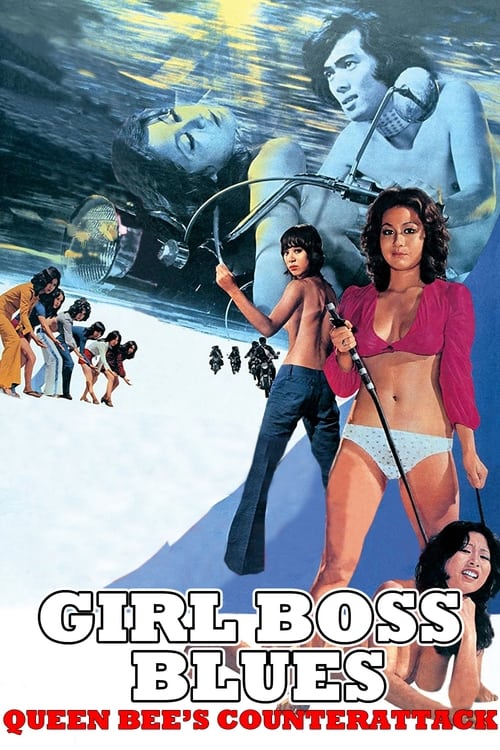
1971
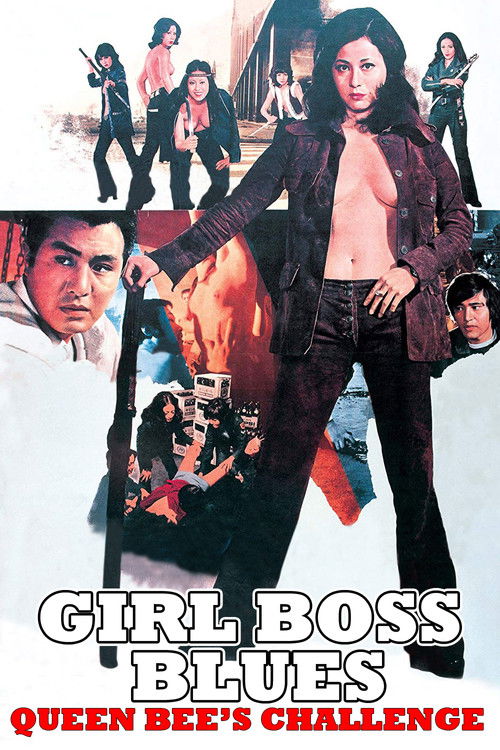
1972
No reviews yet. Be the first to share your thoughts on this movie!
Use the rating form above to leave a star rating and optional review.