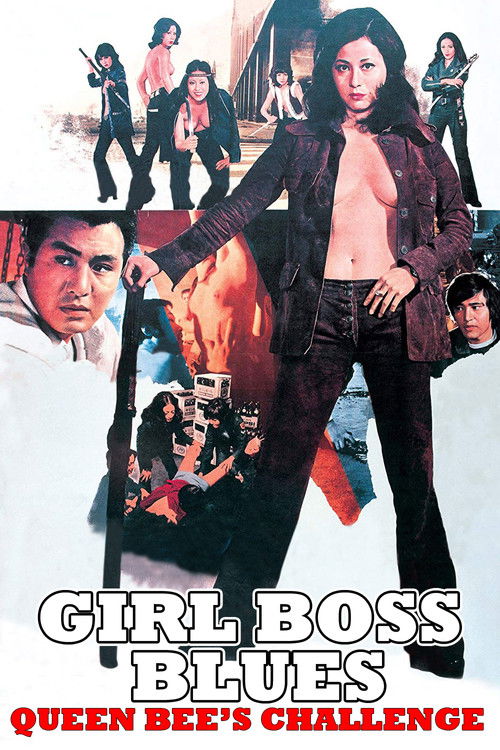
Girl Boss Blues - Queen Bee's Challenge
1972
No user ratings available yet
Representation score: 5.8 out of 10
Representation Score
Fair
1974
Director
Ikuo Sekimoto
Runtime
87 minutes
Average Rating
No ratings yetNew Showbiz Analysis
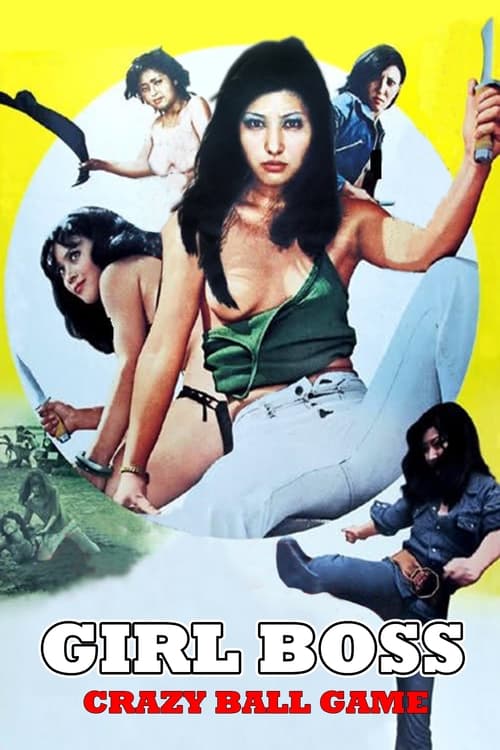
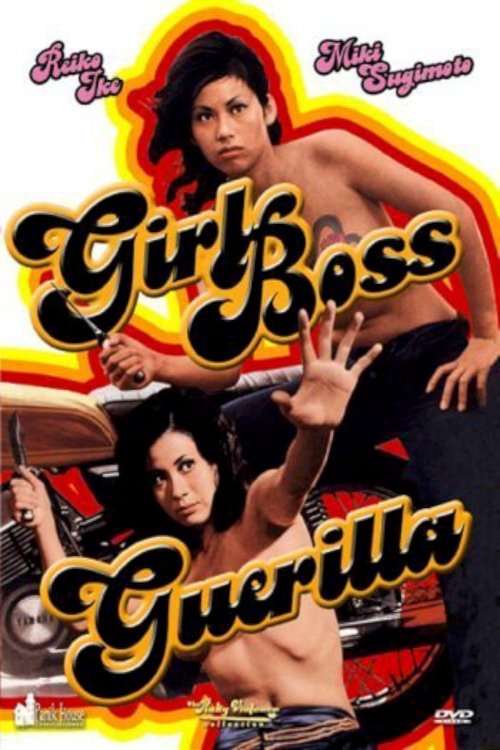
Girl Boss: Crazy Ball Game is a genre piece that successfully challenges traditional gender roles. By putting a female gang at the center of a conflict against the Yakuza, it shifts power away from traditional male figures. However, the film remains culturally localized and lacks broader demographic diversity. The homogeneous cast and absence of explicit LGBTQ+ identities limit its reach in terms of diverse representation. Ultimately, the film explores how underrepresented outsiders challenge systemic authority, even if it does not include broader representation.
Category Breakdown
The film does not explicitly show non-straight relationships. However, the strong bonds between the female characters may hint at a critique of traditional heterosexual norms.
The movie focuses on a group of women who take charge of the story. By doing so, it challenges the usual idea that women are passive in such narratives.
The film features a cast that is culturally uniform, depicting Japanese characters without much diversity. It does not show multi-layered blending of races or cultures outside Japan.
The story presents the main characters as outsiders fighting against established criminal organizations. It questions the stability of institutions by showing reform schools as places of conflict rather than rehabilitation.
There are no characters with visible or invisible disabilities in the film.
Present on Screen
Limited or Absent
Official Synopsis
Released from reform school, the Girl Boss and her girl gang enter into conflict with another girl gang who are allied to the powerful Yakuza Boss.
1972
1975
1976
1972

1975
2017
1975
1972
No reviews yet. Be the first to share your thoughts on this movie!
Use the rating form above to leave a star rating and optional review.