
Girl Boss: Crazy Ball Game
1974
No user ratings available yet
Representation score: 5.2 out of 10
Representation Score
Fair
1972
Director
Norifumi Suzuki
Runtime
84 minutes
Average Rating
No ratings yetNew Showbiz Analysis
This film stands out as a significant genre piece that challenges 1970s cinematic expectations about female roles. It centers on female empowerment and the subversion of traditional hierarchies through the 'Girl Boss' archetype. Despite its cultural homogeneity typical of its time, the narrative structure remains progressive. The emphasis on female solidarity and emotional bonds serves as a critique of systemic exploitation and predatory male power. Overall, the film offers a nuanced exploration of power dynamics by highlighting the resilience of underrepresented women against a corrupt system.
Category Breakdown
The film showcases a strong emotional bond between two rival female leaders who unite despite their competition. Their relationship goes beyond typical rivalry clichés, emphasizing a deep emotional connection.
The story centers on powerful women who lead gangs and have equal strength. They resist passivity and actively confront a predatory Yakuza boss, challenging traditional patriarchal control.
Being a Japanese production from 1972, the cast is ethnically uniform. The storyline focuses on internal social hierarchies without blending racial diversity.
The film portrays the Yakuza as corrupt antagonists, critiquing traditional institutions. It highlights the rebellion of underrepresented female outlaws against established social structures.
There are no characters with visible or invisible disabilities featured as central plot devices or within the narrative.
Present on Screen
Limited or Absent
Official Synopsis
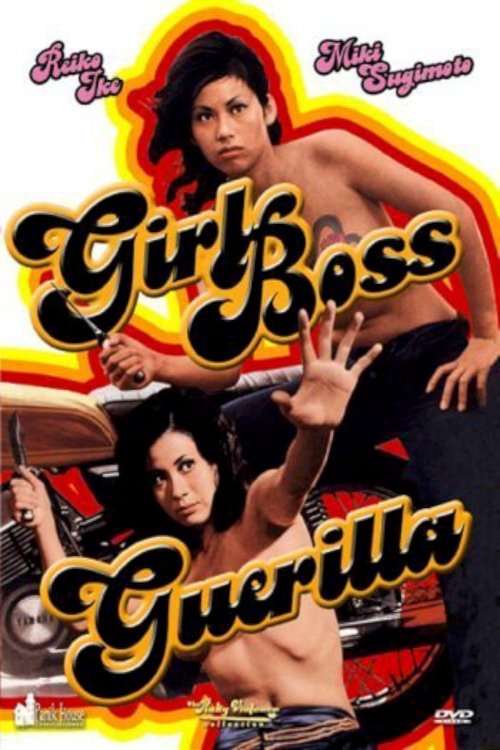
When two Girl Bosses fight each other over territory, their enmity is difficult to solve - they are equals in looks, strength, determination, and power of their respective girl gangs. So, the way is open to a mischievous Yakuza Boss who invites them for a peaceful way to decide their feud: a sexual challenge for him to decide who is the better Girl Boss. Trapped, both are subject to the man's lust and sadistic assaults. They escape by joining forces against the yakuza gang, though it costs one of the young women her life - when she was friends already with her former enemy.
1974

1973

1971
1972
1975
1975

1975
1972
No reviews yet. Be the first to share your thoughts on this movie!
Use the rating form above to leave a star rating and optional review.